rivian ceo wants carplay in other cars Rivian’s CEO has expressed a desire for Apple CarPlay to be available in vehicles beyond Rivian’s own lineup, while simultaneously asserting that the company does not require this feature for its own cars.
rivian ceo wants carplay in other cars
Background on CarPlay and Its Adoption
Apple CarPlay, launched in 2014, has become a standard feature in many modern vehicles, allowing drivers to integrate their iPhones with their car’s infotainment systems. This integration provides access to navigation, music, messaging, and other applications directly from the car’s display. The convenience and functionality of CarPlay have made it a popular choice among consumers, leading to its adoption by numerous automakers.
Despite its widespread availability, some high-profile manufacturers, including Tesla and Rivian, have opted not to include CarPlay in their vehicles. This decision has sparked discussions about the implications of such a stance, particularly as consumer expectations evolve in the age of smart technology.
Rivian’s Position on CarPlay
In a recent interview, Rivian CEO RJ Scaringe addressed the ongoing debate surrounding the absence of CarPlay in Rivian vehicles. He acknowledged the criticism the company has faced for not offering this feature, especially as competitors begin to embrace it. However, Scaringe emphasized that Rivian’s approach to in-car technology is fundamentally different from that of traditional automakers.
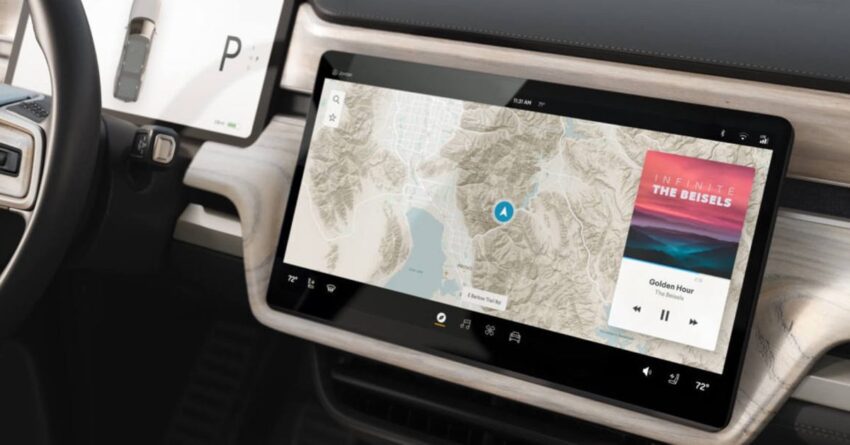
“We believe in creating a unique experience for our customers,” Scaringe stated. “Our vehicles are designed with a focus on adventure and sustainability, and we want our technology to reflect that ethos.” This philosophy underpins Rivian’s decision to develop its own proprietary infotainment system, which integrates various features tailored to the needs of outdoor enthusiasts and electric vehicle (EV) users.
Consumer Expectations and Market Trends
The automotive landscape is rapidly changing, with consumers increasingly expecting seamless integration between their personal devices and their vehicles. As technology advances, drivers are looking for features that enhance their driving experience, and CarPlay has become synonymous with that expectation. The growing popularity of CarPlay has led many automakers to prioritize its inclusion in their vehicles, recognizing it as a selling point for tech-savvy consumers.
As Rivian positions itself as a leader in the electric vehicle market, it faces the challenge of balancing innovation with consumer expectations. While the company has garnered significant attention for its electric trucks and SUVs, the absence of CarPlay could potentially deter some customers who prioritize this feature. Scaringe’s comments suggest that Rivian is aware of this dynamic but remains committed to its vision of a unique user experience.
Implications of Rivian’s Stance
Rivian’s decision to forgo CarPlay raises several implications for the company and the broader automotive industry. Firstly, it highlights the ongoing tension between traditional automotive practices and the evolving expectations of consumers in the digital age. As more manufacturers adopt advanced infotainment systems, Rivian’s choice to develop its own platform may either set it apart as an innovator or isolate it from a significant portion of the market.
Moreover, Rivian’s approach could influence how other automakers view the integration of third-party applications in their vehicles. If Rivian’s proprietary system proves successful, it may encourage other manufacturers to explore similar paths, potentially leading to a fragmentation of in-car technology. Conversely, if consumers continue to demand CarPlay and similar features, Rivian may find itself at a competitive disadvantage.
Stakeholder Reactions
The automotive industry is closely watching Rivian’s moves, and reactions from stakeholders have been mixed. Some industry experts commend Rivian for its commitment to creating a distinct user experience, arguing that this approach aligns with the brand’s adventurous image. Others, however, express concern that the lack of CarPlay could alienate potential customers who prioritize connectivity and convenience.
Consumers have also voiced their opinions on social media and automotive forums. Many users appreciate Rivian’s focus on sustainability and adventure but express disappointment over the absence of CarPlay. This feedback underscores the importance of understanding consumer preferences in a rapidly evolving market.
Future Considerations for Rivian
As Rivian continues to navigate the complexities of the automotive market, several factors will play a crucial role in shaping its future. The company must evaluate its technology strategy to ensure it aligns with consumer expectations while maintaining its unique brand identity.
One potential avenue for Rivian is to explore partnerships with technology companies to enhance its infotainment system. Collaborating with established tech firms could provide Rivian with the expertise needed to develop a more robust platform while still differentiating itself from competitors. Such partnerships could also facilitate the integration of popular applications, including CarPlay, without compromising Rivian’s vision.
Market Competition and the Role of Technology
The competition in the electric vehicle market is intensifying, with established automakers and new entrants alike vying for consumer attention. Rivian’s unique offerings, such as its R1T electric truck and R1S SUV, have garnered significant interest, but the company must remain vigilant in adapting to market demands.
As Tesla reportedly considers adding CarPlay support, Rivian may need to reassess its position. The potential shift in Tesla’s strategy could influence consumer perceptions and expectations, prompting Rivian to either maintain its current course or adapt to remain competitive.
Conclusion
Rivian’s CEO RJ Scaringe has articulated a clear vision for the company’s approach to in-car technology, emphasizing the importance of creating a unique experience for customers. While Rivian’s decision to forgo CarPlay may resonate with its brand identity, it also presents challenges in a market where consumer expectations are rapidly evolving.
As Rivian continues to carve its niche in the electric vehicle landscape, the company must remain attuned to consumer feedback and market trends. The balance between innovation and consumer demand will be critical in determining Rivian’s long-term success. Whether the company will eventually embrace CarPlay or continue to develop its proprietary system remains to be seen, but the conversation around in-car technology is far from over.
Source: Original report
Was this helpful?
Explore more: More Consumer Technology Tech News Blog
Last Modified: December 16, 2025 at 8:44 pm
28 views