rivian ceo touts great working relationship with Rivian’s CEO RJ Scaringe has reaffirmed the company’s commitment to developing a proprietary infotainment system, while also highlighting a positive relationship with Apple, despite Rivian’s decision not to support CarPlay.
rivian ceo touts great working relationship with
Rivian’s Stance on CarPlay
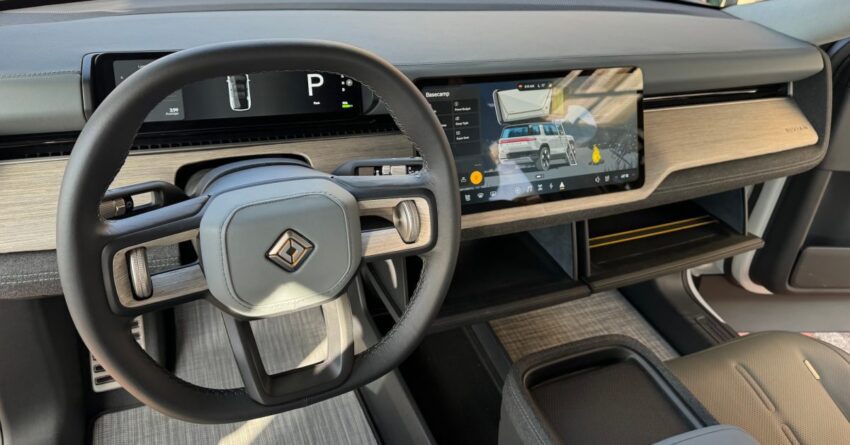
Rivian, the electric vehicle manufacturer known for its innovative approach to automotive technology, has made headlines for its firm stance against integrating Apple’s CarPlay into its vehicles. This decision aligns with the company’s broader strategy to cultivate a unique and fully integrated infotainment experience for its users. Scaringe has consistently articulated this vision, emphasizing the importance of a native system that can seamlessly interact with the vehicle’s hardware and software.
In a recent interview with Kara Swisher, Scaringe reiterated Rivian’s commitment to this approach. He noted that while many automakers have opted to incorporate CarPlay, Rivian believes that a proprietary system allows for greater flexibility and control over the user experience. “We want to create a platform that is not only functional but also deeply integrated into the vehicle’s ecosystem,” Scaringe explained. This philosophy reflects Rivian’s ambition to differentiate itself in a crowded market, where many competitors are adopting similar technologies.
The Importance of a Native Infotainment System
Rivian’s decision to forgo CarPlay is rooted in the belief that a native infotainment system can provide a more cohesive user experience. By developing its own software, Rivian aims to ensure that all features—from navigation to entertainment—are optimized for its vehicles. This integration can lead to faster response times, improved reliability, and a more intuitive interface tailored specifically for the driver and passengers.
Scaringe pointed out that a native system allows for deeper integration with the vehicle’s hardware, enabling features such as advanced driver-assistance systems (ADAS) and over-the-air updates. “When you control the entire stack, you can innovate more rapidly and respond to customer feedback more effectively,” he stated. This approach has the potential to enhance the overall driving experience, making it more enjoyable and user-friendly.
Market Trends and Consumer Preferences
The automotive industry is witnessing a significant shift towards digitalization, with consumers increasingly expecting advanced technology in their vehicles. Infotainment systems have become a critical component of this trend, with many drivers relying on them for navigation, entertainment, and connectivity. As a result, automakers are faced with the challenge of balancing the integration of popular third-party applications like CarPlay with the desire to offer a unique brand experience.
Rivian’s decision to develop its own system comes at a time when many manufacturers are adopting CarPlay as a standard feature. According to recent surveys, a significant percentage of consumers express a preference for vehicles that support CarPlay, citing its user-friendly interface and seamless integration with their iPhones. However, Rivian appears undeterred by these trends, believing that its proprietary system will ultimately resonate more with its target audience.
Building Relationships with Tech Giants
Despite Rivian’s decision not to support CarPlay, Scaringe emphasized the company’s positive relationship with Apple. He described the collaboration as a “great working relationship,” indicating that Rivian values the partnership and the potential for future collaboration. This relationship is particularly noteworthy given the competitive nature of the automotive and technology sectors.
Scaringe’s comments suggest that Rivian is not entirely closing the door on future integrations with Apple. While CarPlay may not be part of Rivian’s current strategy, the company recognizes the importance of maintaining strong ties with tech giants. This could open doors for future collaborations that may benefit both parties.
Implications for Rivian’s Future
Rivian’s approach to infotainment and its relationship with Apple could have significant implications for the company’s future. As the automotive landscape continues to evolve, the ability to adapt and innovate will be crucial for success. By focusing on a proprietary system, Rivian may position itself as a leader in the electric vehicle market, appealing to consumers who prioritize a unique and integrated driving experience.
However, the decision to forgo CarPlay also carries risks. Rivian may alienate potential customers who prefer the familiarity and convenience of Apple’s ecosystem. As competition intensifies, the company will need to ensure that its native system meets or exceeds the capabilities of established platforms like CarPlay to attract and retain users.
Stakeholder Reactions
The automotive industry is closely watching Rivian’s strategy, with various stakeholders expressing differing opinions on the company’s decision. Some industry analysts commend Rivian for its bold approach, arguing that a proprietary system can lead to greater innovation and differentiation. Others, however, caution that the lack of CarPlay support could hinder Rivian’s ability to compete in a market where consumer preferences are heavily influenced by technology.
Consumer feedback will also play a critical role in shaping Rivian’s future. As the company continues to roll out its vehicles, customer responses to the infotainment system will be closely monitored. Positive reviews could validate Rivian’s strategy, while negative feedback may prompt a reevaluation of its approach.
Looking Ahead
As Rivian navigates the complexities of the automotive landscape, its decisions regarding infotainment and technology partnerships will be pivotal. The company’s commitment to a native system reflects a broader trend in the industry, where automakers are increasingly seeking to establish their own digital ecosystems. This approach may offer advantages in terms of innovation and user experience, but it also requires careful consideration of consumer preferences and market dynamics.
In the coming years, Rivian will need to demonstrate that its proprietary infotainment system can compete with established platforms like CarPlay. Success in this area could solidify Rivian’s position as a leader in the electric vehicle market, while failure to meet consumer expectations could pose challenges for the company’s growth.
Conclusion
Rivian’s decision to forgo CarPlay in favor of a proprietary infotainment system underscores the company’s commitment to innovation and differentiation in the electric vehicle market. While the lack of CarPlay support may raise questions among consumers, CEO RJ Scaringe’s emphasis on a strong working relationship with Apple suggests that Rivian is open to future collaborations. As the automotive landscape continues to evolve, Rivian’s ability to adapt and innovate will be crucial for its long-term success.
Source: Original report
Was this helpful?
Last Modified: January 30, 2026 at 6:41 pm
0 views