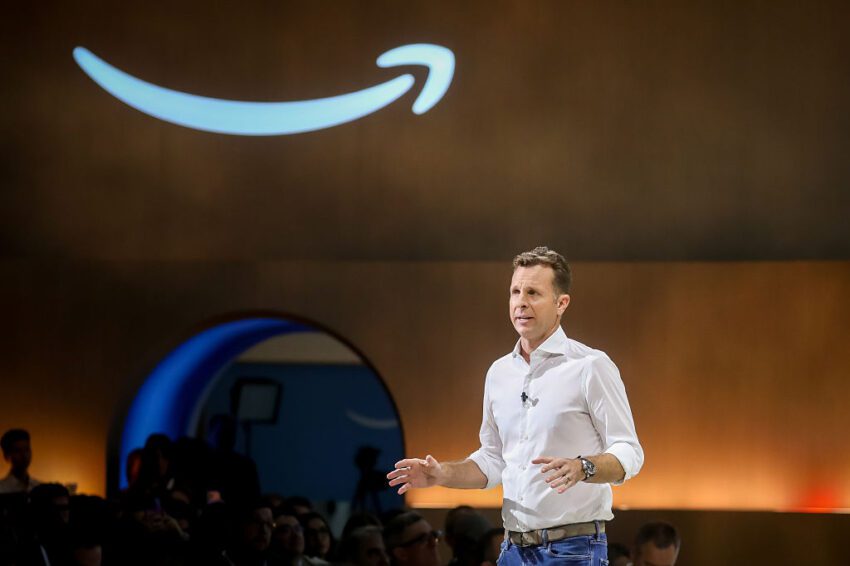
ring founder details the camera company s Ring, the Amazon-owned video doorbell maker, is embarking on a transformative journey as it pivots towards becoming an “intelligent assistant” powered by artificial intelligence (AI).
ring founder details the camera company s
The Evolution of Ring
Founded in 2013, Ring initially gained prominence for its innovative video doorbell, which allowed homeowners to monitor their front doors remotely via smartphone applications. The product quickly became synonymous with home security, offering features such as motion detection, two-way audio, and night vision capabilities. In 2018, Amazon acquired Ring for an estimated $1 billion, further integrating the company into its expanding ecosystem of smart home devices.
Since its inception, Ring has continuously evolved, adding new features and products to its lineup, including security cameras, alarm systems, and smart lighting. However, the latest strategic shift towards becoming an intelligent assistant marks a significant departure from its original focus on security alone. This transition reflects broader trends in the tech industry, where companies are increasingly leveraging AI to enhance user experience and functionality.
The Role of AI in Ring’s Future
AI is at the core of Ring’s new vision. The company aims to integrate advanced machine learning algorithms into its devices, enabling them to learn from user behavior and adapt to individual preferences. This shift is not merely about enhancing security features; it is about creating a comprehensive ecosystem that anticipates user needs and provides proactive assistance.
Intelligent Features
One of the most significant advancements Ring is pursuing involves the development of intelligent features that go beyond traditional security measures. For instance, the company is exploring capabilities such as:
- Facial Recognition: By implementing facial recognition technology, Ring devices could identify familiar faces and alert homeowners to unknown visitors.
- Smart Notifications: AI-driven notifications could prioritize alerts based on user preferences, reducing unnecessary disturbances.
- Home Automation: Integration with other smart home devices could allow Ring to act as a central hub, coordinating actions based on user-defined scenarios.
These features not only enhance security but also create a more seamless and intuitive user experience. By understanding user habits and preferences, Ring’s devices could provide tailored assistance, making them more valuable to consumers.
Implications for Home Security
The shift towards an intelligent assistant model raises important questions about the future of home security. As Ring incorporates AI into its products, it could redefine what consumers expect from their security systems. Traditional security measures, such as alarms and cameras, may evolve into more proactive solutions that anticipate threats before they occur.
Moreover, the integration of AI could lead to a decrease in false alarms, a common issue with conventional security systems. By accurately distinguishing between genuine threats and benign activities, Ring’s intelligent assistant could enhance overall security effectiveness while improving user satisfaction.
Stakeholder Reactions
As Ring embarks on this ambitious journey, reactions from various stakeholders have been mixed. Consumers, industry experts, and privacy advocates have all weighed in on the implications of this shift.
Consumer Perspective
Many consumers have expressed enthusiasm about the potential benefits of an intelligent assistant. The idea of a home security system that not only monitors but also learns and adapts to their needs is appealing. However, there are concerns regarding privacy and data security. As Ring collects more data to improve its AI capabilities, users are increasingly wary of how their information will be used and stored.
Some consumers have voiced apprehension about the potential for misuse of facial recognition technology, fearing that it could lead to unwarranted surveillance or data breaches. Ring has acknowledged these concerns and has committed to implementing robust security measures to protect user data.
Industry Experts
Industry experts have largely welcomed Ring’s pivot towards AI. They argue that the integration of intelligent features is essential for staying competitive in a rapidly evolving market. Companies like Google Nest and Arlo are also investing heavily in AI technologies, making it imperative for Ring to innovate.
Experts believe that Ring’s focus on creating an intelligent assistant could set a new standard in the home security industry. By prioritizing user experience and leveraging AI, Ring may not only enhance its product offerings but also redefine consumer expectations for smart home devices.
Privacy Advocates
Privacy advocates have raised significant concerns about the implications of AI in home security. They argue that the increased use of facial recognition and data collection could lead to a surveillance state, where individuals are constantly monitored. Critics emphasize the need for stringent regulations to govern the use of AI technologies, particularly in consumer products.
In response to these concerns, Ring has stated its commitment to transparency and user control. The company has pledged to provide users with clear information about data collection practices and to offer options for opting out of certain features. However, the effectiveness of these measures remains to be seen.
Competitive Landscape
As Ring transitions towards becoming an intelligent assistant, it faces stiff competition from other players in the smart home and security markets. Companies such as Google, Apple, and Samsung are also investing heavily in AI technologies, making the landscape increasingly competitive.
Google Nest
Google Nest has been at the forefront of smart home innovation, leveraging AI to enhance its product offerings. The Google Nest Hub, for instance, uses AI to provide personalized recommendations and control connected devices. Ring will need to differentiate itself in this crowded market by offering unique features and superior user experiences.
Apple HomeKit
Apple’s HomeKit platform emphasizes privacy and security, appealing to consumers who prioritize data protection. As Ring integrates AI into its products, it will need to strike a balance between providing intelligent features and maintaining user trust regarding data security.
Samsung SmartThings
Samsung’s SmartThings platform also competes in the smart home space, offering a range of devices that integrate seamlessly with its ecosystem. Ring’s challenge will be to create a cohesive experience that rivals these established players while maintaining its identity as a security-focused brand.
Future Prospects
The future of Ring as an intelligent assistant is promising but fraught with challenges. The successful integration of AI technologies will depend on several factors, including consumer acceptance, regulatory compliance, and competitive positioning.
As Ring continues to innovate, it will need to focus on building trust with consumers by prioritizing data security and privacy. Transparent communication about how user data is collected and used will be crucial in alleviating concerns and fostering loyalty.
Moreover, the company must remain agile in responding to market trends and consumer demands. The landscape of smart home technology is continually evolving, and Ring’s ability to adapt will be key to its long-term success.
Conclusion
Ring’s transition towards becoming an intelligent assistant represents a significant evolution in the company’s mission and product offerings. By leveraging AI technologies, Ring aims to create a more proactive and personalized home security experience for consumers. However, this shift also raises important questions about privacy, data security, and the future of home monitoring. As the company navigates these challenges, its commitment to innovation and user trust will be paramount in shaping its next chapter.
Source: Original report
Was this helpful?
Explore more: More Hardware & Devices Tech News Blog
Last Modified: January 14, 2026 at 4:52 am
12 views