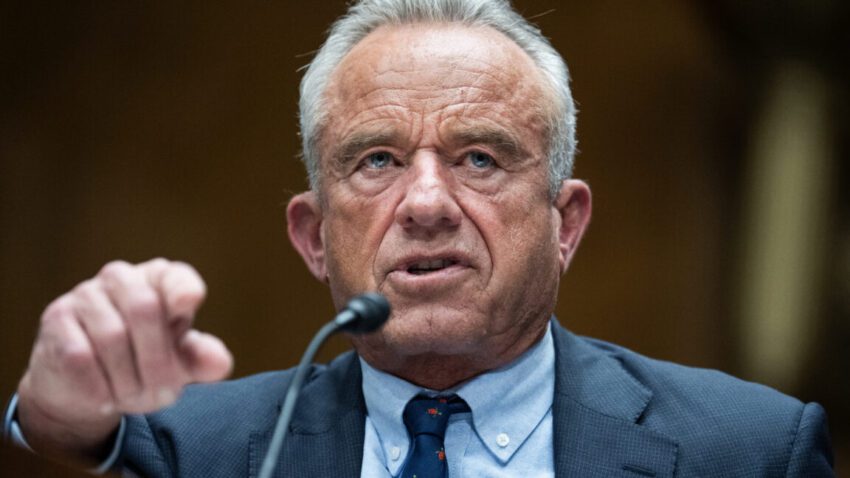
rfk jr s rejection of germ theory In a significant Congressional hearing, Senator Bernie Sanders confronted Robert F. Kennedy Jr. regarding his controversial rejection of germ theory, a foundational principle in modern medicine.
rfk jr s rejection of germ theory
Context of the Hearing
The Senate Committee on Health, Education, Labor, and Pensions convened on Wednesday, where discussions centered around public health, vaccination, and misinformation. This particular hearing gained attention not only for its focus on health policy but also for the high-profile confrontation between Sanders and Kennedy, who is known for his anti-vaccine activism. The exchange highlighted the ongoing battle over scientific understanding in public discourse, especially in the context of the COVID-19 pandemic and vaccine hesitancy.
Germ Theory: A Cornerstone of Modern Medicine
Germ theory posits that specific diseases are caused by specific microorganisms, including bacteria, viruses, fungi, and parasites. This theory revolutionized medicine in the late 19th century, leading to significant advancements in hygiene, vaccination, and antibiotic treatments. The foundational work of scientists such as Louis Pasteur and Robert Koch established the link between pathogens and diseases, fundamentally changing how illnesses are treated and prevented.
Despite its acceptance in the scientific community, germ theory has faced challenges from various fringe theories, including terrain theory, which posits that diseases arise from imbalances in the body’s internal environment rather than from external pathogens. This perspective has largely been discredited within the scientific community, yet it continues to find a following among certain groups, including some anti-vaccine advocates.
Kennedy’s Position and Arguments
Robert F. Kennedy Jr. has gained notoriety for his vocal opposition to vaccines and his promotion of various conspiracy theories related to public health. His rejection of germ theory is particularly striking given its established scientific basis. During the hearing, Kennedy defended his stance, arguing that germ theory serves as a tool for pharmaceutical companies and medical professionals to promote the use of modern medicines.
Terrain Theory vs. Germ Theory
In his 2021 book, The Real Anthony Fauci, Kennedy elaborates on his views, suggesting that health issues stem from “imbalances” within the body, which he claims are exacerbated by poor nutrition, environmental toxins, and stressors. This perspective aligns with terrain theory, which has been largely dismissed by the scientific community. Kennedy’s mischaracterization of terrain theory as “miasma theory” further complicates the discourse, as miasma theory—an outdated belief that diseases are caused by “bad air” or vapors—was replaced by germ theory over a century ago.
Senators’ Responses
Senator Bernie Sanders, known for his progressive stance on health care issues, took a firm position against Kennedy’s claims during the hearing. Sanders emphasized the importance of scientific consensus and the overwhelming evidence supporting germ theory. He challenged Kennedy to provide credible scientific backing for his assertions, which Kennedy failed to do.
In a notable moment, Senator Bill Cassidy, a physician and fellow committee member, fact-checked Kennedy’s arguments in real time. Cassidy pointed out the extensive research and clinical evidence that supports germ theory, highlighting the dangers of misinformation in public health discussions. His intervention underscored the need for accountability among public figures who promote unscientific views, especially in a time when vaccine misinformation can have dire consequences for public health.
Implications of Misinformation
The exchange between Sanders, Cassidy, and Kennedy serves as a microcosm of the broader challenges facing public health officials and the scientific community. Misinformation about vaccines and germ theory can lead to decreased vaccination rates, which in turn can result in outbreaks of preventable diseases. The World Health Organization has identified vaccine hesitancy as one of the top ten global health threats, emphasizing the urgent need for accurate information dissemination.
Moreover, the rise of social media has facilitated the rapid spread of misinformation, making it increasingly difficult for public health advocates to counter false narratives. The prominence of figures like Kennedy, who leverage their platforms to promote unscientific views, poses a significant challenge to efforts aimed at increasing public trust in vaccines and other health interventions.
Stakeholder Reactions
The hearing elicited a range of reactions from various stakeholders, including public health officials, scientists, and the general public. Many health experts praised Sanders and Cassidy for their efforts to confront misinformation directly. Dr. Anthony Fauci, the former director of the National Institute of Allergy and Infectious Diseases, expressed concern over the potential impact of Kennedy’s views on public health, stating that “misinformation can kill.” Fauci’s remarks highlight the real-world consequences of rejecting established scientific principles.
Conversely, Kennedy’s supporters argue that he is a champion of individual rights and informed consent, framing his rejection of germ theory as a critique of the pharmaceutical industry and government overreach. This narrative resonates with a segment of the population that is skeptical of mainstream medicine and governmental authority, complicating the public health messaging landscape.
Historical Context of Vaccine Hesitancy
The current climate of vaccine hesitancy is not new; it has historical roots that can be traced back to the introduction of vaccines in the 18th century. Early opposition to vaccination often stemmed from fears about safety and efficacy, as well as distrust in medical authorities. Over the years, various movements have emerged, challenging the legitimacy of vaccines and promoting alternative health narratives.
In recent years, the anti-vaccine movement has gained traction, fueled by high-profile figures like Kennedy and the proliferation of social media. This resurgence has led to significant public health challenges, including the re-emergence of diseases like measles, which had been largely eradicated in many parts of the world.
Conclusion: The Need for Scientific Literacy
The confrontation between Senator Sanders and Robert F. Kennedy Jr. underscores the critical need for scientific literacy in public discourse. As misinformation continues to proliferate, it is essential for public figures, educators, and health professionals to engage in meaningful conversations about science and health. Promoting an understanding of established scientific principles, such as germ theory, is vital for fostering public trust in vaccines and other health interventions.
As the landscape of public health continues to evolve, it is imperative that the scientific community remains vigilant in combating misinformation and advocating for evidence-based practices. The stakes are high, as the health of communities around the world depends on the collective understanding and acceptance of scientific truths.
Source: Original report
Was this helpful?
Explore more: More General Technology Tech News Blog
Last Modified: April 24, 2026 at 12:36 am
11 views