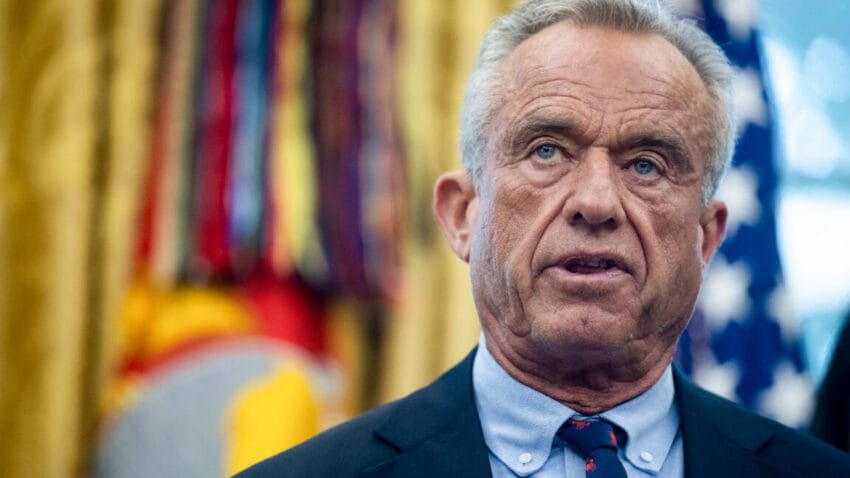
rfk jr drags feet on covid-19 vaccine As respiratory virus season draws near, no federal health official has signed off on recommendations for this year’s updated COVID-19 vaccines, leaving the federal vaccination schedule without an update and access to the shots in limbo for some low-income children.
rfk jr drags feet on covid-19 vaccine
Current Status of COVID-19 Vaccine Recommendations
The absence of federal approval for the updated COVID-19 vaccine recommendations has raised significant concerns among health officials and parents alike. As the respiratory virus season approaches, the lack of clarity regarding vaccination protocols could have serious implications for public health, particularly for vulnerable populations. According to reporting by Stat News, two immunization program experts, who requested anonymity due to potential repercussions from the Trump administration, indicated that states are currently unable to order COVID-19 vaccines for children enrolled in the Vaccines for Children (VFC) program.
Understanding the Vaccines for Children (VFC) Program
The VFC program is a crucial initiative that provides vaccines at no cost to children who are Medicaid-eligible or uninsured. This program serves approximately half of all children in the United States, making it a vital resource for ensuring that low-income families have access to necessary vaccinations. The inability to procure COVID-19 vaccines through this program could leave many children unprotected against the virus, particularly as new variants continue to emerge.
Process for Vaccine Recommendations
Typically, the process for updating vaccine recommendations involves several key steps. Initially, a panel of expert advisors known as the Advisory Committee on Immunization Practices (ACIP) reviews the latest vaccine data. This panel conducts a thorough evaluation of the safety and efficacy of the vaccines, followed by a public vote on whether to recommend their use. Once the ACIP votes, the CDC director has the authority to adopt these recommendations.
While it is not uncommon for CDC directors to diverge from ACIP recommendations, they usually adopt them, often on the same day as the vote. Once approved, these recommendations become part of the federal vaccine guidance, which mandates that insurance companies and federal programs cover the recommended shots. This streamlined process has historically ensured that vaccines are readily available to the public in a timely manner.
Implications of Delayed Recommendations
The current delay in vaccine recommendations poses several implications for public health. First and foremost, it creates uncertainty for parents who are eager to protect their children against COVID-19. As respiratory viruses typically surge during the fall and winter months, the timing of vaccine availability is critical. Parents may find themselves in a difficult position, weighing the risks of COVID-19 against the lack of clear guidance from federal health officials.
Moreover, the delay could exacerbate existing health disparities. Low-income families, who rely on programs like VFC for vaccinations, may be disproportionately affected by the lack of access to updated vaccines. This could lead to higher rates of infection among children in these communities, further straining healthcare resources and potentially leading to more severe health outcomes.
Stakeholder Reactions
The delay in vaccine recommendations has elicited a range of reactions from various stakeholders, including health officials, parents, and advocacy groups. Many health experts have expressed frustration over the lack of timely guidance, emphasizing the importance of vaccinations in controlling the spread of COVID-19 and protecting vulnerable populations.
Health Officials’ Concerns
Health officials have voiced concerns that the delay could undermine public confidence in the vaccination process. When recommendations are not issued promptly, it can lead to confusion and skepticism among parents, who may question the safety and efficacy of the vaccines. This uncertainty can result in lower vaccination rates, which could hinder efforts to achieve herd immunity and control the virus’s spread.
Parents’ Perspectives
Parents are understandably anxious about the situation. Many are eager to ensure their children are vaccinated, particularly as schools reopen and social activities resume. The lack of clear communication from federal health officials has left some parents feeling frustrated and uncertain about the best course of action for their families. Some parents have taken to social media to express their concerns, calling for more transparency and timely updates regarding vaccine availability.
Advocacy Groups’ Responses
Advocacy groups focused on children’s health have also weighed in on the issue. Many organizations are urging federal officials to expedite the review and approval process for updated COVID-19 vaccines. They argue that timely access to vaccinations is essential for protecting children, particularly those in underserved communities. These groups are advocating for increased communication from health officials to ensure that parents are informed about vaccine availability and recommendations.
Potential Solutions and Next Steps
Given the current situation, several potential solutions could help expedite the process of updating vaccine recommendations. First, increased collaboration between federal health agencies and state health departments could streamline the approval process. By working together, these entities can ensure that vaccine data is reviewed and acted upon more swiftly.
Enhancing Communication
Improving communication between health officials and the public is another critical step. Regular updates regarding the status of vaccine recommendations can help alleviate concerns and provide parents with the information they need to make informed decisions about their children’s health. Transparency in the decision-making process can also foster trust in the vaccination system.
Emergency Use Authorizations
In some cases, emergency use authorizations (EUAs) may be a viable option for expediting access to updated vaccines. If the data supporting the safety and efficacy of the vaccines is robust, federal health officials could consider issuing EUAs to allow for quicker distribution, particularly for high-risk populations. This approach has been utilized in the past for COVID-19 vaccines and could be a way to ensure timely access for children.
Conclusion
The delay in federal recommendations for updated COVID-19 vaccines poses significant challenges for public health, particularly for low-income children who rely on programs like VFC for access to vaccinations. As the respiratory virus season approaches, it is crucial for federal health officials to expedite the review and approval process to ensure that children are protected against COVID-19. Enhanced communication, collaboration, and potential use of emergency authorizations could help mitigate the impact of this delay and ensure that all children have access to necessary vaccinations.
Source: Original report
Was this helpful?
Explore more: More General Technology Tech News Blog
Last Modified: October 3, 2025 at 2:37 am
9 views