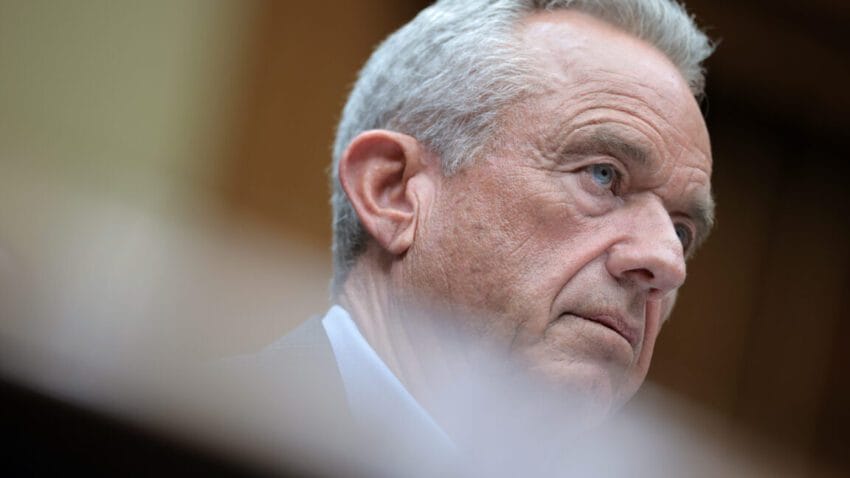
rfk jr adds more anti-vaccine members to Robert F. Kennedy Jr., the health secretary and noted anti-vaccine activist, has appointed five additional members to the federal advisory committee responsible for setting national vaccination recommendations.
rfk jr adds more anti-vaccine members to
Background on the Advisory Committee on Immunization Practices
The Advisory Committee on Immunization Practices (ACIP) is a critical component of the Centers for Disease Control and Prevention (CDC). Established to provide expert recommendations on the use of vaccines in the United States, ACIP plays a vital role in public health policy. Its recommendations influence vaccination schedules, funding for vaccine programs, and overall public trust in immunization efforts.
Historically, ACIP has been composed of highly qualified individuals with extensive backgrounds in medicine, epidemiology, and public health. These members are typically selected based on their expertise and experience, ensuring that the committee’s recommendations are grounded in scientific evidence and best practices. However, the recent changes initiated by Kennedy have raised significant concerns regarding the integrity and credibility of the committee.
Recent Changes to ACIP
In June 2025, Kennedy undertook a dramatic overhaul of ACIP by purging all 17 existing members. This move was unprecedented, as it removed a group of experts who had been thoroughly vetted and were widely respected in their fields. The rationale behind this decision appears to be rooted in Kennedy’s desire to reshape the committee in alignment with his own views on vaccines, which are often contrary to established scientific consensus.
Following the dismissal of the original members, Kennedy quickly appointed seven new individuals, most of whom share his anti-vaccine stance or have expressed contrarian views on public health. This shift has raised alarms among public health officials, medical professionals, and advocates for vaccination, who fear that the new composition of ACIP could undermine vaccination efforts across the country.
New Appointments and Their Implications
The five new members added to ACIP by Kennedy have sparked further controversy. Like their predecessors, these appointees have questionable qualifications for serving on such a pivotal committee. Many have publicly expressed anti-vaccine sentiments, which raises concerns about their ability to make impartial recommendations regarding vaccination policies.
Profiles of the New Members
- Member One: This individual has a history of promoting discredited theories about vaccine safety and has been involved in various anti-vaccine campaigns. Their presence on ACIP could significantly influence the committee’s recommendations.
- Member Two: Known for their contrarian views on public health, this appointee has previously testified against vaccine manufacturers in court cases alleging vaccine-related harms, raising questions about potential conflicts of interest.
- Member Three: With limited experience in immunology or epidemiology, this member’s qualifications for serving on ACIP are questionable. Their anti-vaccine rhetoric has been widely criticized by public health experts.
- Member Four: This individual has been associated with various organizations that promote vaccine misinformation. Their appointment could further erode public trust in the CDC’s recommendations.
- Member Five: A prominent figure in the anti-vaccine movement, this appointee has made headlines for their controversial statements regarding vaccine safety and efficacy.
The inclusion of these individuals on ACIP raises serious ethical concerns. The committee’s primary responsibility is to ensure that vaccination policies are based on sound scientific evidence. However, with members who have openly challenged the safety and efficacy of vaccines, the potential for biased recommendations increases significantly.
Conflict of Interest Concerns
One of the most troubling aspects of Kennedy’s appointments is the presence of members who have been compensated for testifying against vaccine manufacturers. This creates a clear conflict of interest, as these individuals may have financial motivations that could influence their decision-making on the committee. The integrity of ACIP relies on its members being free from such conflicts, allowing them to make unbiased recommendations that prioritize public health.
Public health advocates have expressed alarm over these developments, emphasizing that the credibility of ACIP is at stake. If the committee’s recommendations are perceived as being influenced by anti-vaccine sentiments or financial interests, it could lead to a decline in vaccination rates, putting vulnerable populations at risk.
Reactions from Public Health Experts
The response from public health experts and organizations has been overwhelmingly critical of Kennedy’s actions. Many have voiced concerns that the new composition of ACIP could undermine decades of progress in vaccination efforts. Vaccines have played a crucial role in controlling infectious diseases, and any erosion of public trust in vaccines could have dire consequences for public health.
Dr. Anthony Fauci, a prominent figure in infectious disease research, stated, “The integrity of public health recommendations is paramount. The appointments made by Kennedy raise significant concerns about the future of vaccination policy in this country.” His comments reflect a broader sentiment among health professionals who fear that the anti-vaccine movement is gaining traction within influential government bodies.
Implications for Public Health Policy
The implications of these changes extend beyond the composition of ACIP. As the committee sets national vaccination recommendations, its decisions will have far-reaching effects on public health policy. If the new members push for policies that align with anti-vaccine views, it could lead to a decline in vaccination rates, resulting in outbreaks of vaccine-preventable diseases.
Moreover, the public’s perception of the CDC and its recommendations may be adversely affected. Trust in public health institutions is crucial for effective vaccination campaigns, and any erosion of that trust could hinder efforts to achieve herd immunity against diseases such as measles, mumps, and rubella.
Future of Vaccination in the U.S.
The future of vaccination in the United States is uncertain in light of these developments. As the new ACIP members begin to influence vaccination policy, public health advocates are calling for increased transparency and accountability within the committee. They argue that it is essential to ensure that recommendations are based on sound science rather than personal beliefs or financial interests.
Advocates for vaccination are also urging the public to remain vigilant and informed about vaccine safety and efficacy. Misinformation surrounding vaccines has proliferated in recent years, and it is crucial for individuals to seek information from credible sources. Public health campaigns aimed at educating the public about the importance of vaccines and dispelling myths surrounding them will be essential in countering the influence of anti-vaccine rhetoric.
Conclusion
The recent appointments made by Robert F. Kennedy Jr. to the Advisory Committee on Immunization Practices have raised significant concerns regarding the future of vaccination policy in the United States. With members who have questionable qualifications and a history of anti-vaccine sentiments, the integrity of ACIP is at stake. As public health advocates continue to voice their concerns, the need for transparency and accountability within the committee has never been more critical. The future of vaccination efforts will depend on the ability to maintain public trust in health recommendations and ensure that they are grounded in scientific evidence.
Source: Original report
Was this helpful?
Explore more: More General Technology Tech News Blog
Last Modified: September 16, 2025 at 5:37 am
6 views