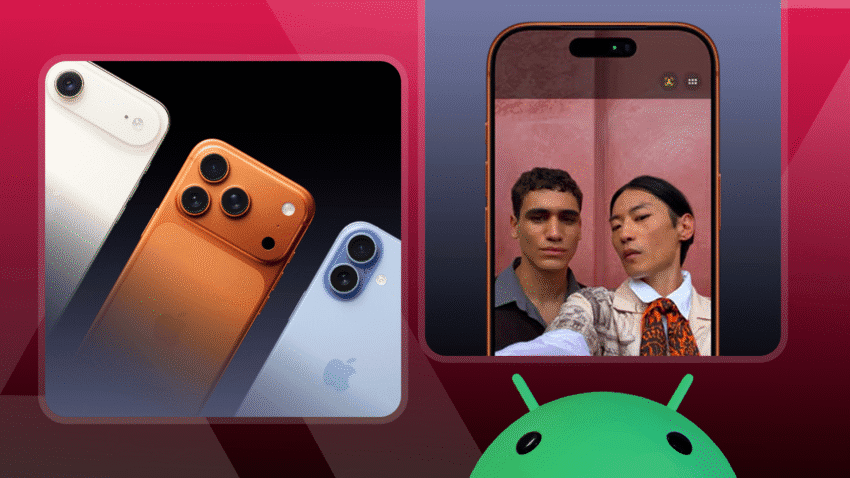
revolutionary square image sensor in iphone 17 Apple’s introduction of a square image sensor in the iPhone 17 is set to redefine the landscape of smartphone photography, particularly for selfies and group photos.
revolutionary square image sensor in iphone 17
Introduction to the Square Image Sensor
In recent years, the smartphone market has witnessed a significant divide in innovation between Android devices and Apple’s iPhones. While Android manufacturers have often pushed the envelope with cutting-edge hardware, Apple has concentrated on refining user experience and feature implementation. However, the iPhone 17 aims to bridge this gap with its revolutionary square image sensor, which promises to enhance the quality of selfies and group photos dramatically.
Technical Specifications of the Square Sensor
The square image sensor in the iPhone 17 is a notable departure from traditional rectangular sensors. This innovative design allows for a broader field of view, which is particularly beneficial for capturing group photos and selfies. The sensor is engineered to capture more light, resulting in improved image quality, especially in low-light conditions.
Enhanced Light Capture
One of the standout features of the square sensor is its ability to capture more light compared to its rectangular counterparts. This enhancement is crucial for photographers who often find themselves in less-than-ideal lighting situations. The increased light sensitivity not only improves the overall brightness of images but also enhances color accuracy and detail.
Field of View and Composition
The square shape of the sensor allows for a wider field of view, enabling users to fit more subjects into a single frame without the need to step back. This is particularly advantageous for group selfies, where fitting everyone into the shot can be a challenge. The new sensor design promotes better composition, allowing for more creative angles and perspectives.
Implications for Selfie and Group Photography
The introduction of the square image sensor is poised to have significant implications for how users approach photography on their smartphones. Selfies and group photos have become integral to social media culture, and the iPhone 17’s advancements in this area could set a new standard for mobile photography.
Social Media Influence
With platforms like Instagram and TikTok dominating the social media landscape, the demand for high-quality images has never been greater. The iPhone 17’s square sensor could cater to this demand, allowing users to capture stunning images that stand out in crowded feeds. Enhanced image quality and composition capabilities may encourage users to share more content, potentially increasing engagement on these platforms.
Impact on Content Creators
Content creators, including influencers and photographers, often rely on their smartphones for capturing high-quality images on the go. The iPhone 17’s square sensor could become a vital tool for these individuals, enabling them to produce professional-grade content without the need for bulky camera equipment. This could democratize photography, allowing more people to create visually appealing content with ease.
Stakeholder Reactions
The introduction of the square image sensor has garnered attention from various stakeholders in the tech and photography communities. Industry analysts, smartphone enthusiasts, and professional photographers have all weighed in on the potential impact of this innovation.
Industry Analysts
Industry analysts have expressed optimism about Apple’s latest innovation. Many believe that the square image sensor could give the iPhone 17 a competitive edge in the smartphone market. Analysts point out that while Apple has traditionally focused on software and user experience, this hardware advancement could attract users who prioritize camera performance.
Photographers and Influencers
Professional photographers and social media influencers have also reacted positively to the news. Many have highlighted the importance of high-quality images in their work and expressed excitement about the potential of the square sensor. Influencers, in particular, see this as an opportunity to enhance their content and engage their audiences more effectively.
Comparison with Competitors
As Apple rolls out the iPhone 17 with its innovative square image sensor, it is essential to consider how this technology stacks up against competitors in the smartphone market. Android manufacturers have been known for their aggressive hardware innovations, and the iPhone 17’s new sensor could be seen as a response to this trend.
Android Innovations
In recent years, Android devices have introduced various camera technologies, such as multiple lenses, advanced computational photography, and high-resolution sensors. Brands like Samsung and Google have led the charge, offering features like night mode and portrait enhancements that have set new benchmarks for smartphone photography. Apple’s square sensor could be viewed as an attempt to reclaim some of the spotlight in this competitive landscape.
Potential Competitive Advantages
The square image sensor may provide Apple with unique advantages over its competitors. While many Android devices focus on multiple lenses and complex camera systems, the simplicity and effectiveness of a single square sensor could appeal to users who prioritize ease of use. Furthermore, Apple’s integration of hardware and software has historically resulted in a seamless user experience, which could enhance the overall performance of the new sensor.
Future of Smartphone Photography
The introduction of the square image sensor in the iPhone 17 may signal a broader shift in smartphone photography. As consumers increasingly seek high-quality images for personal and professional use, manufacturers may be compelled to innovate further in this space.
Emerging Trends
As smartphone cameras evolve, several emerging trends are likely to shape the future of mobile photography:
- Computational Photography: The use of advanced algorithms to enhance image quality will continue to grow. Features like AI-driven enhancements and real-time editing could become standard in future devices.
- Augmented Reality (AR): As AR technology advances, the integration of AR features into smartphone cameras could offer users new ways to capture and share their experiences.
- Customization: Users may increasingly demand customizable camera settings, allowing them to tailor their photography experience to their preferences.
Environmental Considerations
As smartphone manufacturers innovate, environmental considerations are becoming increasingly important. The production and disposal of electronic devices have significant ecological impacts, prompting companies to adopt more sustainable practices. Apple’s commitment to environmental responsibility may influence how they approach future innovations in smartphone photography.
Conclusion
The introduction of the square image sensor in the iPhone 17 marks a significant milestone in smartphone photography. By enhancing light capture, expanding the field of view, and improving overall image quality, Apple is poised to redefine how users approach selfies and group photos. As the smartphone market continues to evolve, this innovation could set new standards for mobile photography and influence future developments across the industry.
Source: Original report
Was this helpful?
Explore more: Mobile App Development More Mobile Technology Tech News
Last Modified: September 13, 2025 at 7:38 pm
15 views