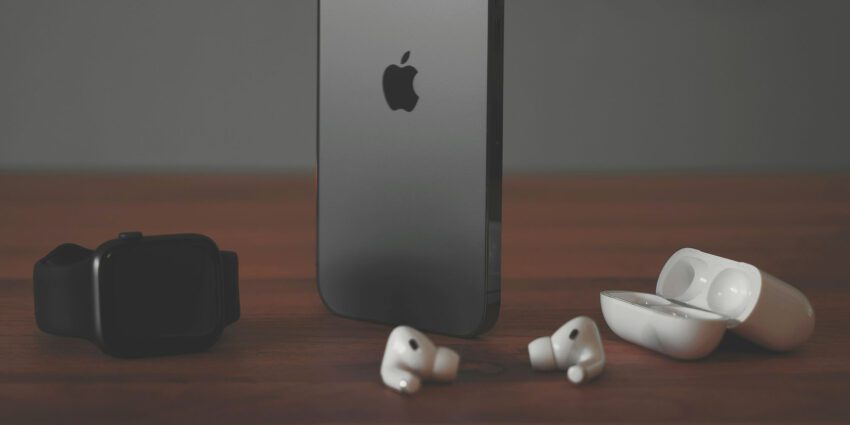
reverse wireless charging may not be possible Recent reports suggest that Apple’s highly anticipated iPhone 17 Pro may not feature reverse wireless charging, a capability that allows users to wirelessly charge other devices using their smartphone.
reverse wireless charging may not be possible
Understanding Reverse Wireless Charging
Reverse wireless charging is a technology that enables a smartphone to serve as a power source for other devices, such as earbuds, smartwatches, or even another smartphone. This feature has gained traction in recent years, particularly among Android devices, where it has been implemented in various models from manufacturers like Samsung and Huawei. The technology relies on the Qi wireless charging standard, which has become widely adopted across the industry.
For many consumers, reverse wireless charging represents a convenient solution for on-the-go charging needs. Users can simply place their compatible devices on the back of their smartphone to initiate charging, eliminating the need for additional cables or power banks. This functionality is particularly appealing for those who frequently use multiple devices and want to streamline their charging process.
Apple’s Position in the Market
Apple has long been known for its innovative approach to technology, often setting trends rather than following them. While the company has introduced various features that enhance user experience, it has also been cautious about adopting technologies that may not meet its stringent performance and reliability standards. This cautious approach is evident in its decision-making process regarding the iPhone 17 Pro’s features.
Despite the popularity of reverse wireless charging among competitors, Apple has yet to implement this feature in its devices. The iPhone 14 Pro, for example, did not include reverse wireless charging, and it appears that the iPhone 17 Pro may follow suit. This decision could stem from Apple’s commitment to ensuring that any new technology it introduces meets its high standards for efficiency and user satisfaction.
Technical Challenges
Reports indicate that Apple has encountered technical challenges in implementing reverse wireless charging effectively. While the technology itself is not new, integrating it into the iPhone’s existing hardware and software ecosystem poses unique challenges. Apple is known for its meticulous engineering, and any feature that does not align with its quality standards may be sidelined.
Some of the challenges Apple may face include:
- Heat Management: Wireless charging generates heat, which can affect the performance and longevity of the device’s battery. Apple may be concerned about the potential for overheating when using reverse wireless charging.
- Efficiency: The efficiency of reverse wireless charging can vary significantly depending on the devices involved. Apple may be prioritizing features that offer more reliable and efficient charging options.
- Battery Life: Implementing reverse wireless charging could impact the overall battery life of the iPhone 17 Pro. Apple may be reluctant to compromise the device’s primary function as a smartphone in favor of an additional feature.
Market Implications
The absence of reverse wireless charging in the iPhone 17 Pro could have several implications for both consumers and Apple itself. For consumers, this decision may limit their charging options, particularly for those who rely on multiple devices. The convenience of being able to charge accessories like AirPods or Apple Watch on the go may be a significant factor for potential buyers.
From a market perspective, Apple’s decision could influence consumer perception of the iPhone 17 Pro. As competitors continue to roll out devices with reverse wireless charging capabilities, Apple may risk losing market share among consumers who prioritize this feature. The company has built a reputation for innovation, and failing to include popular features could impact its brand image.
Stakeholder Reactions
As news of the potential exclusion of reverse wireless charging spreads, reactions from stakeholders have varied. Tech enthusiasts and analysts have expressed disappointment, citing the feature as a desirable addition to the iPhone lineup. Many consumers have taken to social media to voice their opinions, with some arguing that Apple is falling behind its competitors in terms of technological advancements.
On the other hand, some analysts believe that Apple’s decision may be strategic. By focusing on other functionalities, such as camera enhancements or improved battery life, Apple may be positioning the iPhone 17 Pro as a more well-rounded device. This approach could resonate with consumers who prioritize overall performance over specific features.
Future Considerations
While the current reports suggest that reverse wireless charging may not be included in the iPhone 17 Pro, it is essential to consider the possibility of future iterations of the iPhone adopting this technology. Apple has a history of revisiting features in subsequent models, and consumer demand could play a significant role in shaping the company’s decisions.
As the smartphone market continues to evolve, Apple may find itself under increasing pressure to incorporate features that enhance user experience. If reverse wireless charging becomes a standard expectation among consumers, Apple may have no choice but to adapt to these changing preferences in future models.
Conclusion
The potential exclusion of reverse wireless charging from the iPhone 17 Pro raises questions about Apple’s strategy and priorities as it prepares for the device’s launch. While the feature has garnered interest from consumers, the technical challenges and implications for user experience may have led Apple to focus on other enhancements instead. As the launch date approaches, further details may emerge, shedding light on Apple’s final decisions regarding the iPhone 17 Pro’s capabilities.
Source: Original report
Was this helpful?
Explore more: Mobile App Development More Mobile Technology Tech News
Last Modified: September 6, 2025 at 7:59 am
7 views