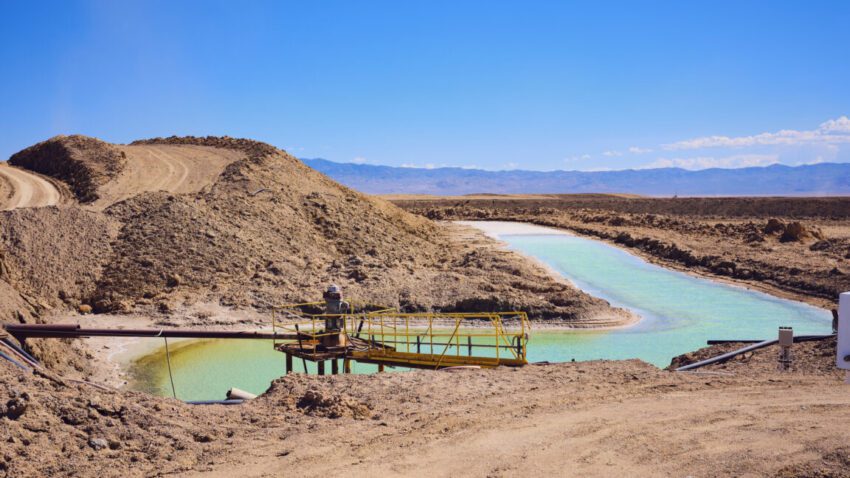
researchers develop a new process to get Researchers have unveiled a groundbreaking method for extracting lithium from rocks, potentially transforming the lithium supply chain.
researchers develop a new process to get
The Importance of Lithium in Modern Technology
Lithium has become a cornerstone of modern technology, particularly in the production of batteries. With the rise of electric vehicles (EVs) and renewable energy storage systems, the demand for lithium-ion batteries has surged. These batteries are favored for their high energy density, lightweight properties, and ability to recharge quickly. However, the current methods of lithium extraction and production face significant challenges.
The Current Landscape of Lithium Extraction
While lithium is abundant in the Earth’s crust, the economically viable sources are limited. The most common method of lithium extraction involves sourcing it from brine deposits, primarily found in South America, particularly in the Lithium Triangle, which encompasses parts of Argentina, Bolivia, and Chile. These regions contain vast salt flats that are rich in lithium, making them the most cost-effective sources for extraction.
However, this method is not without its drawbacks. The extraction process can be environmentally damaging, consuming large amounts of water and affecting local ecosystems. Furthermore, the geographical concentration of lithium brines can lead to supply chain vulnerabilities. A disruption in these regions could lead to significant shortages, impacting industries reliant on lithium.
The Challenges of Competing Technologies
Despite the growing interest in alternative battery technologies, such as solid-state batteries and sodium-ion batteries, lithium-ion technology remains the dominant player in the market. The established supply chains and manufacturing processes for lithium-ion batteries create a formidable barrier for new technologies. Even if a superior battery technology is developed, the challenge lies in achieving competitive manufacturing costs.
As the demand for lithium continues to rise, the industry faces the looming threat of a supply crunch. This situation could be exacerbated by geopolitical tensions, trade restrictions, or environmental regulations that limit extraction activities. In this context, finding new methods for lithium extraction becomes crucial.
A Breakthrough in Lithium Extraction
In a recent issue of the journal Science, a research team has reported a significant advancement in lithium extraction technology. The new process focuses on extracting lithium from hard rock sources, which have been largely overlooked in favor of brine extraction. This innovative method promises to be more energy-efficient and sustainable than traditional techniques.
The New Extraction Process
The research team has developed a process that utilizes significantly less energy compared to existing methods. Traditional hard rock lithium extraction often involves energy-intensive processes such as roasting and leaching, which can be costly and environmentally damaging. In contrast, the new method employs a more efficient approach that regenerates all starting chemicals, minimizing waste and reducing the overall environmental footprint.
Additionally, the byproducts generated from this process have commercial value, offering potential revenue streams that could offset extraction costs. This dual benefit of reducing energy consumption while creating marketable byproducts could make the new method an attractive option for lithium producers.
<h3.Implications for the Lithium Market
The introduction of this new extraction method could have far-reaching implications for the lithium market. If adopted widely, it could alleviate some of the supply pressures currently faced by the industry. By diversifying the sources of lithium extraction, the market could become less vulnerable to disruptions in brine-rich regions.
Moreover, the increased efficiency of the new process could lead to lower production costs for lithium, potentially making lithium-ion batteries even more affordable. This could accelerate the adoption of electric vehicles and renewable energy technologies, further driving demand for lithium.
<h2.Stakeholder Reactions
The announcement of this new extraction method has garnered attention from various stakeholders in the industry. Battery manufacturers, electric vehicle producers, and environmental advocates are all keenly interested in the potential benefits of this technology.
<h3.Battery Manufacturers
Battery manufacturers are particularly enthusiastic about the prospect of a more sustainable and cost-effective source of lithium. As companies strive to meet increasing demand for electric vehicles and energy storage solutions, securing a reliable supply of lithium is paramount. The new extraction process could provide a much-needed alternative to brine extraction, allowing manufacturers to diversify their supply chains.
<h3.Environmental Advocates
Environmental advocates have also expressed cautious optimism regarding the new method. The reduction in energy consumption and the regeneration of starting chemicals align with broader sustainability goals. However, concerns remain about the overall environmental impact of hard rock mining compared to brine extraction. As the technology develops, it will be crucial to conduct thorough environmental assessments to ensure that it does not introduce new ecological challenges.
<h3.Electric Vehicle Producers
Electric vehicle producers are closely monitoring developments in lithium extraction technology. As competition in the EV market intensifies, securing a stable and affordable supply of lithium will be essential for maintaining profitability. The new extraction method could play a pivotal role in ensuring that manufacturers can meet production targets without facing supply shortages.
<h2.Future Prospects and Research Directions
While the new extraction method shows great promise, further research and development will be necessary to optimize the process and scale it for commercial use. The research team will likely focus on refining the technology to enhance efficiency and reduce costs further. Additionally, collaborations with industry partners will be essential to facilitate the transition from laboratory-scale experiments to large-scale production.
<h3.Industry Collaborations
Partnerships between research institutions and industry players will be crucial in bringing this new extraction technology to market. Collaborative efforts can help streamline the development process, ensuring that the technology is not only effective but also economically viable. Industry stakeholders may also provide valuable insights into the practical challenges of scaling the technology for commercial use.
<h3.Regulatory Considerations
As the new extraction method gains traction, regulatory considerations will also come into play. Governments and regulatory bodies will need to assess the environmental and social impacts of hard rock lithium extraction. Establishing clear guidelines and standards will be essential to ensure that the technology is implemented responsibly and sustainably.
<h2.Conclusion
The development of a new energy-efficient method for extracting lithium from rocks represents a significant advancement in the quest for sustainable lithium production. As the demand for lithium continues to grow, this innovative approach could help alleviate supply pressures and reduce the environmental impact of extraction. Stakeholders across the industry are keenly watching the progress of this technology, as it has the potential to reshape the lithium market and support the transition to a more sustainable energy future.
Source: Original report
Was this helpful?
Explore more: More General Technology Tech News Blog
Last Modified: May 29, 2026 at 1:37 am
13 views