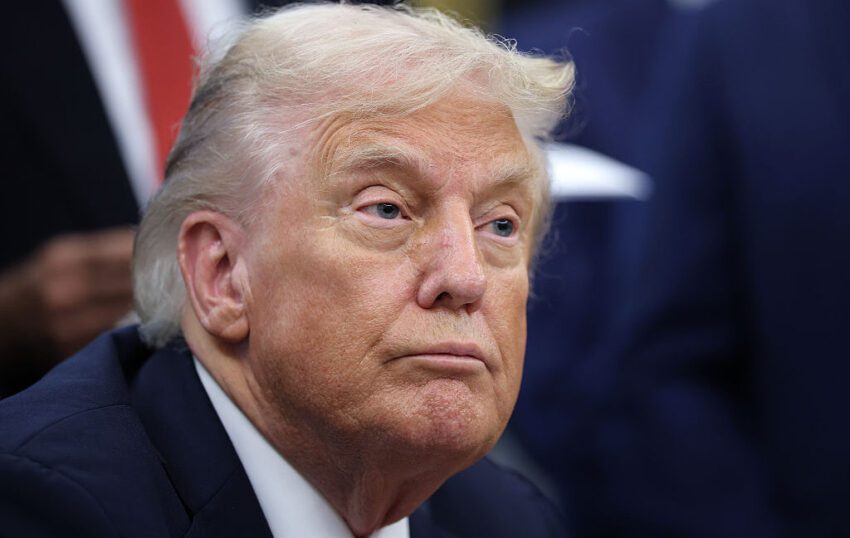
republicans drop trump-ordered block on state ai A push by former President Donald Trump to include a federal measure that would prevent states from enacting their own artificial intelligence (AI) laws has been thwarted in the National Defense Authorization Act (NDAA).
republicans drop trump-ordered block on state ai
Background on the AI Regulation Debate
The rapid advancement of artificial intelligence technologies has sparked a heated debate over the need for regulation. As AI systems become increasingly integrated into various sectors, concerns regarding their ethical use, potential biases, and implications for privacy have emerged. In this context, the question of whether federal or state governments should take the lead in regulating AI has become a focal point of contention.
Proponents of federal regulation argue that a uniform set of guidelines is essential to foster innovation and prevent a fragmented legal landscape that could hinder the growth of the AI industry. They contend that a patchwork of state laws could create confusion and inefficiencies for companies operating across state lines. Conversely, advocates for state-level regulation emphasize the importance of local governance in addressing specific risks and challenges posed by AI technologies. They argue that states are better positioned to respond quickly to emerging issues, given their closer proximity to the communities affected by these technologies.
Trump’s Push for Federal Preemption
Former President Trump has been vocal about his belief that state laws could stifle innovation in the AI sector. He has consistently argued that a federal preemption of state AI laws is necessary to ensure that companies can operate without the burden of complying with varying regulations across different states. Trump’s administration previously attempted to implement similar measures, but those efforts faced significant pushback from both lawmakers and industry stakeholders.
In recent months, Trump intensified his lobbying efforts, urging Republican lawmakers to include a provision in the NDAA that would block states from passing their own AI regulations for a decade. His rationale was that such a measure would allow the United States to maintain its competitive edge in the global AI race, particularly against countries like China, which are rapidly advancing their own AI capabilities.
The NDAA and Legislative Dynamics
The National Defense Authorization Act is an annual piece of legislation that outlines budgetary and policy priorities for the Department of Defense. While it primarily focuses on military funding, it often serves as a vehicle for various policy initiatives. This year, however, the inclusion of Trump’s proposed AI preemption measure has become a contentious issue among Republicans.
House Majority Leader Steve Scalise (R-La.) confirmed that a faction of Republicans is now “looking at other places” to potentially advance the measure, indicating that the party remains divided on the issue. The resistance to Trump’s push within the Republican Party highlights the complexities of balancing innovation with the need for regulatory oversight.
Opposition from Within the Party
Several Republican lawmakers have expressed concerns about the implications of a federal preemption on state-level governance. They argue that allowing states to regulate AI is crucial for addressing localized issues that may not be adequately covered by federal guidelines. Critics of the proposed measure have pointed to the importance of state sovereignty and the ability of local governments to respond to the unique challenges posed by AI technologies.
Furthermore, some Republicans have raised concerns about the potential for overreach by the federal government. They fear that a blanket ban on state AI laws could stifle innovation by preventing states from experimenting with different regulatory approaches. This sentiment reflects a broader ideological divide within the party regarding the role of government in regulating emerging technologies.
Industry Reactions
The tech industry has also weighed in on the debate surrounding AI regulation. Many stakeholders recognize the need for some form of regulation to address ethical concerns and ensure public trust in AI technologies. However, there is a consensus that a one-size-fits-all federal approach may not be the most effective solution.
Industry leaders have expressed a preference for a collaborative approach that involves input from both federal and state governments. They argue that a hybrid model could allow for the development of comprehensive guidelines while still enabling states to address specific local concerns. This perspective aligns with the views of many Republican lawmakers who oppose the federal preemption measure.
Potential Alternatives
As discussions continue, some lawmakers are exploring alternative avenues for addressing AI regulation. One possibility is the establishment of a bipartisan task force that would bring together representatives from both federal and state governments, as well as industry stakeholders, to develop a cohesive regulatory framework. Such an approach could facilitate dialogue and collaboration, ultimately leading to more effective regulation of AI technologies.
Another potential avenue is the introduction of legislation that focuses on specific aspects of AI regulation, such as data privacy or algorithmic transparency, rather than a blanket preemption of state laws. This targeted approach could address pressing concerns while still allowing states to maintain some level of regulatory authority.
The Implications of the Failed Measure
The failure to include Trump’s proposed AI preemption measure in the NDAA has several implications for the future of AI regulation in the United States. First and foremost, it signals a growing recognition among lawmakers of the importance of state-level governance in addressing the complexities of AI technologies. As states continue to grapple with the challenges posed by AI, the need for tailored regulations that reflect local contexts may become increasingly apparent.
Additionally, the ongoing debate over AI regulation underscores the necessity for a more comprehensive national strategy. As AI technologies continue to evolve, the federal government will need to engage in a more proactive dialogue with states, industry stakeholders, and the public to develop a cohesive regulatory framework that balances innovation with ethical considerations.
Looking Ahead
As the legislative session progresses, the future of AI regulation remains uncertain. While Trump’s push for a federal preemption has been thwarted for now, the conversation surrounding AI governance is far from over. Lawmakers will need to navigate the complexities of this rapidly evolving field while addressing the concerns of various stakeholders.
Ultimately, the outcome of this debate will have significant implications for the future of AI in the United States. As the country seeks to maintain its competitive edge in the global AI landscape, finding a balance between innovation and regulation will be crucial. The failure to pass the NDAA measure may serve as a catalyst for a more nuanced approach to AI governance, one that recognizes the importance of both federal and state roles in shaping the future of this transformative technology.
Source: Original report
Was this helpful?
Last Modified: December 4, 2025 at 3:35 am
13 views