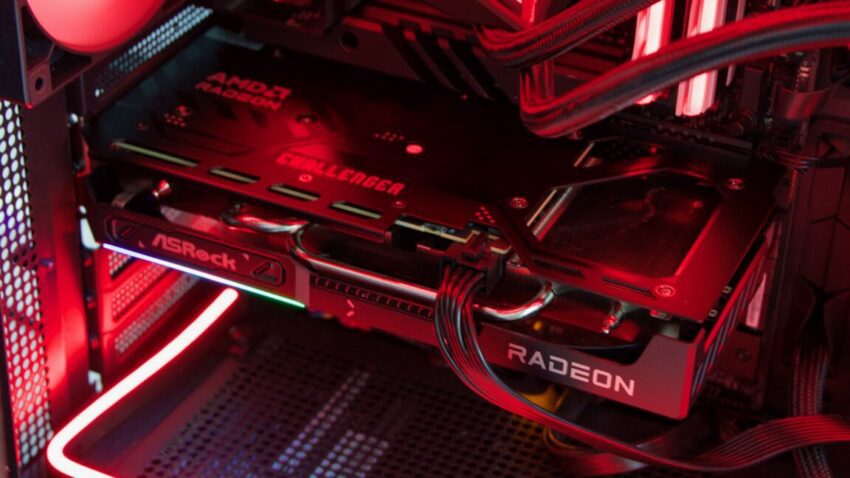
ram and ssd prices are still climbing-here The landscape for PC builders has become increasingly challenging as RAM and SSD prices continue to rise sharply, creating a difficult environment for those looking to upgrade or build new systems.
ram and ssd prices are still climbing-here
Current State of RAM and SSD Pricing
As we approach the end of 2025, the pricing trends for RAM and SSDs have taken a dramatic turn. The first few months of the year were marked by a flurry of graphics card reviews, where performance metrics impressed many, but the availability and pricing left consumers frustrated. This situation has only worsened as the year progressed, particularly for memory and storage components.
In recent months, the demand for RAM has surged, primarily driven by the increasing needs of AI data centers. This has resulted in significant price hikes that are unprecedented in the last two decades of PC component pricing. For many builders, the cost of memory has now become the most substantial expense in their builds, surpassing even that of high-end graphics cards.
Price Comparisons: August to December 2025
To illustrate the extent of these price increases, we can look at specific examples of popular RAM and SSD models over the last few months:
| Component | Aug. 2025 Price | Nov. 2025 Price | Dec. 2025 Price |
|---|---|---|---|
| Patriot Viper Venom 16GB (2 x 8GB) DDR-6000 | $49 | $110 | $189 |
| Western Digital WD Blue SN5000 500GB | $45 | $69 | $102* |
| Silicon Power 16GB (2 x 8GB) DDR4-3200 | $34 | $89 | $104 |
| Western Digital WD Blue SN5000 1TB | $64 | $111 | $135* |
| Team T-Force Vulcan 32GB DDR5-6000 | $82 | $310 | $341 |
| Western Digital WD Blue SN5000 2TB | $115 | $154 | $190* |
| Western Digital WD Black SN7100 2TB | $130 | $175 | $210 |
| Team Delta RGB 64GB (2 x 32GB) DDR5-6400 | $190 | $700 | $800 |
The data shows that some RAM kits have increased nearly fourfold since August, while SSD prices have also seen significant spikes, with some models now costing double what they did just a few months ago. For instance, the Patriot Viper Venom 16GB kit has skyrocketed from $49 to $189, and the Team Delta RGB 64GB kit has gone from $190 to an astonishing $800.
Factors Driving Price Increases
AI Demand
One of the primary drivers behind these price increases is the overwhelming demand for memory and storage in AI data centers. As companies invest heavily in AI technologies, the need for high-performance RAM and SSDs has surged. This demand has outstripped supply, leading to price inflation that has left many consumers reeling.
Supply Chain Issues
In addition to demand, ongoing supply chain issues continue to plague the tech industry. The semiconductor shortage, which began in 2020, has not fully resolved, and various geopolitical factors have further complicated the situation. Manufacturers are struggling to keep up with the rapid pace of technological advancement, and this has resulted in bottlenecks that affect the availability of crucial components.
Market Speculation
Market speculation also plays a role in the pricing dynamics. As prices rise, some retailers and distributors may engage in speculative pricing, anticipating further increases and adjusting their prices accordingly. This creates a feedback loop that exacerbates the situation, making it even more challenging for consumers to find reasonably priced components.
Implications for PC Builders
The current pricing environment has significant implications for PC builders. For many, the cost of upgrading or building a new system may now be prohibitive. Here are some key considerations for those looking to navigate this challenging market:
Budget Adjustments
Given the steep price increases, builders may need to reassess their budgets. What was once a reasonable expenditure for high-performance components may now require a significant increase in financial commitment. It’s essential to set realistic expectations and be prepared for potential compromises on component choices.
Timing Purchases
Timing may also play a crucial role in securing better prices. While the current trend shows rising prices, it’s unclear when or if they will stabilize. Builders should keep an eye on market trends and be ready to make purchases when prices dip, even if only temporarily. Historical data suggests that prices can fluctuate, and waiting for a more favorable purchasing window could yield savings.
Alternative Components
Another strategy is to consider alternative components. While high-end RAM and SSDs may be out of reach, there are often mid-range options that can provide adequate performance at a lower price point. Builders should research and compare specifications to find components that meet their needs without breaking the bank.
Used Market Opportunities
The used market can also present opportunities for savvy builders. While caution is advised when purchasing used components, there are often deals to be found that can help mitigate the costs associated with new parts. Platforms such as eBay, Craigslist, and specialized forums can be valuable resources for finding gently used hardware.
Future Outlook
As we look ahead, the future of RAM and SSD pricing remains uncertain. Analysts suggest that while demand for AI-related components is likely to persist, there may be some stabilization in prices as manufacturers ramp up production and address supply chain challenges. However, the speed at which this occurs is difficult to predict.
In the meantime, PC builders must remain vigilant and adaptable. The landscape is continually evolving, and those who are informed and proactive will be better positioned to navigate the challenges ahead. Whether through budget adjustments, strategic timing, or exploring alternative options, there are ways to build a capable system even in a tough market.
Conclusion
The current state of RAM and SSD pricing presents significant challenges for PC builders. With prices climbing to unprecedented levels, it is essential for consumers to stay informed and make strategic decisions. By adjusting budgets, timing purchases wisely, considering alternative components, and exploring the used market, builders can still find ways to create powerful systems despite the rising costs. The tech landscape is ever-changing, and staying adaptable will be key to success in this environment.
Source: Original report
Was this helpful?
Explore more: More Consumer Technology Tech News Blog
Last Modified: December 19, 2025 at 10:41 am
104 views