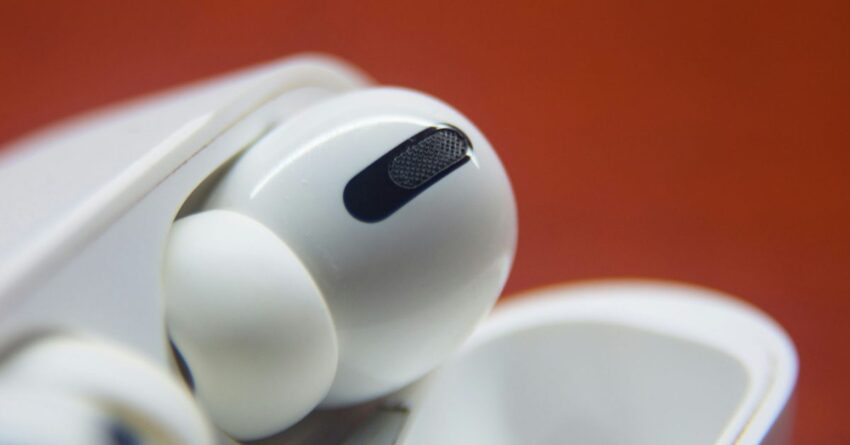
psa audiologists recommend the 60 60 rule Recent warnings from audiologists highlight the potential risks associated with the excessive use of in-ear headphones, such as AirPods, emphasizing the importance of adhering to the 60/60 rule to mitigate these dangers.
psa audiologists recommend the 60 60 rule
Understanding the Risks of In-Ear Headphones
In-ear headphones, including popular models like Apple’s AirPods, have become ubiquitous in today’s digital landscape. While they offer convenience and portability, prolonged use can lead to serious health concerns. Audiologists have raised alarms about the potential for hearing damage, ear infections, and other auditory issues linked to excessive use of these devices.
Hearing Damage and Noise-Induced Hearing Loss
One of the primary concerns regarding in-ear headphones is the risk of noise-induced hearing loss (NIHL). This condition occurs when the hair cells in the inner ear are damaged due to exposure to loud sounds over time. Audiologists recommend that users be mindful of the volume levels at which they listen to music or other audio content. The 60/60 rule serves as a practical guideline to help mitigate these risks.
The 60/60 Rule Explained
The 60/60 rule is straightforward: listen to audio at no more than 60% of the maximum volume for no longer than 60 minutes at a time. After an hour of listening, it is advisable to take a break for at least an equal amount of time. This approach not only helps protect hearing but also allows the ears to recover from prolonged exposure to sound.
Implications of Ignoring the 60/60 Rule
Failing to adhere to the 60/60 rule can have significant implications for users. Prolonged exposure to high volumes can lead to:
- Tinnitus: A condition characterized by ringing or buzzing in the ears, which can be persistent and debilitating.
- Sound Sensitivity: Increased sensitivity to everyday sounds, making normal auditory experiences uncomfortable.
- Long-term Hearing Loss: Permanent damage to the auditory system, which may not be reversible.
Additional Health Risks Associated with In-Ear Headphones
In addition to hearing damage, in-ear headphones can pose other health risks. These include ear infections and discomfort due to improper use or hygiene practices.
Ear Infections
In-ear headphones can trap moisture and bacteria in the ear canal, creating an environment conducive to infections. Audiologists recommend maintaining good hygiene practices, such as regularly cleaning the headphones and ensuring that they are dry before use. Users should also avoid sharing their headphones, as this can facilitate the transfer of bacteria.
Discomfort and Earwax Buildup
Prolonged use of in-ear headphones can lead to discomfort and earwax buildup. The constant insertion of the earbuds can push earwax deeper into the ear canal, potentially leading to blockages and further complications. Users should be aware of their ear health and consult a healthcare professional if they experience discomfort or changes in hearing.
Best Practices for Safe Headphone Use
To ensure safe and enjoyable use of in-ear headphones, audiologists recommend several best practices beyond the 60/60 rule:
- Volume Control: Always keep the volume at a safe level, ideally below 60% of the maximum.
- Regular Breaks: Take breaks every hour to give your ears a chance to rest.
- Hygiene: Clean your headphones regularly and avoid sharing them with others.
- Choose Quality Products: Invest in high-quality headphones that provide good sound isolation, allowing for lower volume levels.
The Role of Technology in Hearing Health
As technology continues to evolve, manufacturers are increasingly incorporating features aimed at promoting hearing health. Some modern headphones come equipped with noise-cancellation technology, which can help users enjoy audio at lower volumes by blocking out external noise. This feature can be particularly beneficial in noisy environments, reducing the temptation to increase volume levels.
Smart Listening Features
Additionally, some headphones now offer smart listening features that can automatically adjust volume levels based on the surrounding environment. These advancements aim to protect users from unintentional exposure to harmful sound levels, making it easier to adhere to guidelines like the 60/60 rule.
Stakeholder Reactions and Public Awareness
The recommendations from audiologists have sparked discussions among various stakeholders, including health professionals, educators, and technology companies. Many health professionals are advocating for increased public awareness regarding the risks associated with in-ear headphones. Educational campaigns aimed at young adults and teenagers, who are often heavy users of these devices, are particularly crucial.
Educational Initiatives
Schools and universities are beginning to implement educational initiatives that focus on hearing health. Workshops and seminars that inform students about the risks of excessive headphone use and the importance of the 60/60 rule are becoming more common. These initiatives aim to empower young people to make informed choices about their listening habits.
Industry Response
In response to growing concerns, some technology companies are taking proactive steps to address hearing health. For example, Apple has introduced features in its devices that alert users when they have been listening at high volumes for extended periods. Such features are designed to promote healthier listening habits and raise awareness about the potential risks associated with in-ear headphones.
Conclusion
As in-ear headphones continue to dominate the audio landscape, it is essential for users to be aware of the potential risks associated with their use. The 60/60 rule serves as a valuable guideline for protecting hearing health and preventing long-term damage. By adhering to this rule and implementing best practices for safe headphone use, individuals can enjoy their audio experiences while minimizing the risks of hearing loss and other auditory issues.
In an era where digital audio is an integral part of daily life, prioritizing hearing health is more important than ever. With increased awareness and proactive measures, users can safeguard their auditory well-being while enjoying the convenience and quality that in-ear headphones offer.
Source: Original report
Was this helpful?
Explore more: More Consumer Technology Tech News Blog
Last Modified: February 17, 2026 at 5:37 pm
15 views