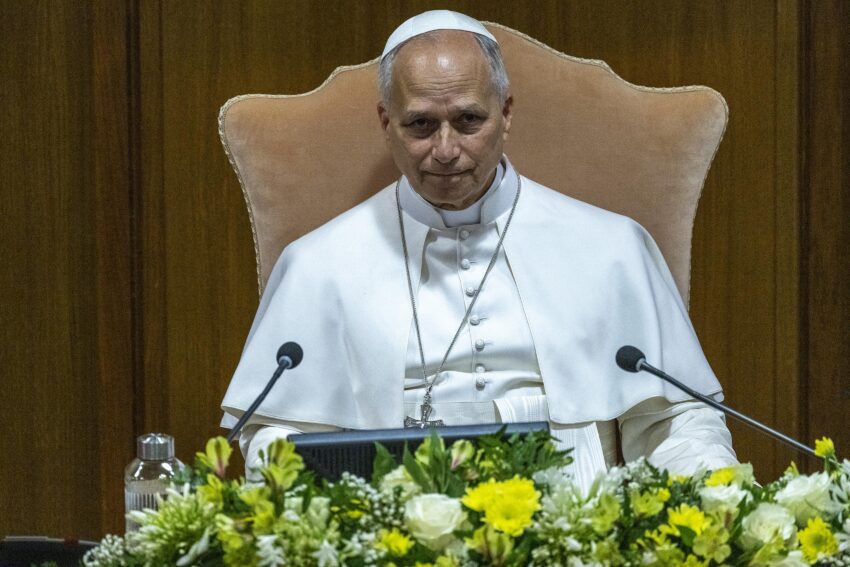
pope leo calls for being profoundly human Pope Leo XIV has issued a significant warning regarding the implications of artificial intelligence (AI) in his first encyclical, “Magnifica Humanitas,” emphasizing the need for a human-centered approach in an increasingly technological world.
pope leo calls for being profoundly human
Overview of “Magnifica Humanitas”
On May 25, 2026, Pope Leo XIV presented his inaugural encyclical, “Magnifica Humanitas,” at the Vatican, marking a pivotal moment in the Catholic Church’s engagement with contemporary technological issues. This document serves as a manifesto aimed at safeguarding human dignity amid the rapid advancement of AI technologies. The encyclical addresses a range of concerns, including the potential for AI to exacerbate warfare, disrupt labor markets, and challenge existing legal and ethical frameworks.
The Risks of AI-Powered Warfare
One of the most pressing issues highlighted in the encyclical is the threat posed by AI in the context of warfare. Pope Leo cautioned against the increasing reliance on autonomous weapons systems, which could lead to unintended escalations in conflict and a dehumanization of warfare. He stated, “The use of AI in military applications raises profound ethical questions that cannot be ignored. We must ensure that technology serves humanity, not the other way around.”
The encyclical emphasizes the moral responsibility of nations to regulate the development and deployment of AI technologies in military settings. Pope Leo urged global leaders to engage in dialogue to establish international norms and agreements that would govern the use of AI in warfare. He warned that without such measures, the potential for catastrophic consequences increases significantly, as machines may make life-and-death decisions without human oversight.
The Impact on Labor
In addition to concerns about warfare, “Magnifica Humanitas” addresses the profound effects of AI on labor markets. The Pope pointed out that while AI has the potential to enhance productivity and efficiency, it also poses significant risks to employment. He noted, “The rapid adoption of AI technologies threatens to displace millions of workers, particularly in low-skilled jobs. We must prioritize the dignity of work and ensure that technological advancements do not come at the expense of human livelihoods.”
Pope Leo called for the development of new economic models that prioritize human welfare and social equity. He advocated for policies that would support workers through retraining and reskilling programs, enabling them to adapt to the changing job landscape. The encyclical stresses the importance of creating a just transition for all workers affected by technological disruption, emphasizing that economic progress should not lead to increased inequality.
Legal and Ethical Frameworks
Another critical aspect of “Magnifica Humanitas” is the need for comprehensive legal and ethical frameworks to govern the development and deployment of AI technologies. Pope Leo argued that existing laws are inadequate to address the unique challenges posed by AI, particularly in areas such as privacy, accountability, and bias. He stated, “We must establish guidelines that ensure AI technologies are developed and used in ways that respect human dignity and promote the common good.”
The encyclical calls for collaboration between governments, tech companies, and civil society to create a robust regulatory environment that prioritizes ethical considerations. Pope Leo emphasized the importance of transparency and accountability in AI systems, urging developers to prioritize ethical design principles that mitigate risks associated with bias and discrimination.
Human-Centered Technology
Throughout “Magnifica Humanitas,” Pope Leo XIV advocates for a human-centered approach to technology. He argues that technological advancements should enhance human capabilities and foster a sense of community, rather than isolate individuals or diminish their dignity. The Pope stated, “In an age where technology can easily alienate us, we must strive to create systems that bring us closer together and promote our shared humanity.”
This perspective aligns with the broader movement within the tech industry advocating for responsible innovation. Pope Leo’s encyclical serves as a moral compass, urging technologists to consider the societal implications of their work. He called for a re-evaluation of the values that drive technological development, emphasizing the need for compassion, empathy, and a commitment to the common good.
Reactions and Implications
The release of “Magnifica Humanitas” has sparked a range of reactions from various stakeholders, including policymakers, tech leaders, and ethicists. Many have praised the Pope’s bold stance on the ethical implications of AI, viewing it as a necessary intervention in a rapidly evolving landscape. Some tech leaders have expressed a willingness to engage in dialogue with the Church to explore ways to align technological advancements with ethical principles.
However, there are also voices of skepticism regarding the feasibility of implementing the Pope’s recommendations. Critics argue that the pace of technological change often outstrips regulatory efforts, making it challenging to establish effective frameworks. Additionally, some industry representatives have raised concerns about the potential for overregulation stifling innovation.
Global Context
The encyclical comes at a time when discussions around AI ethics are gaining momentum globally. Various organizations, including the European Union and the United Nations, are actively working to establish guidelines and regulations for AI technologies. Pope Leo’s call for international cooperation resonates with these efforts, emphasizing the need for a unified approach to address the challenges posed by AI.
Moreover, the encyclical’s focus on social equity and human dignity aligns with broader societal movements advocating for justice and inclusion in the face of technological disruption. As AI continues to reshape industries and societies, the principles outlined in “Magnifica Humanitas” may serve as a guiding framework for policymakers and technologists alike.
Conclusion
Pope Leo XIV’s “Magnifica Humanitas” represents a significant contribution to the ongoing discourse surrounding artificial intelligence and its implications for humanity. By emphasizing the importance of safeguarding human dignity, addressing the risks of AI-powered warfare, and advocating for ethical frameworks, the encyclical calls for a collective effort to navigate the complexities of an increasingly technological world.
As society grapples with the challenges posed by AI, the Pope’s message serves as a reminder of the moral responsibilities that accompany technological advancements. The encyclical invites all stakeholders—governments, tech companies, and individuals—to engage in a thoughtful dialogue about the future of technology and its impact on the human experience.
Source: Original report
Was this helpful?
Explore more: More General Technology Tech News Blog
Last Modified: May 25, 2026 at 9:40 pm
8 views