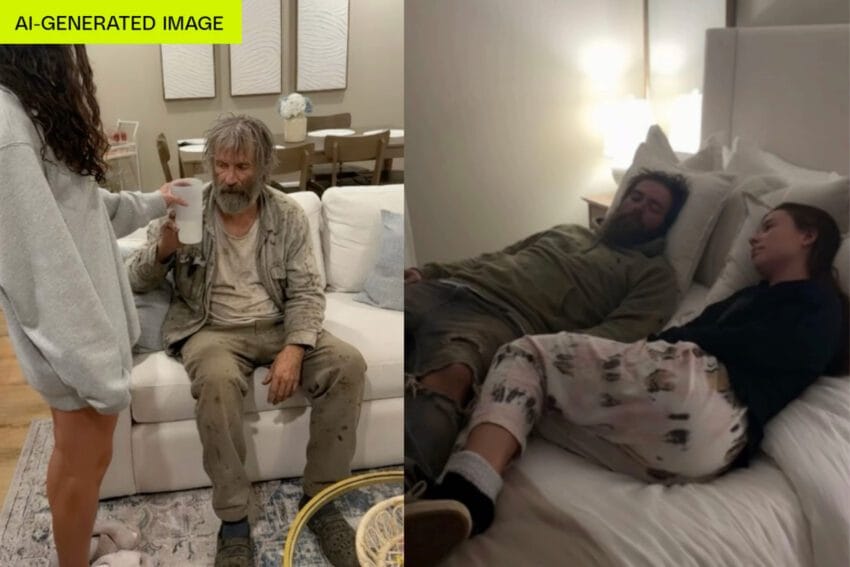
police are asking kids to stop pulling Police departments are urging teenagers to cease a viral prank involving the use of artificial intelligence to create fake images of a homeless man in their homes, a trend that has sparked concern among parents and law enforcement alike.
police are asking kids to stop pulling
The Emergence of the AI Homeless Man Prank
In an age where technology is rapidly evolving, the use of artificial intelligence (AI) has permeated various aspects of daily life, from entertainment to communication. However, a new trend among teenagers has raised eyebrows and prompted police warnings. This prank involves using AI tools, particularly those available on platforms like Snapchat, to generate images of a disheveled, seemingly unhoused individual. These images are then sent to parents with fabricated stories about the person being allowed into their home.
How the Prank Works
The mechanics of the prank are straightforward yet troubling. Teenagers create an image of a grimy man using AI and then tell their parents that they have allowed this individual into their home for various reasons, such as needing to use the bathroom, take a nap, or grab a drink of water. Often, the fabricated narrative includes claims that the individual knows the parents from work or college, adding a layer of believability to the ruse.
As the prank unfolds, parents typically react with alarm and concern, demanding that their children remove the stranger from their home. This reaction is often captured on video by the teenagers, who then post the clips on TikTok, where they can garner millions of views. While the intention may be to entertain, the implications of such actions are far-reaching and concerning.
Consequences of the Prank
What begins as a seemingly harmless prank can quickly escalate into a serious situation. When parents perceive a threat to their home and family, their instinct is often to call the authorities. This is where the prank transitions from a lighthearted joke to a potentially dangerous scenario.
Impact on Law Enforcement
Police departments are taking these calls seriously. Reports of home invasions, especially those involving children, are treated as high-priority incidents. As a result, pranks like this can tie up valuable police resources and divert attention from genuine emergencies. Round Rock Police Patrol Division Commander Andy McKinney emphasized the gravity of the situation, stating that such pranks could even lead to a SWAT response, which is reserved for high-risk situations.
In a statement, the Salem, Massachusetts police department articulated the broader implications of this prank, noting that it “dehumanizes the homeless, causes the distressed recipient to panic, and wastes police resources.” Officers responding to these calls are unaware that they are dealing with a prank, treating it as a real burglary in progress. This not only creates a potentially dangerous situation for the pranksters but also for the officers and the community at large.
The Ethical Considerations
Beyond the immediate consequences of the prank, there are ethical considerations that merit discussion. The act of fabricating a story involving a homeless individual raises questions about societal attitudes toward homelessness and the dignity of those who experience it. By using the image of a homeless person as a prop in a prank, teenagers may inadvertently contribute to the stigmatization and dehumanization of a vulnerable population.
Public Reactions
The public response to this prank has been largely negative, with many expressing concern over the implications of such behavior. Parents, in particular, have voiced their disapproval, emphasizing the emotional distress it causes when they believe their children are in danger. The prank not only affects the parents but also perpetuates harmful stereotypes about homelessness.
Social media platforms, including TikTok, have become a double-edged sword in this context. While they provide a platform for creativity and humor, they also enable the rapid spread of potentially harmful trends. The viral nature of these videos can lead to copycat behavior among other teenagers, further exacerbating the issue.
Potential Legal Ramifications
While the prank may seem innocuous at first glance, there are potential legal ramifications that could arise from such actions. Misleading law enforcement can lead to charges related to false reporting or creating a public disturbance. Depending on the jurisdiction, these charges can carry significant penalties, including fines or community service.
Community Impact
The broader community is also affected by these pranks. When police resources are diverted to respond to false alarms, it can strain the department and reduce their ability to respond to actual emergencies. This can lead to longer response times for genuine calls for help, putting the community at risk.
Moreover, the normalization of pranks that involve deception can erode trust between law enforcement and the community. If citizens begin to view police responses as overreactions to pranks, it may diminish their willingness to call for help in real emergencies.
Addressing the Issue
In light of the growing concern surrounding this prank, it is essential for parents, educators, and community leaders to engage in open conversations with teenagers about the implications of their actions. Awareness campaigns that highlight the ethical considerations and potential consequences of such pranks can be effective in curbing this behavior.
Educational Initiatives
Schools can play a pivotal role in addressing this issue by incorporating discussions about digital citizenship and the responsible use of technology into their curricula. Teaching students about the impact of their online behavior and the importance of empathy can foster a more conscientious approach to social media and technology use.
Additionally, community organizations can collaborate with local law enforcement to host workshops that educate teenagers about the legal ramifications of misleading police and the ethical considerations surrounding pranks that involve vulnerable populations.
Conclusion
While pranks have long been a part of youth culture, the advent of advanced technology like AI has introduced new dimensions to what constitutes humor. The AI homeless man prank, while seemingly harmless, carries significant risks and ethical implications that warrant serious consideration. As this trend continues to gain traction on social media, it is crucial for parents, educators, and community leaders to work together to instill a sense of responsibility and empathy in the next generation.
Source: Original report
Was this helpful?
Explore more: AI Automation Services More AI & Automation Tech News
Last Modified: October 12, 2025 at 6:36 pm
14 views