playing wolfenstein 3d with one hand in In 2026, revisiting the classic game Wolfenstein 3D reveals both nostalgia and a stark contrast to modern gaming experiences.
playing wolfenstein 3d with one hand in
Historical Context of Wolfenstein 3D
Released in 1992 by id Software, Wolfenstein 3D is often credited as one of the pioneers of the first-person shooter (FPS) genre. The game emerged during a time when personal computing was gaining traction, and video games were transitioning from simple 2D graphics to more complex 3D environments. The game was initially distributed as shareware, allowing players to experience a portion of the game for free, which contributed to its widespread popularity.
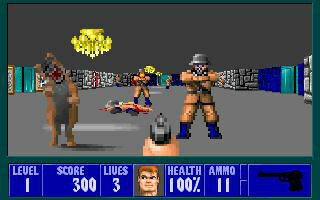
Wolfenstein 3D introduced players to a world filled with Nazi enemies, secret rooms, and a variety of weapons, all presented through a revolutionary first-person perspective. This perspective was groundbreaking, providing a sense of immersion that had not been seen in gaming before. The game’s design, while technically limited by the hardware of the time, created a compelling experience that captivated players and set the stage for future developments in the genre.
The Evolution of First-Person Shooters
Since its release, the FPS genre has evolved dramatically. Games like Doom, Quake, and Half-Life built upon the foundation laid by Wolfenstein 3D, introducing more complex mechanics, improved graphics, and richer narratives. The advancements in technology have allowed developers to create expansive worlds with intricate details, realistic physics, and sophisticated AI. As a result, the gameplay experience has become more immersive and engaging.
In contrast, returning to Wolfenstein 3D in 2026 can feel like stepping back in time. The game’s graphics, while revolutionary in the early ’90s, appear simplistic and dated compared to modern titles. The lack of vertical gameplay and the absence of features such as cover mechanics, advanced enemy AI, and dynamic environments highlight the limitations of the original design. However, this does not diminish the game’s historical significance; rather, it underscores how far the genre has come.
Playing Wolfenstein 3D in 2026
Experiencing Wolfenstein 3D today is akin to visiting a vintage car museum and taking a Model T for a spin. The nostalgia is palpable, but the gameplay can feel clunky and disjointed compared to contemporary standards. The controls, which were once intuitive, may now seem cumbersome, especially for players accustomed to the fluid mechanics of modern shooters.
One of the most notable aspects of playing Wolfenstein 3D is the simplicity of its design. The game features straightforward objectives: navigate through levels, defeat enemies, and collect items. This simplicity can be refreshing in an era where many games are laden with complex mechanics and intricate storylines. However, it can also lead to moments of frustration, particularly when players encounter the game’s limitations.
Modern Accessibility Features
As gaming technology has advanced, so too have the efforts to make games more accessible to a broader audience. In 2026, many modern games incorporate features that allow players with disabilities to enjoy the experience fully. This includes customizable controls, visual aids, and various gameplay options that cater to different needs.
Playing Wolfenstein 3D with one hand, for instance, presents unique challenges. The original control scheme was designed for a keyboard and mouse setup, which may not be suitable for all players. However, advancements in adaptive technology have made it possible for players to modify controls to suit their needs. This adaptability allows individuals to experience the game in a way that was not possible during its initial release.
The Cultural Impact of Wolfenstein 3D
Wolfenstein 3D’s influence extends beyond its gameplay mechanics. The game played a crucial role in shaping the gaming landscape and has left a lasting imprint on popular culture. Its themes of war, heroism, and resistance against tyranny resonate with players and have been echoed in numerous titles since.
The game’s portrayal of Nazi enemies has sparked discussions about the representation of historical figures in video games. While some argue that such portrayals can trivialize serious issues, others contend that they serve as a reminder of the past and the importance of standing against oppression. This discourse continues to evolve as new generations of players engage with the game and its themes.
Community and Modding
Another significant aspect of Wolfenstein 3D’s legacy is its vibrant community. The game has inspired countless mods and fan creations over the years, showcasing the creativity and passion of its player base. These modifications often enhance the original experience, introducing new levels, enemies, and gameplay mechanics that breathe new life into the classic title.
In 2026, the modding community remains active, with players continuing to create and share their interpretations of Wolfenstein 3D. This ongoing engagement not only keeps the game relevant but also fosters a sense of camaraderie among fans. The ability to customize and expand upon the original game highlights the enduring appeal of Wolfenstein 3D and its place in gaming history.
Reflections on Nostalgia and Innovation
Returning to Wolfenstein 3D in 2026 evokes a mix of nostalgia and reflection on the evolution of gaming. While the game’s limitations are evident, its historical significance cannot be understated. It serves as a reminder of the creativity and innovation that characterized the early days of the FPS genre.
As players navigate the familiar corridors of Castle Wolfenstein, they are not only revisiting a classic game but also reflecting on the journey of the gaming industry as a whole. The advancements in technology, design, and accessibility have transformed the landscape, but the foundational elements established by Wolfenstein 3D continue to resonate.
Looking Ahead
The future of gaming is undoubtedly bright, with new technologies such as virtual reality, augmented reality, and artificial intelligence poised to reshape the industry once again. As developers continue to push the boundaries of what is possible, the lessons learned from classics like Wolfenstein 3D will remain relevant.
In an era where gaming is increasingly recognized as a legitimate form of art and storytelling, the importance of preserving and revisiting classic titles cannot be overstated. They provide valuable insights into the evolution of game design and serve as a reminder of the creativity that has driven the industry forward.
Conclusion
Playing Wolfenstein 3D in 2026 is a unique experience that highlights both the nostalgia of a bygone era and the advancements that have shaped modern gaming. While the game may feel archaic by today’s standards, its impact on the FPS genre and gaming culture as a whole is undeniable. As players continue to engage with this classic title, they are not only celebrating its legacy but also reflecting on the ongoing evolution of the gaming landscape.
Source: Original report
Was this helpful?
Explore more: More Gaming Tech News Blog
Last Modified: March 28, 2026 at 7:36 am
15 views