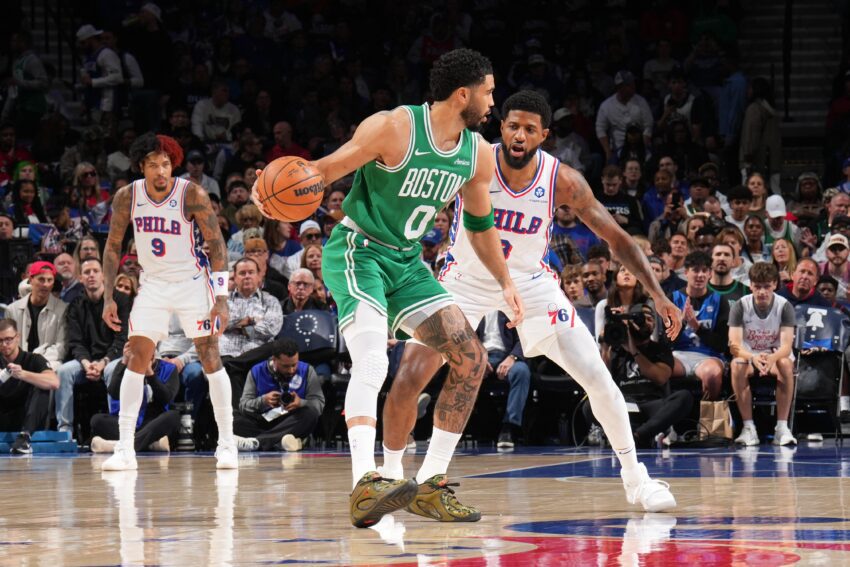
players from the nba nfl and mlb Professional athletes from major sports leagues are advocating for a ban on betting platforms that allow wagers on player underperformance or injuries.
players from the nba nfl and mlb
Background on Prediction Markets
Prediction markets are platforms where users can place bets on the outcomes of various events, including sports performances. These markets have gained traction in recent years, particularly with the rise of online betting. Unlike traditional betting, which focuses on the outcomes of games, prediction markets allow users to bet on specific player performances, including whether a player will exceed or fall short of statistical benchmarks.
As the landscape of sports betting evolves, so too do the concerns surrounding it. The potential for abuse and harassment directed at players has prompted unions representing athletes across major leagues to take a stand. The unions argue that betting on a player’s underperformance can lead to negative consequences for the athletes, both on and off the field.
Unions’ Call to Action
The unions representing players from the NBA, NFL, MLB, NHL, and MLS have collectively voiced their concerns in a letter addressed to the Commodity Futures Trading Commission (CFTC). This letter was a response to the CFTC’s request for comments regarding the regulation of prediction markets. The unions emphasize the need for “appropriate regulations” to protect athletes and their families from what they describe as “abusive and harassing behavior.”
Specific Concerns Raised
In their letter, the unions specifically call for a ban on betting platforms that allow users to wager on a player’s underperformance or injury. They argue that such betting practices can create a hostile environment for athletes, as it may incentivize negative behavior among fans and bettors. The unions contend that when individuals have a financial stake in a player’s failure, it can lead to harassment and undue pressure on the athlete.
Furthermore, the unions highlight the psychological toll that betting-related harassment can have on players. Athletes are already under immense pressure to perform at their best, and the added stress of knowing that some fans are betting against them can exacerbate mental health issues. The unions believe that banning these types of bets would contribute to a healthier environment for athletes.
The CFTC’s Role in Regulation
The Commodity Futures Trading Commission is the federal agency responsible for regulating the U.S. derivatives markets, including futures, swaps, and certain types of options. As the popularity of prediction markets grows, the CFTC has been tasked with determining how to regulate these platforms effectively. The agency’s request for comments indicates that it is open to feedback from various stakeholders, including athletes, leagues, and betting operators.
By engaging with the CFTC, the unions aim to influence the regulatory framework surrounding prediction markets. They hope to ensure that the interests of athletes are considered in any forthcoming regulations. The unions argue that the current lack of oversight in this area poses risks not only to players but also to the integrity of the sports themselves.
Potential Implications of Betting on Underperformance
The implications of allowing bets on player underperformance extend beyond individual athletes. If such betting practices are normalized, they could undermine the integrity of sports competitions. The potential for collusion or manipulation increases when financial incentives are tied to a player’s failure. This could lead to a loss of trust among fans, sponsors, and other stakeholders in the sports industry.
Moreover, the normalization of betting on underperformance could set a dangerous precedent. It may encourage a culture where athletes are viewed as commodities rather than individuals with their own rights and well-being. This shift in perspective could have long-lasting effects on how athletes are treated by fans, media, and even their own teams.
Stakeholder Reactions
The response from various stakeholders has been mixed. While many athletes and their representatives support the unions’ call for a ban on underperformance betting, some betting operators argue that such regulations could stifle innovation in the industry. They contend that prediction markets provide a unique way for fans to engage with sports and that banning certain types of bets could limit consumer choice.
On the other hand, sports leagues have generally been supportive of the unions’ position. The leagues recognize the potential risks associated with betting on player underperformance and have expressed a commitment to protecting their athletes. This alignment between leagues and players is significant, as it demonstrates a unified front in addressing the challenges posed by the evolving landscape of sports betting.
Legal and Ethical Considerations
The legal landscape surrounding sports betting is complex and varies from state to state. As more states legalize sports betting, the regulatory framework continues to evolve. The CFTC’s role in overseeing prediction markets adds another layer of complexity, as it must navigate the intersection of federal and state regulations.
Ethically, the question of whether it is appropriate to allow bets on player underperformance raises significant concerns. Many argue that athletes should not be subjected to financial incentives that encourage their failure. The ethical implications extend to the broader societal impact of normalizing such betting practices, which could contribute to a culture of exploitation.
Conclusion
The call from unions representing NBA, NFL, MLB, NHL, and MLS players for a ban on betting on underperformance highlights the urgent need for regulatory action in the realm of prediction markets. As the CFTC considers the feedback from various stakeholders, it is crucial to prioritize the well-being of athletes and the integrity of sports. The potential consequences of allowing such bets could have far-reaching implications, not only for individual players but for the entire sports ecosystem.
As the conversation surrounding sports betting continues to evolve, it is essential for all stakeholders—athletes, leagues, regulators, and fans—to engage in a constructive dialogue. The future of sports betting should prioritize the health and safety of athletes while also allowing for innovation and engagement within the industry.
Source: Original report
Was this helpful?
Explore more: More General Technology Tech News Blog
Last Modified: May 1, 2026 at 10:38 pm
9 views