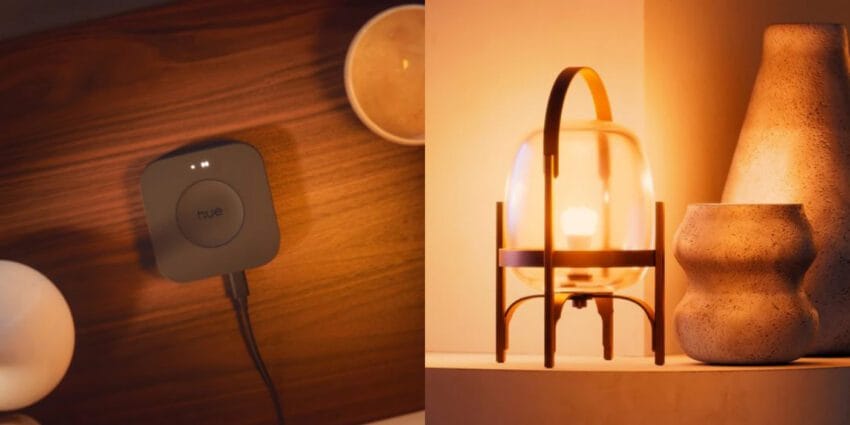
philips hue may use this clever method Philips Hue is set to revolutionize smart lighting with a new feature that could transform existing light bulbs into motion sensors.
philips hue may use this clever method
Overview of the New Philips Hue Collection
As anticipation builds for the upcoming launch of Philips Hue’s latest collection, a recent leak on Amazon has unveiled not only the new product lineup but also an innovative method that could enhance the functionality of existing Hue bulbs. This development is particularly significant for users looking to maximize their smart home ecosystems without the need for additional hardware.
Details of the Leak
The leak, which surfaced just ahead of the official announcement, provides a comprehensive look at the new Philips Hue products. This includes a variety of light fixtures, bulbs, and accessories designed to integrate seamlessly into smart home environments. The highlight of this collection is the Bridge Pro, which is expected to play a crucial role in enabling existing Philips Hue bulbs to function as motion sensors.
Bridge Pro: The Heart of the New System
The Bridge Pro is designed to enhance the capabilities of Philips Hue lighting systems. Traditionally, smart lighting systems require separate motion sensors to detect movement and trigger lights accordingly. However, the Bridge Pro aims to eliminate this need by utilizing existing Hue bulbs as motion sensors. This innovation could significantly reduce costs for consumers and simplify the setup process for smart home systems.
How Will the Motion Sensor Feature Work?
The method by which the Bridge Pro will enable Hue bulbs to act as motion sensors is both clever and efficient. While specific technical details remain somewhat unclear, the concept revolves around the use of light and infrared technology. By leveraging the existing hardware in Hue bulbs, the Bridge Pro can detect changes in the environment, such as movement, and respond accordingly.
Technical Mechanism
Although the exact mechanics of this feature have not been fully disclosed, it is believed that the Bridge Pro will utilize the bulbs’ ability to emit and detect light in conjunction with infrared signals. This dual-functionality could allow the bulbs to sense when someone enters a room and automatically adjust the lighting based on predefined settings. For instance, lights could turn on when motion is detected and dim or turn off when the room is empty.
Potential Benefits
The integration of motion sensor capabilities into existing Hue bulbs presents several advantages:
- Cost Efficiency: Users will not need to purchase additional motion sensors, which can often be expensive and require separate installations.
- Simplified Setup: By using existing bulbs, the setup process becomes more straightforward, reducing the complexity often associated with smart home installations.
- Enhanced Functionality: This feature adds a layer of automation to smart lighting systems, allowing for more responsive and intelligent home environments.
Implications for Smart Home Ecosystems
The introduction of this feature could have far-reaching implications for the smart home market. As more consumers seek to create interconnected environments, the ability to repurpose existing devices for new functionalities will likely become a key selling point.
Market Trends
The smart home industry has seen a significant uptick in demand for devices that offer multifunctionality. Consumers are increasingly looking for solutions that not only provide basic functionalities but also adapt to their evolving needs. Philips Hue’s approach aligns with this trend, positioning the brand as a leader in innovation within the smart lighting sector.
Stakeholder Reactions
Initial reactions from industry experts and consumers have been largely positive. Many see the potential for Philips Hue to set a new standard in smart lighting. Experts have noted that this move could encourage other manufacturers to explore similar innovations, thereby enhancing competition and driving further advancements in smart home technology.
Challenges and Considerations
While the prospect of turning existing bulbs into motion sensors is exciting, there are challenges and considerations that Philips Hue will need to address.
Technical Limitations
One of the primary concerns revolves around the technical limitations of current Hue bulbs. Not all bulbs may be equipped to handle the additional functionality without compromising performance. Philips will need to ensure that the Bridge Pro is compatible with a wide range of existing products to maximize its appeal.
User Privacy and Security
Another critical consideration is user privacy. As smart devices become more integrated into daily life, concerns about data security and privacy are paramount. Philips Hue will need to implement robust security measures to protect user data and ensure that the motion sensor feature does not inadvertently compromise privacy.
Future Prospects for Philips Hue
Looking ahead, the potential for Philips Hue to expand its product offerings is vast. The integration of motion sensor capabilities is just one example of how the brand can innovate within the smart home space. As technology continues to evolve, Philips Hue has the opportunity to lead the way in creating more intelligent and responsive lighting solutions.
Expansion into Other Smart Home Features
Beyond motion sensing, Philips Hue could explore additional functionalities that enhance user experience. For instance, integrating voice control, advanced scheduling, and even AI-driven adaptive lighting could further elevate the brand’s offerings. Such advancements would not only improve user convenience but also contribute to energy efficiency, a growing concern among consumers.
Collaboration with Other Smart Home Brands
Collaboration with other smart home brands could also be a strategic move for Philips Hue. By partnering with manufacturers of smart security systems, home automation devices, and even appliances, Philips could create a more cohesive smart home ecosystem. This would allow users to control various aspects of their home environment from a single platform, further enhancing the appeal of Philips Hue products.
Conclusion
The upcoming launch of the new Philips Hue collection, particularly the Bridge Pro’s ability to turn existing bulbs into motion sensors, represents a significant advancement in smart lighting technology. As the smart home market continues to grow, innovations like these will be crucial for maintaining consumer interest and driving further adoption. With a focus on cost efficiency, simplified setup, and enhanced functionality, Philips Hue is well-positioned to lead the charge in transforming how we interact with our home environments.
philips hue may use this clever method Source: Original report
Was this helpful?
Explore more: More Hardware & Devices Tech News Blog
Last Modified: September 8, 2025 at 6:33 pm
6 views