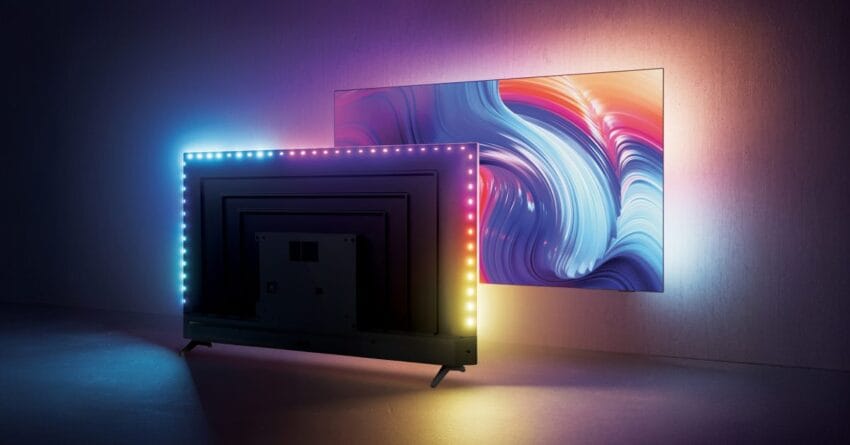
philips ambilight tvs finally come to us Philips has officially launched its innovative “Ambilight” TVs in the United States, featuring a built-in lightstrip effect that enhances the viewing experience, although they will not include Google TV.
philips ambilight tvs finally come to us
Introduction to Ambilight Technology
Philips has long been recognized for its pioneering advancements in television technology, and the Ambilight feature stands out as one of its most distinctive offerings. Introduced in 2004, Ambilight uses LED lights positioned on the back of the TV to project colors that correspond to the on-screen action. This creates an immersive viewing experience by extending the colors beyond the screen and into the room. The technology has garnered a loyal following in Europe, where Philips TVs have been a staple in many households.
Launch of Ambilight TVs in the US
As of today, Philips has made its Ambilight TVs available in the US market, a move that has been highly anticipated by tech enthusiasts and consumers alike. The initial offering includes a range of Roku TVs, which integrate the Ambilight technology with the popular Roku operating system. This combination aims to provide users with both an immersive viewing experience and easy access to a wide array of streaming services.
Features of the New Philips Ambilight TVs
The newly launched Philips Ambilight TVs come equipped with several features designed to enhance user experience:
- Built-in Lightstrip: The Ambilight feature utilizes a lightstrip that projects colors onto the wall behind the TV, creating a dynamic ambiance that changes in real-time with the content being viewed.
- Roku Integration: By incorporating the Roku operating system, users can easily navigate through a plethora of streaming services, including Netflix, Hulu, and Amazon Prime Video, all from a single interface.
- 4K Resolution: The TVs support 4K resolution, ensuring that viewers enjoy crisp and clear images, enhancing the overall viewing experience.
- HDR Support: High Dynamic Range (HDR) support allows for a broader range of colors and contrasts, making images more vibrant and lifelike.
- Smart Features: The TVs come with built-in voice control capabilities, allowing users to operate the TV using voice commands, further simplifying the user experience.
Absence of Google TV
Despite the excitement surrounding the launch, one notable absence is the lack of Google TV integration. Many consumers have come to expect Google TV as a standard feature in modern smart TVs, given its extensive library of apps and user-friendly interface. Philips has opted for Roku instead, which may raise questions among potential buyers about the decision.
Implications of Not Including Google TV
The decision to exclude Google TV may have several implications:
- Market Positioning: By choosing Roku, Philips may be targeting a different segment of the market that prefers Roku’s interface and ecosystem. Roku has a strong presence in the US and is known for its simplicity and ease of use.
- Consumer Preferences: Some consumers may prefer the extensive app offerings and features of Google TV, which could impact their purchasing decisions. The absence of Google TV may deter tech-savvy users who are accustomed to its functionalities.
- Future Updates: The lack of Google TV may also raise concerns about future software updates and features. Google TV frequently receives updates that enhance user experience, and consumers may wonder if Roku will provide similar support.
Market Reception and Stakeholder Reactions
The launch of Philips Ambilight TVs in the US has generated a mixed response from industry analysts and consumers. While many are excited about the unique Ambilight feature, others express concerns regarding the lack of Google TV.
Consumer Enthusiasm
Many consumers have expressed enthusiasm about the Ambilight technology, citing its potential to transform the home viewing
Was this helpful?
Explore more: More Consumer Technology Tech News Blog
Last Modified: October 1, 2025 at 7:58 pm
20 views