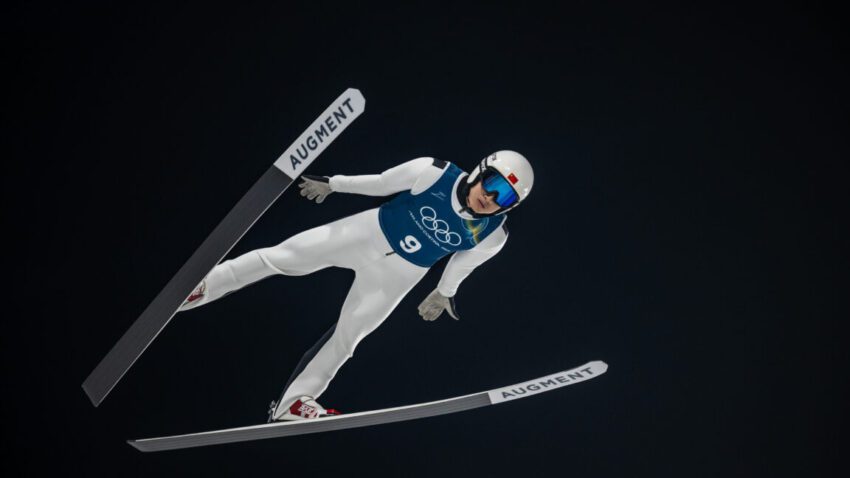
penisgate erupts at olympics scandal exposes risks As the 2026 Olympic Winter Games begin today, news articles are swelling with juicy claims that male ski jumpers have injected their penises with fillers to gain a flight advantage.
penisgate erupts at olympics scandal exposes risks
The Origins of the Scandal
The rumors surrounding the so-called “Penisgate” scandal have emerged as a shocking development in the world of competitive ski jumping. The allegations suggest that male athletes are resorting to extreme measures to enhance their performance, specifically by altering their physical appearance to gain an edge in the sport. This practice reportedly involves injecting fillers into their genital area, which could potentially provide a competitive advantage during the pre-season 3D body scans that are required for jumpsuit fittings.
The rationale behind this unusual tactic is based on the physics of ski jumping. A larger bulge in the jumpsuit could lead to a more aerodynamic design, allowing for improved lift and reduced drag during jumps. According to a simulation-based study published in the journal Frontiers in Sports and Active Living in 2025, even a seemingly insignificant increase in the size of a jumpsuit can have a substantial impact on performance. The study found that every additional 2 cm of fabric in a ski jumpsuit could increase drag by approximately 4 percent and lift by about 5 percent. In practical terms, this translates to an increase of nearly 5.8 meters in jump distance, a significant advantage in a sport where every centimeter counts.
Previous Incidents of Cheating
The current scandal is not the first time ski jumping has been marred by allegations of cheating. Last year, two Norwegian Olympic medalists, Marius Lindvik and Johann Andre Forfang, along with three team officials, faced serious accusations after an anonymous video surfaced. The footage showed the head coach and a suit technician illegally restitching the crotch area of the jumpers’ suits to make them larger, a clear violation of the sport’s regulations. As a consequence, Lindvik and Forfang received three-month suspensions, while the head coach, an assistant coach, and the technician were handed harsher penalties, including an 18-month ban from the sport.
This incident highlighted the lengths to which some athletes and their teams are willing to go to gain a competitive advantage. The repercussions of such actions extend beyond individual athletes; they can tarnish the reputation of the entire sport and undermine the integrity of the Olympic Games. The current allegations of filler injections only serve to exacerbate these concerns, raising questions about the ethical boundaries of performance enhancement in sports.
The Implications of Performance Enhancement
The implications of the “Penisgate” scandal extend far beyond the ski jumping community. It raises critical questions about the nature of competition and the lengths to which athletes will go to achieve success. The use of fillers and other performance-enhancing methods challenges the fundamental principles of fair play and sportsmanship, which are central to the Olympic ethos.
Moreover, the scandal could have broader implications for regulatory bodies and governing organizations within the sport. As the International Olympic Committee (IOC) and other sports federations grapple with the challenges posed by performance enhancement, they may need to reevaluate their policies and testing protocols. The emergence of new technologies and methods for enhancing performance complicates the landscape, making it increasingly difficult to enforce existing rules and regulations.
Stakeholder Reactions
The reactions from various stakeholders in the ski jumping community have been mixed. Some athletes have expressed outrage at the allegations, emphasizing the importance of maintaining the integrity of the sport. Others have taken a more pragmatic approach, acknowledging that performance enhancement is a reality in competitive sports and that the focus should be on creating a level playing field for all athletes.
Coaches and team officials have also weighed in on the controversy. Many have called for stricter regulations and more rigorous testing to deter athletes from resorting to unethical practices. The potential for reputational damage is a significant concern, as teams and sponsors may distance themselves from athletes involved in scandals. This could have financial implications for those athletes, as well as for the sport as a whole.
The Role of Technology in Sports
The “Penisgate” scandal also highlights the increasing intersection of technology and sports. As advancements in medical technology continue to evolve, the potential for athletes to enhance their performance through unconventional means becomes more pronounced. This raises ethical questions about the role of technology in sports and the responsibilities of athletes, coaches, and governing bodies in regulating its use.
In recent years, there has been a growing trend toward the use of technology in sports, from advanced training equipment to data analytics that inform performance strategies. While these advancements can enhance the competitive landscape, they also create opportunities for misuse. The challenge for sports organizations is to strike a balance between embracing innovation and ensuring that competition remains fair and equitable.
Public Perception and Media Coverage
The media coverage surrounding the “Penisgate” scandal has been extensive, with headlines capturing the public’s attention and sparking conversations about ethics in sports. The sensational nature of the allegations has led to widespread speculation and debate, with many questioning the motivations behind such extreme measures. Public perception plays a crucial role in shaping the narrative around the scandal, influencing how athletes, coaches, and governing bodies respond to the allegations.
Social media has amplified the discussion, with fans and commentators weighing in on the implications of the scandal. The potential for reputational damage is significant, as public opinion can shift rapidly in response to emerging information. Athletes involved in the scandal may face backlash from fans and sponsors, impacting their careers and financial prospects.
The Future of Ski Jumping
As the 2026 Olympic Winter Games unfold, the “Penisgate” scandal serves as a cautionary tale for the world of ski jumping and competitive sports at large. The incident underscores the need for ongoing vigilance in maintaining the integrity of competition and ensuring that athletes adhere to ethical standards. The fallout from this scandal could lead to changes in regulations, testing protocols, and public perception of the sport.
Looking ahead, it is essential for governing bodies to address the challenges posed by performance enhancement and to foster a culture of transparency and accountability within the sport. By prioritizing ethical practices and promoting fair competition, the ski jumping community can work to rebuild trust and ensure that the focus remains on the athletes’ skills and dedication rather than on controversial tactics.
Conclusion
The “Penisgate” scandal has ignited a firestorm of controversy in the world of ski jumping, raising critical questions about the ethics of performance enhancement and the lengths to which athletes will go to gain a competitive edge. As the 2026 Olympic Winter Games commence, the implications of this scandal will reverberate throughout the sport, prompting discussions about integrity, fairness, and the future of competitive athletics.
Source: Original report
Was this helpful?
Last Modified: February 7, 2026 at 2:36 pm
16 views