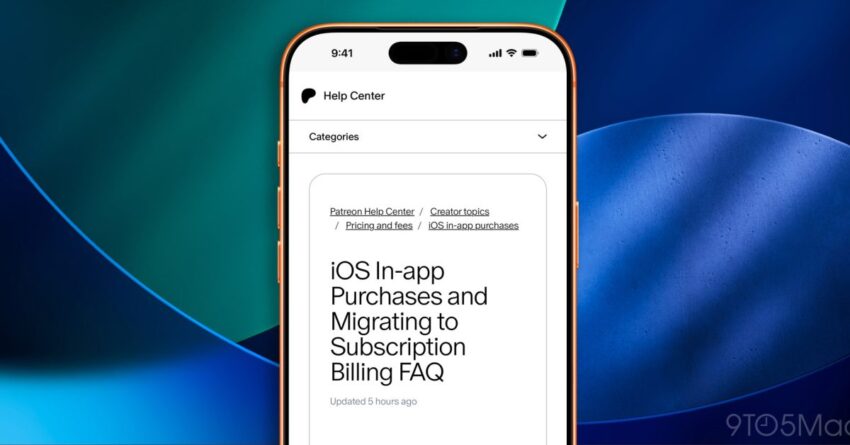
patreon criticizes apple s renewed in-app purchase Patreon has expressed its discontent regarding Apple’s renewed mandate requiring the platform to utilize the App Store’s in-app purchase system by November 2026, although it has agreed to comply with the directive.
patreon criticizes apple s renewed in-app purchase
Background on Apple’s In-App Purchase Mandate
Apple has long enforced a policy that mandates developers to use its in-app purchase (IAP) system for digital goods and services sold through apps on its platform. This policy has been a point of contention for many developers, who argue that the 30% commission Apple takes from these transactions is excessive. The IAP system is designed to streamline transactions and enhance security for users, but it has also drawn criticism for limiting developers’ revenue potential.
In recent years, this mandate has faced scrutiny from various stakeholders, including developers, regulators, and consumer advocacy groups. The European Union, for example, has been exploring regulations that could limit the power of major tech companies like Apple and Google over app distribution and payment systems. In light of these pressures, Apple has occasionally adjusted its policies, but the core requirement for IAP has remained largely intact.
Patreon’s Position
Patreon, a platform that allows creators to earn a living by providing exclusive content to their subscribers, has been vocal about its opposition to Apple’s IAP requirements. The company argues that the 30% commission significantly impacts creators’ earnings, making it difficult for them to sustain their businesses. In a statement, Patreon emphasized that its model is built on providing value to creators, and the IAP mandate undermines that mission.
Financial Implications for Creators
The financial implications of Apple’s IAP mandate are significant for creators who rely on platforms like Patreon. Many creators operate on thin margins, and the additional costs associated with Apple’s commission can be detrimental. For example, if a creator charges $10 for a subscription, Apple would take $3, leaving the creator with only $7. This reduction can discourage creators from using the platform and may lead them to seek alternative revenue streams that do not involve Apple’s ecosystem.
Patreon’s Compliance and Future Plans
Despite its criticisms, Patreon has agreed to comply with Apple’s mandate. The company has stated that it will work towards transitioning all remaining creators to the IAP system by the November 2026 deadline. This compliance indicates that, while Patreon disagrees with the policy, it recognizes the necessity of adapting to the App Store’s rules to maintain its presence on the platform.
Patreon has not provided specific details on how it plans to implement this transition, but it is likely to involve significant adjustments to its existing payment infrastructure. The company may need to develop new features that integrate seamlessly with Apple’s IAP system while still offering value to creators and subscribers. This could include enhanced analytics, improved user experience, and more flexible pricing models that accommodate the commission structure.
Stakeholder Reactions
The reaction to Apple’s renewed mandate has been mixed among stakeholders. While some creators have expressed concern about the financial implications, others have noted that compliance may be necessary to ensure their continued access to a large user base through the App Store.
Creators’ Concerns
Many creators have voiced their frustration over the IAP mandate. Some have taken to social media to express their concerns, arguing that the commission structure disproportionately affects smaller creators who may not have the same financial resources as larger entities. The sentiment among these creators is that they should have the freedom to choose how they monetize their content without being subjected to high fees imposed by a third party.
Industry Analysts’ Perspectives
Industry analysts have weighed in on the situation, noting that Apple’s IAP mandate reflects a broader trend of tech companies exerting control over digital marketplaces. Some analysts argue that this control can stifle innovation and limit competition, ultimately harming consumers. They suggest that regulatory bodies may need to step in to create a more equitable environment for developers and creators.
Regulatory Landscape
The regulatory landscape surrounding app marketplaces is evolving. Governments around the world are increasingly scrutinizing the practices of major tech companies, including Apple. In the European Union, for example, new regulations are being considered that would require platforms to allow alternative payment methods. This could potentially alter the dynamics of the app ecosystem and challenge Apple’s longstanding policies.
In the United States, lawmakers have also begun to explore legislation aimed at increasing competition in digital marketplaces. The outcome of these regulatory efforts could have significant implications for Apple’s IAP mandate and its overall business model.
Implications for the Future
The implications of Apple’s renewed IAP mandate extend beyond just Patreon and its creators. As the regulatory landscape shifts, other platforms may also find themselves facing similar challenges. The outcome of these developments could reshape the way digital goods and services are monetized across various platforms.
Potential for Alternative Payment Systems
If regulatory bodies push for changes to Apple’s payment policies, it could open the door for alternative payment systems within apps. This would allow developers to bypass Apple’s IAP system and potentially reduce costs for both themselves and their users. Such a shift could foster a more competitive environment, encouraging innovation and providing consumers with more choices.
Impact on App Store Ecosystem
The App Store ecosystem is heavily reliant on the revenue generated through IAP. If more developers begin to adopt alternative payment methods, it could significantly impact Apple’s bottom line. The company may need to reevaluate its commission structure and policies to remain competitive in a changing landscape.
Conclusion
Patreon’s agreement to comply with Apple’s renewed in-app purchase mandate underscores the ongoing tension between tech giants and the developers that rely on their platforms. While the company has expressed its disagreement with the policy, it recognizes the necessity of adapting to Apple’s rules to maintain access to a vast user base. As the regulatory landscape evolves, the implications of this mandate may extend far beyond Patreon, potentially reshaping the future of app marketplaces and the way digital content is monetized.
Source: Original report
Was this helpful?
Last Modified: January 29, 2026 at 4:45 am
0 views