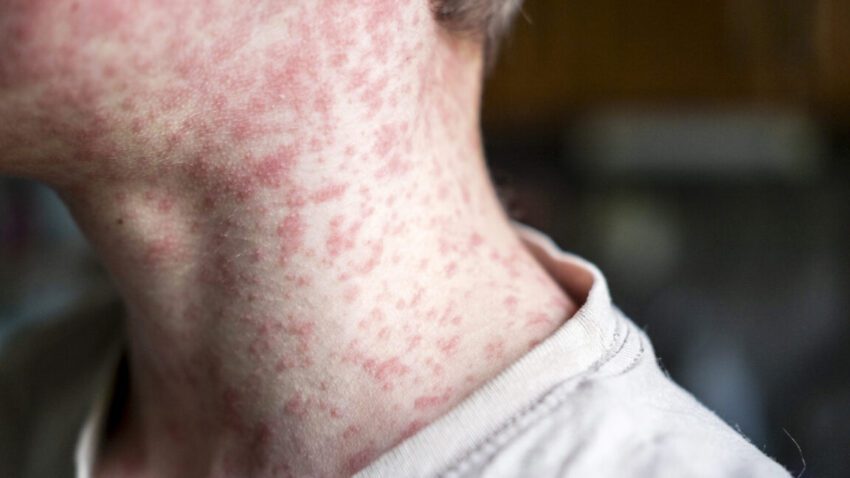
over 250 people quarantined in south carolina A significant measles outbreak in South Carolina has led to the quarantine of over 250 individuals as health officials grapple with the rapid spread of the virus.
over 250 people quarantined in south carolina
Current Status of the Outbreak
As of the latest update, South Carolina has reported a total of 111 confirmed cases of measles since the outbreak began in early October. The situation has escalated dramatically, with 27 new cases reported in just a few days, specifically from the previous Friday to Tuesday. This surge in cases has raised alarms among health officials, who are concerned about the potential for the outbreak to spread further.
Comparison with Other States
The South Carolina outbreak is not an isolated incident. It is part of a larger trend of measles outbreaks occurring across the United States. Notably, Utah and Arizona are also experiencing significant outbreaks, with reported cases of 115 and 176, respectively. These numbers indicate a troubling resurgence of a disease that had been largely under control due to effective vaccination efforts.
The implications of these outbreaks are severe. The United States achieved measles elimination status in 2000, a designation that was reaffirmed in 2020 following extensive vaccination campaigns. However, the current outbreaks threaten to reverse this progress. If the transmission of the virus continues unabated into January, it will have circulated for 12 consecutive months, officially marking it as an endemic disease once again within the country.
Details of the South Carolina Outbreak
In South Carolina, the latest update from the state’s health department indicates that the spread of measles is far from over. A significant portion of the new cases—16 out of the 27 reported—have been linked to exposure at the Way of Truth Church in Inman. This particular church has emerged as a focal point for the outbreak, raising concerns about community transmission.
School Exposures and Quarantine Measures
In addition to the church-related cases, new exposures have been identified at Inman Intermediate School. This adds to the already alarming situation, as previous announcements had already indicated exposures at four other schools in the region. The cumulative effect of these exposures has led to the quarantine of well over 100 students, highlighting the impact of the outbreak on the local educational system.
The decision to quarantine students is a critical public health measure aimed at preventing further transmission of the virus. Quarantine protocols typically involve isolating individuals who have been exposed to the virus for a specified period, usually 14 days, to monitor for symptoms and prevent the spread of the disease to others.
Public Health Response
The South Carolina Department of Health and Environmental Control (DHEC) is actively working to contain the outbreak. Their efforts include contact tracing, vaccination campaigns, and public awareness initiatives. Health officials are urging individuals who have not been vaccinated to do so as a preventive measure against the virus. Vaccination is the most effective way to protect against measles, which is highly contagious and can lead to severe complications, including pneumonia and encephalitis.
Vaccination Rates and Community Response
Despite the availability of vaccines, vaccination rates in some communities have declined in recent years. This decline can be attributed to various factors, including vaccine hesitancy fueled by misinformation and a growing anti-vaccine movement. The current outbreak serves as a stark reminder of the importance of maintaining high vaccination coverage to prevent outbreaks of vaccine-preventable diseases.
Community response to the outbreak has been mixed. While many individuals are supportive of vaccination efforts and public health measures, others remain skeptical. This skepticism can complicate efforts to achieve herd immunity, which requires a significant percentage of the population to be vaccinated to protect those who cannot be vaccinated for medical reasons.
Implications for Public Health Policy
The ongoing measles outbreaks in South Carolina, Utah, and Arizona raise important questions about public health policy and the effectiveness of current vaccination strategies. As the nation grapples with these challenges, health officials are calling for renewed efforts to educate the public about the benefits of vaccination and the risks associated with measles.
Potential Consequences of Continued Outbreaks
If the current outbreaks continue to spread, the consequences could be dire. Not only could the U.S. lose its measles elimination status, but the resurgence of measles could also strain healthcare resources. Hospitals may face increased patient loads, and public health departments could be overwhelmed by the need for contact tracing and vaccination campaigns.
Moreover, the resurgence of measles could have broader implications for public health beyond just the immediate outbreak. It could undermine confidence in vaccines and public health initiatives, leading to further declines in vaccination rates and increased susceptibility to other vaccine-preventable diseases.
Stakeholder Reactions
Reactions to the outbreak have varied among stakeholders. Public health officials have expressed urgency in addressing the situation, emphasizing the need for immediate action to contain the virus. Community leaders, particularly those in affected areas, are also calling for increased awareness and education about the importance of vaccination.
Parents of school-aged children are understandably concerned about the safety of their children in light of the outbreak. Many are advocating for schools to implement stricter health protocols, including vaccination requirements for attendance. This has sparked debates about individual rights versus public health responsibilities, a discussion that is likely to continue as the outbreak unfolds.
Looking Ahead
As the situation develops, it is crucial for health officials, educators, and community leaders to work collaboratively to address the outbreak. Continued monitoring of cases, effective communication with the public, and robust vaccination campaigns will be essential in curbing the spread of measles and protecting public health.
In conclusion, the measles outbreak in South Carolina serves as a critical reminder of the importance of vaccination and public health preparedness. As the nation faces the potential return of endemic measles, it is imperative that all stakeholders come together to combat misinformation, promote vaccination, and ensure the health and safety of communities across the country.
Was this helpful?
Explore more: More General Technology Tech News Blog
Last Modified: December 10, 2025 at 5:35 am
19 views