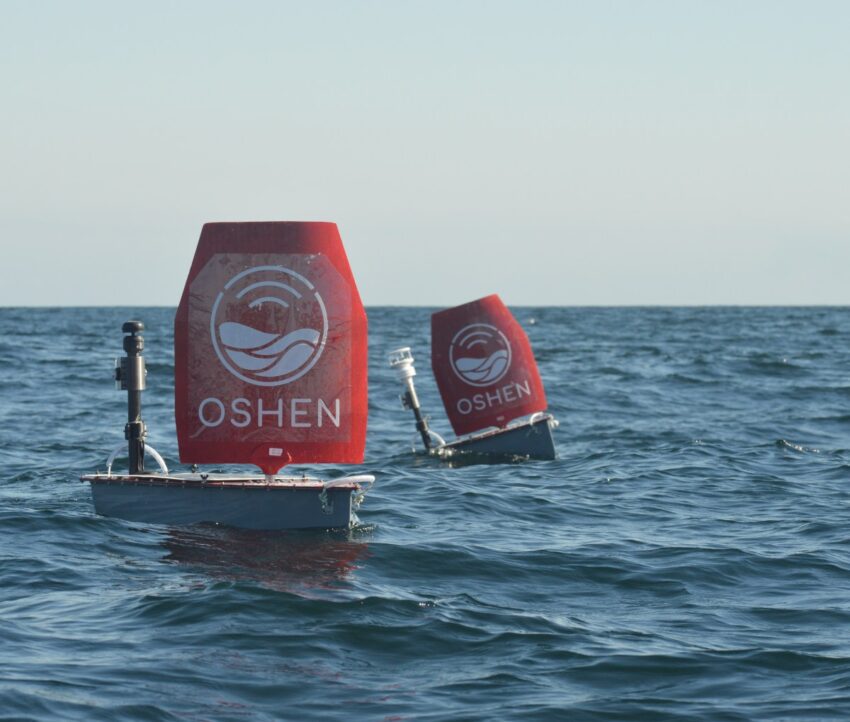
oshen built the first ocean robot to Oshen has developed the first ocean robot capable of collecting data in a Category 5 hurricane, marking a significant advancement in marine technology and disaster preparedness.
oshen built the first ocean robot to
Introduction to Oshen’s C-Star Robots
Oshen, a pioneering technology company, has made headlines with its innovative C-Star robots, designed for autonomous ocean data collection. These robots represent a leap forward in our ability to understand and respond to extreme weather events, particularly hurricanes. The company has recently signed contracts with multiple government agencies, indicating a growing recognition of the importance of real-time data in disaster management and climate research.
Understanding the C-Star Robots
The C-Star robots are engineered to withstand the most severe oceanic conditions, including the intense winds and waves associated with Category 5 hurricanes. These robots are equipped with advanced sensors and communication systems, allowing them to gather critical data on ocean temperature, salinity, and other environmental factors that are crucial for predicting storm behavior and impacts.
Technical Specifications
The C-Star robots boast several key features that enhance their functionality:
- Robust Design: Built to endure extreme weather, the robots are constructed from durable materials that can withstand high-pressure environments.
- Autonomous Operation: The robots can operate independently, reducing the need for human intervention in dangerous conditions.
- Real-Time Data Transmission: Equipped with satellite communication technology, the C-Stars can relay data back to researchers and emergency responders in real-time.
- Energy Efficiency: Utilizing solar panels and advanced battery technology, these robots can operate for extended periods without needing to recharge.
The Importance of Ocean Data in Hurricane Research
Understanding ocean conditions is vital for predicting the behavior of hurricanes. The data collected by the C-Star robots can provide insights into how ocean temperature and salinity affect storm intensity and trajectory. This information is crucial for meteorologists and disaster response teams as they prepare for and respond to hurricanes.
Impact on Weather Prediction Models
Traditionally, data collection in extreme weather conditions has been challenging and often dangerous for human researchers. The introduction of autonomous robots like the C-Star allows for more comprehensive data collection without putting lives at risk. This data can enhance existing weather prediction models, leading to more accurate forecasts and better preparedness for communities in the path of hurricanes.
Climate Change Implications
As climate change continues to impact weather patterns, understanding the relationship between ocean conditions and storm behavior becomes increasingly important. The C-Star robots can help researchers monitor changes in ocean temperatures and other variables over time, contributing to a better understanding of how climate change is influencing hurricane activity.
Government Contracts and Collaborations
Oshen’s recent contracts with various government agencies underscore the growing recognition of the need for advanced ocean monitoring technologies. These partnerships are expected to facilitate the deployment of C-Star robots in critical regions prone to hurricanes.
Stakeholder Reactions
Government officials and researchers have expressed enthusiasm about the potential of the C-Star robots. Many see this technology as a game-changer in the field of meteorology and disaster response.
“The ability to collect real-time data during a hurricane is invaluable,” said Dr. Emily Carter, a leading meteorologist involved in hurricane research. “This technology could save lives by improving our forecasting capabilities and allowing for more timely evacuations.”
Potential Applications Beyond Hurricanes
While the primary focus of the C-Star robots is on hurricane data collection, their capabilities extend to other areas of ocean research. These robots can be utilized for:
- Marine Biology Studies: Collecting data on marine life and ecosystems, particularly in areas affected by climate change.
- Pollution Monitoring: Assessing the impact of human activity on ocean health, including tracking plastic waste and chemical spills.
- Oceanographic Research: Gathering data on currents, tides, and other oceanographic phenomena that influence global climate systems.
Challenges and Considerations
Despite the promising capabilities of the C-Star robots, several challenges remain. The deployment of autonomous robots in extreme conditions requires careful planning and consideration of various factors.
Technical Challenges
Operating in a Category 5 hurricane presents significant technical challenges. The robots must be able to withstand not only high winds and waves but also potential collisions with debris. Continuous improvements in technology will be necessary to ensure the reliability and safety of these robots in such extreme conditions.
Regulatory and Ethical Considerations
The deployment of autonomous robots in public waters raises regulatory and ethical questions. Ensuring that these robots do not interfere with marine life or human activities is crucial. Oshen will need to work closely with regulatory bodies to establish guidelines for safe and responsible use.
Future Prospects for Ocean Robotics
The development of the C-Star robots is just the beginning of a broader trend towards the use of autonomous technology in ocean research. As climate change continues to pose challenges to marine environments and coastal communities, the demand for innovative solutions will only grow.
Advancements in Robotics and AI
Future iterations of ocean robots may incorporate advancements in artificial intelligence, allowing for even more sophisticated data analysis and decision-making capabilities. This could enable robots to adapt their data collection strategies based on real-time conditions, further enhancing their effectiveness.
Collaboration Across Disciplines
The success of ocean robotics will depend on collaboration across various disciplines, including engineering, meteorology, and environmental science. By working together, researchers and technologists can develop solutions that address the complex challenges posed by climate change and extreme weather events.
Conclusion
Oshen’s C-Star robots represent a significant advancement in our ability to collect critical ocean data during extreme weather events. As the technology continues to evolve, it holds the potential to transform our understanding of hurricanes and their impacts on coastal communities. With government contracts in place and growing interest from researchers, the future of ocean robotics looks promising.
As we face an increasingly unpredictable climate, the need for innovative solutions like the C-Star robots will only become more pressing. By harnessing the power of technology, we can improve our preparedness for hurricanes and protect vulnerable communities from the devastating impacts of these natural disasters.
Source: Original report
Was this helpful?
Last Modified: January 17, 2026 at 10:46 pm
7 views