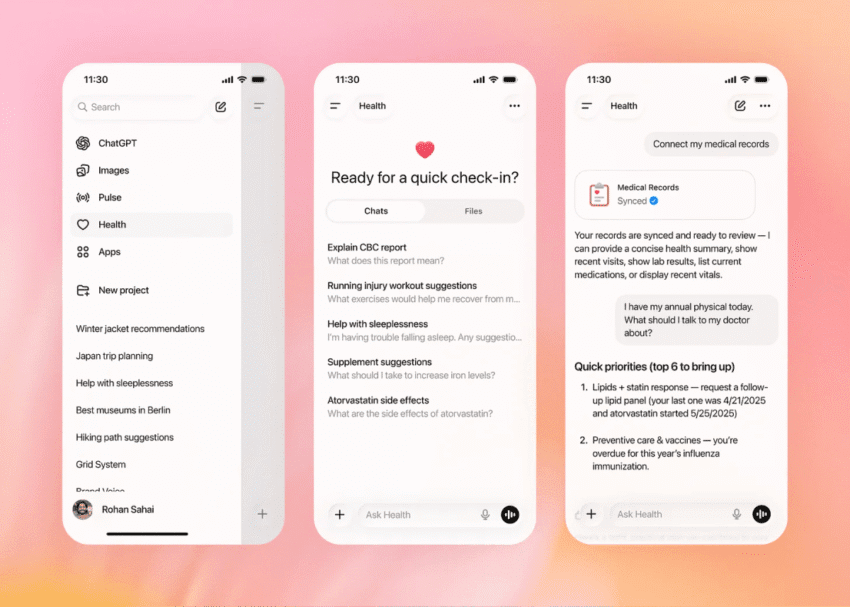
openai unveils chatgpt health says 230 million OpenAI has announced the upcoming launch of ChatGPT Health, a new feature aimed at providing users with a dedicated platform for health-related inquiries.
openai unveils chatgpt health says 230 million
Overview of ChatGPT Health
OpenAI’s ChatGPT Health is set to be introduced in the coming weeks, designed to cater specifically to users seeking information and guidance on health matters. This initiative comes in response to the significant demand for health-related queries, with OpenAI reporting that approximately 230 million users engage with ChatGPT for health advice each week. The feature aims to streamline these interactions, offering a more focused and informative experience.
Purpose and Functionality
The primary goal of ChatGPT Health is to create a specialized environment where users can engage in meaningful conversations about health topics. This includes a wide range of subjects, from general wellness and nutrition to specific medical conditions and treatments. By concentrating on health-related inquiries, OpenAI hopes to enhance the quality of information provided and ensure that users receive accurate and relevant responses.
ChatGPT Health will utilize advanced natural language processing capabilities to understand user queries better and provide tailored responses. The feature is expected to include various functionalities, such as:
- Personalized Health Advice: Users can receive guidance based on their specific health concerns or questions.
- Information on Medical Conditions: The platform will provide detailed information about various medical conditions, including symptoms, causes, and treatment options.
- Wellness Tips: Users will have access to advice on maintaining a healthy lifestyle, including nutrition, exercise, and mental health.
- Medication Information: ChatGPT Health will offer insights into common medications, including their uses, side effects, and interactions.
Context and Rationale
The introduction of ChatGPT Health is timely, considering the increasing reliance on digital platforms for health information. In recent years, more individuals have turned to online resources to seek medical advice, especially during the COVID-19 pandemic, which accelerated the use of telehealth services and digital health tools. OpenAI’s initiative reflects a broader trend in the healthcare landscape, where technology plays an increasingly vital role in patient education and engagement.
Moreover, the rise of misinformation in health-related content online has prompted the need for reliable sources of information. By creating a dedicated space for health discussions, OpenAI aims to mitigate the risks associated with misinformation and provide users with trustworthy guidance. This is particularly important in an era where individuals often encounter conflicting information about health and wellness.
Stakeholder Reactions
The announcement of ChatGPT Health has garnered attention from various stakeholders, including healthcare professionals, technology experts, and users. Many healthcare providers recognize the potential benefits of integrating AI into health discussions. Dr. Emily Chen, a physician specializing in digital health, stated, “AI can serve as a valuable tool for patients seeking information, but it is crucial that such platforms prioritize accuracy and reliability.” This sentiment underscores the importance of ensuring that the information provided by ChatGPT Health is evidence-based and aligns with current medical guidelines.
On the other hand, some experts express caution regarding the use of AI in health-related contexts. Concerns have been raised about the potential for misinterpretation of medical advice and the importance of human oversight. Dr. Mark Thompson, a healthcare policy analyst, commented, “While AI can enhance access to information, it should not replace professional medical advice. Users must be encouraged to consult healthcare providers for personalized care.” This highlights the need for a balanced approach, where AI complements traditional healthcare rather than substitutes it.
Implications for Users
For users, the launch of ChatGPT Health presents several potential advantages. Firstly, it offers a convenient and accessible way to obtain health information without the need for an in-person consultation. This can be particularly beneficial for individuals who may have difficulty accessing healthcare services due to geographical or financial barriers.
Secondly, ChatGPT Health has the potential to empower users by providing them with knowledge about their health. By encouraging individuals to seek information and ask questions, the platform can foster a sense of agency and involvement in their own health management. This aligns with the growing emphasis on patient-centered care, where individuals are encouraged to take an active role in their health decisions.
Challenges and Considerations
Despite the promising aspects of ChatGPT Health, there are several challenges and considerations that OpenAI must address. One of the primary concerns is the accuracy of the information provided. Ensuring that the AI system is trained on reliable and up-to-date medical data is crucial to prevent the dissemination of misinformation. OpenAI will need to establish rigorous protocols for data sourcing and validation to maintain the integrity of the platform.
Additionally, user privacy and data security are paramount in the healthcare domain. As users engage with ChatGPT Health, they may share sensitive information related to their health. OpenAI must implement robust security measures to protect user data and ensure compliance with relevant regulations, such as the Health Insurance Portability and Accountability Act (HIPAA) in the United States.
Future Directions
The launch of ChatGPT Health marks a significant step in the integration of AI into healthcare conversations. Looking ahead, there are several potential developments that could enhance the platform’s capabilities:
- Integration with Telehealth Services: OpenAI could explore partnerships with telehealth providers to offer users seamless access to virtual consultations with healthcare professionals.
- Expansion of Health Topics: Over time, ChatGPT Health could broaden its scope to include specialized areas such as mental health, chronic disease management, and preventive care.
- User Feedback Mechanisms: Implementing feedback systems could allow users to report inaccuracies or suggest improvements, contributing to the continuous enhancement of the platform.
Conclusion
OpenAI’s introduction of ChatGPT Health represents a significant advancement in the use of artificial intelligence for health-related inquiries. By providing a dedicated space for users to engage in health conversations, the platform aims to enhance access to reliable information and empower individuals in their health journeys. However, as with any technological innovation in healthcare, it is essential to prioritize accuracy, user privacy, and the importance of professional medical advice. As ChatGPT Health prepares for its rollout, stakeholders will be closely monitoring its impact on the landscape of digital health communication.
Source: Original report
Was this helpful?
Last Modified: January 8, 2026 at 11:41 am
2 views