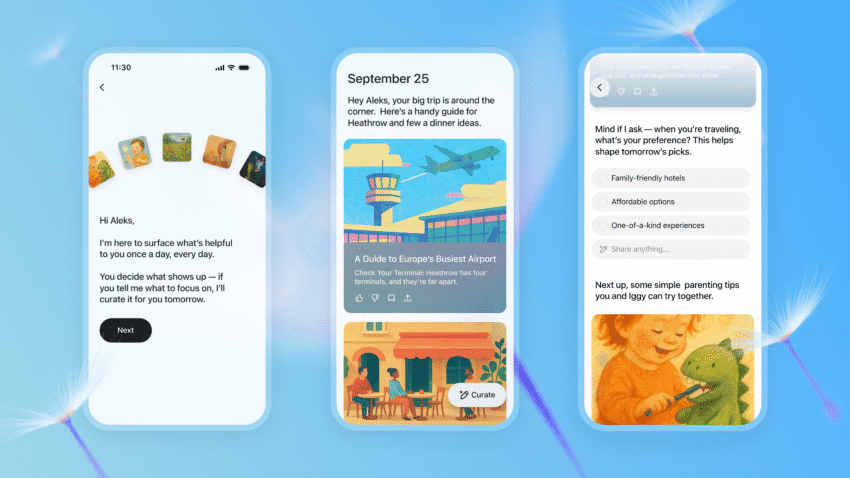
openai really really wants you to start OpenAI has introduced a new feature called ChatGPT Pulse, designed to enhance user personalization by allowing the chatbot to learn from individual user data.
openai really really wants you to start
Overview of ChatGPT Pulse
ChatGPT Pulse represents OpenAI’s latest effort to make its AI chatbot more personalized and user-friendly. This feature enables the chatbot to gather insights from users’ transcripts and phone activities, including connected applications such as calendars, emails, and Google Contacts. By analyzing this data, ChatGPT Pulse aims to deliver tailored content that aligns with users’ interests, providing a daily “pulse” of information that is relevant and engaging.
Functionality and Features
The primary function of ChatGPT Pulse is to curate personalized updates for users. These updates are presented in the form of “topical visual cards,” which can be quickly scanned or opened for more detailed information. According to OpenAI, this feature is designed to ensure that each day begins with a focused set of updates that resonate with the user’s preferences and needs.
This new mobile feature is currently available exclusively to Pro users, with plans for a broader rollout in the future. The decision to limit initial access to Pro users may be a strategic move by OpenAI to gather feedback and refine the feature before making it widely available.
Implications of Personalization
The introduction of ChatGPT Pulse raises several important implications regarding user experience and data privacy. Personalization can significantly enhance user engagement, as individuals are more likely to interact with content that is tailored to their interests. This approach aligns with broader trends in technology, where companies are increasingly leveraging data to create customized experiences.
User Engagement
By providing personalized updates, ChatGPT Pulse aims to increase user engagement with the chatbot. When users receive information that is relevant to their lives, they are more likely to utilize the service regularly. This could lead to a deeper relationship between users and the AI, fostering a sense of reliance on the tool for daily information and insights.
Data Privacy Concerns
However, the feature also raises questions about data privacy. Allowing an AI to access personal data, such as email and calendar information, can be a double-edged sword. While it enables more personalized interactions, it also necessitates a high level of trust from users. OpenAI will need to ensure robust data protection measures are in place to safeguard user information and maintain transparency about how data is collected and used.
Stakeholder Reactions
The introduction of ChatGPT Pulse has elicited a range of reactions from stakeholders, including users, privacy advocates, and industry experts. Many users have expressed excitement about the potential for a more personalized experience, while others have voiced concerns about the implications of sharing personal data with an AI system.
User Enthusiasm
Early feedback from Pro users has been largely positive, with many appreciating the convenience of having a daily summary of relevant information. Users have noted that the visual cards make it easy to digest updates quickly, allowing them to stay informed without feeling overwhelmed by information overload.
Privacy Advocates’ Concerns
On the other hand, privacy advocates have raised alarms about the potential risks associated with data collection. They argue that users may not fully understand the extent of data being shared with OpenAI and how it may be used. This concern is particularly relevant in an era where data breaches and misuse of personal information are prevalent. Advocates emphasize the need for clear communication from OpenAI regarding data handling practices and user consent.
Technical Aspects of ChatGPT Pulse
From a technical standpoint, ChatGPT Pulse leverages advanced machine learning algorithms to analyze user data and generate personalized content. The system’s ability to learn from user interactions is a key component of its functionality. By continuously adapting to user preferences, ChatGPT Pulse aims to provide increasingly relevant updates over time.
Integration with Other Applications
The integration of ChatGPT Pulse with other applications, such as calendars and email, is a significant aspect of its functionality. This connectivity allows the AI to gather contextual information that can enhance its understanding of user needs. For example, if a user has a meeting scheduled, ChatGPT Pulse might provide updates related to that meeting or suggest relevant resources.
Future Developments
As OpenAI continues to refine ChatGPT Pulse, future developments may include expanding the range of connected applications and enhancing the AI’s ability to interpret user data. This could lead to even more personalized experiences, as the system becomes better at understanding individual user contexts.
Conclusion
OpenAI’s ChatGPT Pulse represents a significant step forward in the personalization of AI interactions. By allowing the chatbot to learn from user data, OpenAI aims to create a more engaging and relevant experience for its users. However, the feature also raises important questions about data privacy and user trust. As the technology evolves, it will be crucial for OpenAI to address these concerns while continuing to enhance the capabilities of ChatGPT Pulse.
In summary, ChatGPT Pulse has the potential to transform the way users interact with AI by providing tailored updates that align with their interests. The initial feedback has been positive, but the success of this feature will ultimately depend on how well OpenAI navigates the challenges of data privacy and user trust in the coming months.
Source: Original report
Was this helpful?
Explore more: AI Automation Services More AI & Automation Tech News
Last Modified: September 25, 2025 at 10:41 pm
10 views