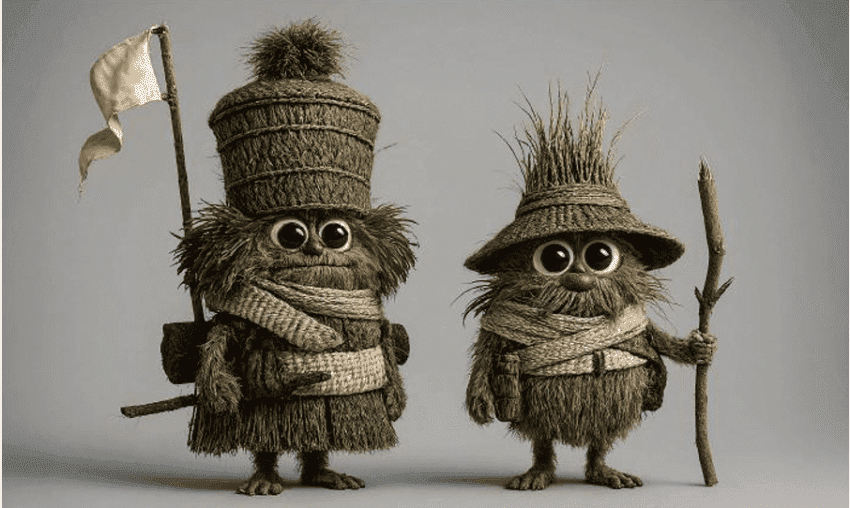
openai comes for hollywood with critterz an OpenAI is venturing into the realm of animated cinema with its upcoming feature film, “Critterz,” aiming to demonstrate the capabilities of generative artificial intelligence in a traditionally high-cost industry.
openai comes for hollywood with critterz an
Overview of “Critterz”
“Critterz” is set to be a groundbreaking animated film that showcases the potential of AI technology in filmmaking. Scheduled for a worldwide release in 2026, the film is expected to debut at the prestigious Cannes Film Festival, a platform known for highlighting innovative cinematic works. The production is notable for its budget, which is reported to be under $30 million, significantly lower than the typical costs associated with animated films. This budget constraint is made possible by leveraging OpenAI’s advanced AI tools, including its flagship model, GPT-5.
Production Timeline and Budget
The production timeline for “Critterz” is ambitious, with the film being created in just nine months. This rapid development cycle is a stark contrast to the years it typically takes to produce high-quality animated features. The reduced budget and accelerated timeline raise questions about the film’s quality and the extent to which AI can effectively replace traditional animation techniques.
Collaboration with Industry Partners
OpenAI is not navigating this venture alone. The company has partnered with Native Foreign and Vertigo Films, both of which are based in Los Angeles and London. These collaborations are crucial as they bring industry expertise and resources that can complement OpenAI’s technological capabilities. The involvement of established production companies may also help mitigate skepticism from Hollywood executives regarding the viability of AI-generated content.
The Role of AI in Filmmaking
Generative AI has been making waves across various sectors, and the film industry is no exception. OpenAI’s foray into animation with “Critterz” is a clear indication of the company’s ambition to redefine how films are created. By utilizing AI tools, filmmakers can streamline processes that typically require extensive human labor, such as storyboarding, character design, and even voice generation.
AI Tools and Their Impact
OpenAI’s GPT-5, which is at the heart of this project, is designed to generate human-like text and can be utilized for scriptwriting, dialogue creation, and character development. The potential for AI to assist in these areas could lead to a more efficient production process, allowing filmmakers to focus on creative aspects rather than logistical challenges.
Moreover, AI-generated visuals and animations can significantly reduce the time and resources needed for traditional animation. This could democratize the filmmaking process, making it more accessible for independent creators who may not have the budget for large-scale productions.
Challenges and Concerns
Despite the promising prospects of AI in filmmaking, there are considerable challenges and concerns that need to be addressed. The Hollywood industry has been slow to adopt AI technologies, largely due to resistance from talent and audiences. Many industry professionals express apprehension about the implications of AI on creative agency and intellectual property rights.
Concerns regarding the authenticity of AI-generated content are also prevalent. Critics argue that while AI can replicate styles and generate ideas, it lacks the emotional depth and unique perspectives that human creators bring to their work. This raises questions about whether films like “Critterz” can resonate with audiences in the same way that traditionally animated films do.
Industry Reactions and Implications
The announcement of “Critterz” has elicited mixed reactions from industry stakeholders. On one hand, some see it as a bold move that could pave the way for a new era of filmmaking, where AI plays a central role in the creative process. Proponents argue that AI can enhance storytelling by offering fresh perspectives and innovative ideas that human creators might overlook.
Support from Innovators
Innovators in the tech and entertainment sectors have expressed enthusiasm for the project. They believe that successful execution of “Critterz” could serve as a case study for the broader application of AI in film. If the film performs well both critically and commercially, it could encourage other studios to invest in AI technologies, potentially leading to a paradigm shift in how films are produced.
Resistance from Traditionalists
Conversely, traditionalists in the industry remain skeptical. Many industry veterans argue that the essence of storytelling lies in human experience and creativity, which AI cannot replicate. The fear is that reliance on AI could lead to a homogenization of content, where films become formulaic and lack the unique voices that characterize great cinema.
Future of AI in Animation
The future of AI in animation is uncertain, but “Critterz” represents a significant step toward integrating technology into the creative process. As the film industry grapples with the implications of AI, it is essential to strike a balance between leveraging technology and preserving the artistry that defines filmmaking.
Potential for Collaboration
Rather than viewing AI as a replacement for human creativity, it may be more beneficial to see it as a tool that can enhance the creative process. Future collaborations between AI developers and filmmakers could lead to innovative storytelling methods that blend human creativity with machine efficiency.
Ethical Considerations
As AI continues to evolve, ethical considerations will become increasingly important. Questions surrounding copyright, ownership, and the role of AI in creative industries will need to be addressed. Establishing clear guidelines and frameworks will be essential to ensure that the rights of human creators are protected while still allowing for technological advancement.
Conclusion
OpenAI’s “Critterz” is poised to challenge the status quo in the animation industry, showcasing the potential of AI to revolutionize filmmaking. While the project faces skepticism and challenges, its success could have far-reaching implications for how films are produced in the future. As the industry navigates this new landscape, it will be crucial to find a balance between innovation and the preservation of artistic integrity.
Source: Original report
Was this helpful?
Explore more: AI Automation Services More AI & Automation Tech News
Last Modified: September 8, 2025 at 7:02 pm
14 views