oneplus oxygenos 16 brings gemini into your OnePlus has unveiled OxygenOS 16, introducing significant enhancements that integrate advanced AI capabilities and offer a more personalized user experience.
oneplus oxygenos 16 brings gemini into your
Overview of OxygenOS 16
OxygenOS 16 represents OnePlus’ latest iteration of its Android-based operating system, bringing with it a host of upgrades designed to improve usability and functionality. The most notable feature is the integration of Google’s Gemini AI Assistant into the Mind Space tool, which aims to revolutionize how users interact with their devices. This release is not just an incremental update; it signifies a shift towards a more intelligent and connected ecosystem.
Mind Space AI Tool Enhancements
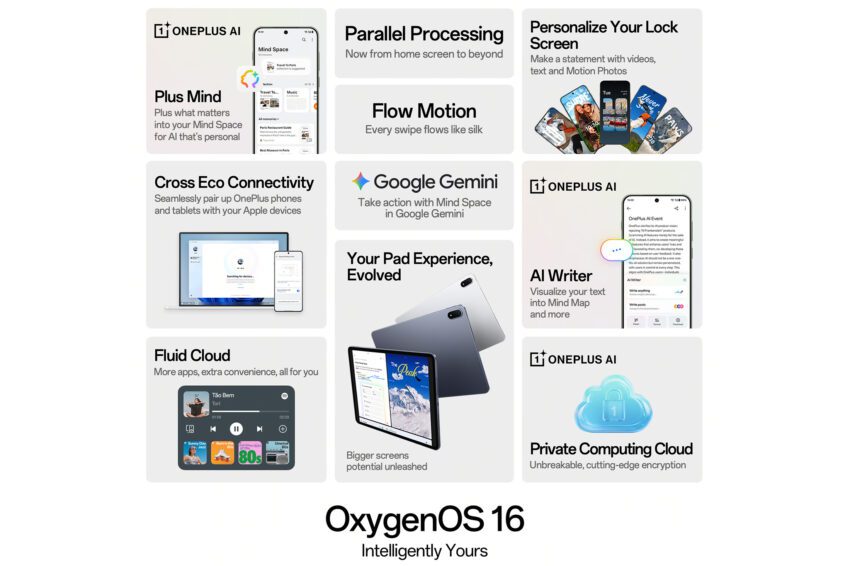
Mind Space, which was initially launched in June, has undergone substantial improvements. Originally, the tool allowed users to save screenshots, which the AI would analyze to extract information or create calendar entries. However, with the new updates, users can now save longer, scrolling screenshots, providing a more comprehensive way to capture information. Additionally, the ability to record 60-second voice memos adds a new layer of interactivity, allowing users to provide context or additional details for the AI to process.
Integration with Google Gemini
The most significant enhancement to Mind Space is its complete integration with Google’s Gemini AI Assistant. This collaboration enables users to leverage the power of Gemini to manage tasks based on the information stored in Mind Space. For instance, if a user saves multiple screenshots of hotels, flight options, and attractions for an upcoming vacation, they can simply ask Gemini to compile this information into a cohesive travel itinerary. This functionality not only streamlines the planning process but also showcases the potential of AI to enhance everyday tasks.
Practical Applications of Mind Space and Gemini
The practical applications of the Mind Space and Gemini integration are vast. Users can utilize this feature for various scenarios, including:
- Travel Planning: Users can save all relevant travel information and request Gemini to organize it into a structured itinerary.
- Event Management: By saving event details and notes, users can have Gemini remind them of important dates and tasks.
- Research Assistance: Students and professionals can save articles and notes, allowing Gemini to summarize or extract key points.
This level of integration not only enhances productivity but also positions OnePlus as a forward-thinking player in the smartphone market, where AI capabilities are increasingly becoming a key differentiator.
Lock Screen Customizations
Another noteworthy update in OxygenOS 16 is the enhanced lock screen customization options. The new features echo some of the changes introduced in Apple’s iOS 16, allowing users greater flexibility in personalizing their device’s appearance. Users can now choose from a variety of widgets, wallpapers, and layouts, creating a lock screen that reflects their individual style and preferences.
Comparison with Competitors
While OnePlus has made strides in lock screen customization, it is essential to consider how these features stack up against competitors. Apple’s iOS 16 introduced significant lock screen enhancements, including customizable fonts and colors, as well as the ability to add widgets. OnePlus appears to be following suit, aiming to provide a similar level of personalization to its users. This trend reflects a broader industry movement towards more customizable user interfaces, as manufacturers recognize the importance of user experience in retaining customer loyalty.
Improved Connectivity Features
OxygenOS 16 also brings improved connectivity options, enhancing the overall user experience. One of the standout features is the ability to share photos seamlessly between different devices, including Oppo phones and iPhones. This cross-platform functionality is a significant step forward, as it allows users to share content without the constraints of device compatibility.
Integration with Other Devices
In addition to photo sharing, OxygenOS 16 introduces the capability to connect with an Apple Watch for basic notification syncing. This feature is particularly appealing for users who own devices from different ecosystems, as it promotes a more integrated experience. Furthermore, users can now take remote control of both Macs and Windows PCs through the O Plus Connect app, allowing for greater versatility in managing tasks across devices.
Implications for User Experience
The improvements in connectivity are not just about convenience; they also reflect a growing trend towards a more interconnected digital lifestyle. As users increasingly rely on multiple devices, the ability to share information and manage tasks seamlessly across platforms becomes essential. OnePlus’ focus on enhancing connectivity positions it as a competitive player in a market that values interoperability.
Performance Enhancements
Beyond new features and integrations, OxygenOS 16 promises smoother performance and more fluid animations. Users can expect a more responsive interface, which is crucial for maintaining a positive user experience. The introduction of a glowing “Optical Light” effect in certain UI elements is a design choice that aims to enhance visual appeal while also improving usability.
Design Tweaks and Aesthetic Improvements
The design tweaks throughout OxygenOS 16 are not merely cosmetic; they are intended to create a more cohesive and visually appealing user interface. The “Optical Light” effect, in particular, draws comparisons to Apple’s Liquid Glass, suggesting that OnePlus is paying close attention to design trends in the industry. This focus on aesthetics, combined with functional improvements, aims to create a more engaging user experience.
Shared Features with Oppo’s ColorOS 16
It is worth noting that many of the changes introduced in OxygenOS 16 are also reflected in Oppo’s ColorOS 16, which was revealed alongside the Find X9 flagship phones. This shared development indicates a closer alignment between the two brands, both of which are under the umbrella of BBK Electronics. As a result, users can expect similar features and functionalities across both operating systems, further enhancing the ecosystem for users who may own devices from either brand.
Availability and Future Rollout
OxygenOS 16 is set to enter an open beta phase on October 17th, allowing users to test the new features before the official launch. The operating system will first be available on the upcoming OnePlus 15, with plans to roll out to older devices in the future. This phased approach enables OnePlus to gather user feedback and make necessary adjustments before a wider release.
Community Engagement and Feedback
The open beta phase is an opportunity for OnePlus to engage with its user community. By allowing users to experience the new features firsthand, the company can gather valuable feedback that may influence future updates. This approach not only fosters a sense of community but also demonstrates OnePlus’ commitment to continuous improvement based on user input.
Conclusion
OxygenOS 16 marks a significant advancement for OnePlus, showcasing the company’s dedication to enhancing user experience through innovative features and AI integration. The improvements to Mind Space, lock screen customizations, connectivity options, and overall performance position OnePlus as a competitive player in the smartphone market. As the open beta phase begins, users can look forward to exploring these new features and contributing to the evolution of OxygenOS.
Source: Original report
Was this helpful?
Last Modified: October 16, 2025 at 8:38 pm
4 views