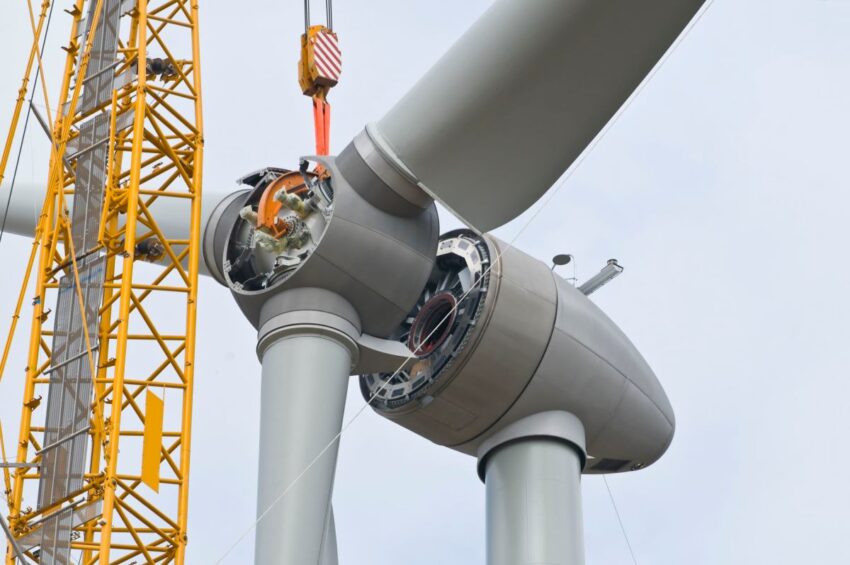
offshore wind developers sue trump administration for Offshore wind developers have initiated legal action against the Trump administration, aiming to overturn a recent decision that halted $25 billion worth of projects.
offshore wind developers sue trump administration for
Background of the Legal Action
The lawsuit arises from a stop-work order issued by the U.S. Department of the Interior, which has significant implications for the future of renewable energy initiatives in the United States. This order specifically impacts five offshore wind projects located along the Eastern Seaboard, which are crucial for the nation’s transition to cleaner energy sources. The developers argue that this halt is not only detrimental to their financial interests but also counterproductive to the country’s climate goals.
Details of the Stop-Work Order
The Department of the Interior’s stop-work order was announced in early January 2026, citing concerns over environmental assessments and regulatory compliance. The affected projects include several high-profile initiatives that were expected to contribute significantly to the nation’s renewable energy capacity. The developers involved in the lawsuit contend that the order was issued without sufficient justification and that it undermines years of planning and investment.
Financial Implications
The financial stakes of this legal battle are substantial. The five projects in question represent a combined investment of approximately $25 billion, a figure that underscores the scale and ambition of offshore wind energy development in the U.S. According to industry analysts, the halt could lead to significant job losses and economic setbacks in regions that are poised to benefit from these projects. The developers argue that the projects would not only create thousands of jobs but also stimulate local economies through increased investment and infrastructure development.
Stakeholder Reactions
The reaction to the stop-work order and subsequent lawsuit has been varied among stakeholders. Environmental groups, while generally supportive of renewable energy initiatives, have expressed concerns regarding the environmental assessments that were reportedly incomplete. They argue that a thorough review is essential to ensure that the projects do not harm marine ecosystems.
Conversely, industry advocates have rallied behind the developers, emphasizing the urgent need for renewable energy sources to combat climate change. They argue that the Trump administration’s decision is a step backward in the fight against global warming, particularly as the U.S. aims to meet its international climate commitments.
Political Context
The legal action also unfolds against a backdrop of heightened political scrutiny regarding energy policies. The Trump administration has faced criticism for its approach to renewable energy, with many arguing that it favors fossil fuel interests over clean energy initiatives. This lawsuit could serve as a pivotal moment in the ongoing debate over energy policy in the U.S., particularly as the nation grapples with the impacts of climate change.
Implications for Future Projects
The outcome of this lawsuit could have far-reaching implications for future offshore wind projects in the United States. If the courts side with the developers, it could pave the way for a resurgence in offshore wind energy initiatives, potentially leading to a wave of new projects and investments. Conversely, if the administration’s stop-work order is upheld, it may deter future investments in renewable energy, as developers could perceive the regulatory environment as unstable and unpredictable.
Broader Industry Impact
Beyond the immediate financial implications for the developers involved, the lawsuit could also influence the broader offshore wind industry. A favorable ruling for the developers might encourage other companies to pursue similar projects, leading to increased competition and innovation within the sector. On the other hand, a ruling against the developers could instill a sense of caution among potential investors and developers, leading to a slowdown in offshore wind development across the country.
Environmental Considerations
Environmental considerations are at the forefront of this legal battle. The developers assert that their projects have undergone extensive environmental reviews and have been designed to minimize ecological impacts. However, critics argue that the rush to develop offshore wind energy must not come at the expense of marine life and habitats. The balance between advancing renewable energy and protecting the environment is a delicate one, and this lawsuit highlights the complexities involved in navigating these competing interests.
Public Opinion
Public opinion on offshore wind energy has been generally favorable, with many Americans recognizing the importance of transitioning to renewable energy sources. However, local communities often have mixed feelings about specific projects, particularly when it comes to concerns about visual impacts, noise, and potential disruptions to fishing activities. The developers will need to engage with local communities effectively to address these concerns and build public support for their initiatives.
Looking Ahead
The legal proceedings surrounding this lawsuit are expected to unfold over the coming months, with both sides preparing for a potentially lengthy battle. The developers are likely to argue that the stop-work order is an overreach of regulatory authority, while the government may defend its actions as necessary to ensure environmental protections are upheld.
As the case progresses, it will be essential to monitor how it influences not only the future of the five affected projects but also the broader landscape of offshore wind energy development in the U.S. The outcome could set important precedents for how similar projects are evaluated and approved in the future.
Conclusion
The lawsuit filed by offshore wind developers against the Trump administration represents a critical juncture in the ongoing effort to expand renewable energy resources in the United States. With significant financial stakes and implications for environmental policy, the outcome of this case could shape the future of offshore wind energy and the broader energy landscape for years to come. As stakeholders await the court’s decision, the tension between economic development and environmental protection remains at the forefront of this critical issue.
Source: Original report
Was this helpful?
Explore more: More Business & Startups Tech News Blog
Last Modified: January 6, 2026 at 7:47 am
12 views