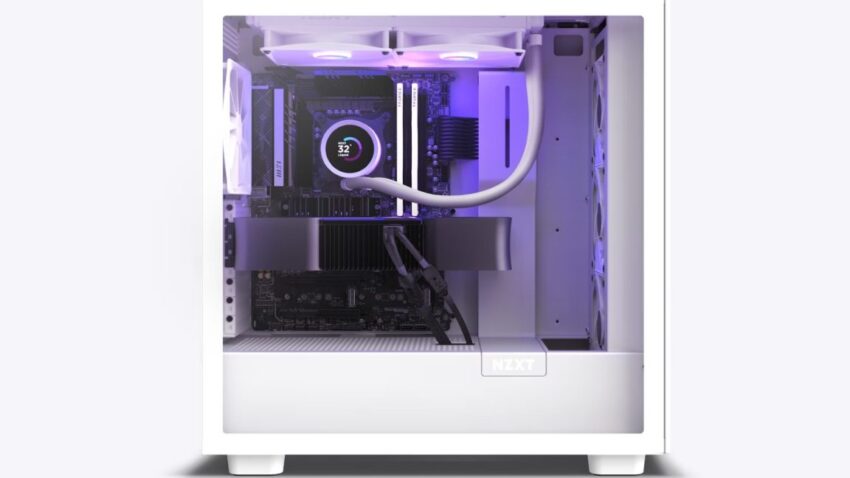
nzxt agrees to let customers keep their NZXT has reached a significant settlement regarding its controversial Flex PC rental program, allowing customers to retain their rented gaming desktops.
nzxt agrees to let customers keep their
Background of the Flex PC Rental Program
In August 2024, NZXT, a well-known player in the PC hardware market, launched its Flex PC rental program. This initiative aimed to provide gamers with a flexible and affordable way to access high-performance gaming desktops without the upfront costs associated with purchasing a new PC. The rental prices ranged from $59 to $169 per month, although current pricing has escalated to between $79 and $279 per month. The company marketed the program by emphasizing that the rental PCs would be “new or like new,” appealing to consumers who might be hesitant to invest in expensive hardware.
As part of the program, subscribers were given the option to upgrade their rental PCs every two years, which was positioned as a way to ensure that customers always had access to the latest technology. This feature was particularly attractive to gamers who wanted to keep up with the rapidly evolving gaming landscape, where hardware specifications can quickly become outdated.
Customer Reactions and Criticism
Despite its promising premise, the Flex PC rental program faced considerable backlash from consumers and industry experts alike. One of the primary concerns was the cost-effectiveness of renting a PC compared to purchasing one outright. Many customers found that the cumulative rental fees could surpass the price of buying a new gaming desktop within a relatively short period. This concern was echoed by various consumer advocacy groups and financial analysts who highlighted the potential pitfalls of long-term rental agreements.
In November 2024, the YouTube channel Gamers Nexus conducted an in-depth review of the Flex program, revealing that many customers received components that were less powerful than what they had anticipated. The channel’s findings suggested that NZXT had advertised the rental PCs with misleading benchmark results, leading customers to believe they were getting superior performance. This revelation sparked outrage among subscribers who felt misled and undervalued.
Data Privacy Concerns
Another significant issue that arose was related to data privacy. Customers expressed concerns about what happened to their personal data left on returned computers. Given the sensitive nature of the information that can be stored on gaming PCs, including payment details and personal files, the potential for data breaches raised alarm bells. Critics argued that NZXT had not adequately addressed how it would handle customer data, leading to fears of identity theft and data misuse.
Legal Action and Class-Action Settlement
In light of these criticisms, a class-action lawsuit was filed against NZXT and its billing partner, Fragile, alleging deceptive business practices and breach of contract. The lawsuit claimed that the company had misrepresented the quality and performance of its rental PCs, leading customers to make financial commitments based on false information.
After months of legal proceedings, NZXT and Fragile agreed to a settlement of $3,450,000. This settlement allows customers to keep their rented PCs, a decision that has been met with mixed reactions. While some customers view this as a positive outcome, others feel that it does not adequately address the broader issues surrounding the program.
Settlement Details
The settlement will provide financial compensation to affected customers, although the exact distribution of funds has yet to be detailed. Customers who participated in the Flex program will be eligible for compensation, which may include refunds for rental fees or other forms of restitution. The agreement also stipulates that NZXT must take steps to improve transparency and customer communication regarding its rental offerings.
Implications for NZXT and the Gaming Industry
This settlement marks a pivotal moment for NZXT, as it must now navigate the aftermath of the lawsuit while working to restore its reputation. The company has faced scrutiny not only for its Flex program but also for its overall business practices. Moving forward, NZXT will need to focus on rebuilding trust with its customer base, which may involve reevaluating its marketing strategies and ensuring that its products meet the expectations set forth in its advertising.
For the broader gaming industry, this case serves as a cautionary tale about the importance of transparency and ethical marketing practices. As more companies explore rental models and subscription services, the NZXT settlement highlights the potential legal ramifications of misleading advertising and inadequate customer support. Industry stakeholders may need to reassess their practices to avoid similar pitfalls.
Stakeholder Reactions
The reactions to the settlement have varied across different stakeholders. Consumer advocacy groups have generally welcomed the outcome, viewing it as a victory for customers who felt misled by NZXT’s marketing tactics. These organizations emphasize the importance of holding companies accountable for their claims, particularly in sectors where consumers invest significant amounts of money.
On the other hand, some industry analysts have expressed skepticism about whether this settlement will lead to meaningful changes in NZXT’s business practices. They argue that while the financial compensation is a step in the right direction, it does not necessarily guarantee that the company will address the underlying issues that led to the lawsuit in the first place. The effectiveness of the settlement will ultimately depend on how NZXT implements the required changes and communicates with its customers moving forward.
Future of Rental Programs in Gaming
The NZXT Flex PC rental program has sparked a broader conversation about the viability of rental models in the gaming industry. While the concept of renting high-performance gaming hardware may appeal to some consumers, the challenges highlighted by this case suggest that companies must tread carefully. Transparency, accurate advertising, and robust customer support will be essential for any future rental programs to succeed.
As the gaming landscape continues to evolve, companies may need to explore alternative models that balance affordability with quality. Subscription services for gaming hardware could become more popular, but they must be designed with consumer interests in mind. The NZXT case serves as a reminder that companies must prioritize customer satisfaction and ethical practices to build lasting relationships with their user base.
Conclusion
The settlement between NZXT and its customers marks a significant development in the ongoing discourse surrounding rental programs in the gaming industry. While customers will be allowed to keep their rented PCs, the broader implications of this case extend beyond just financial compensation. It serves as a crucial reminder for companies to uphold transparency and ethical marketing practices, ensuring that consumers are well-informed and protected in their purchasing decisions.
As NZXT moves forward, the company faces the challenge of rebuilding its reputation while addressing the concerns raised by this lawsuit. The outcome of this case may influence how other companies approach rental models, potentially reshaping the landscape of gaming hardware rentals in the future.
Source: Original report
Was this helpful?
Explore more: More Business & Startups Tech News Blog
Last Modified: April 14, 2026 at 2:37 am
14 views