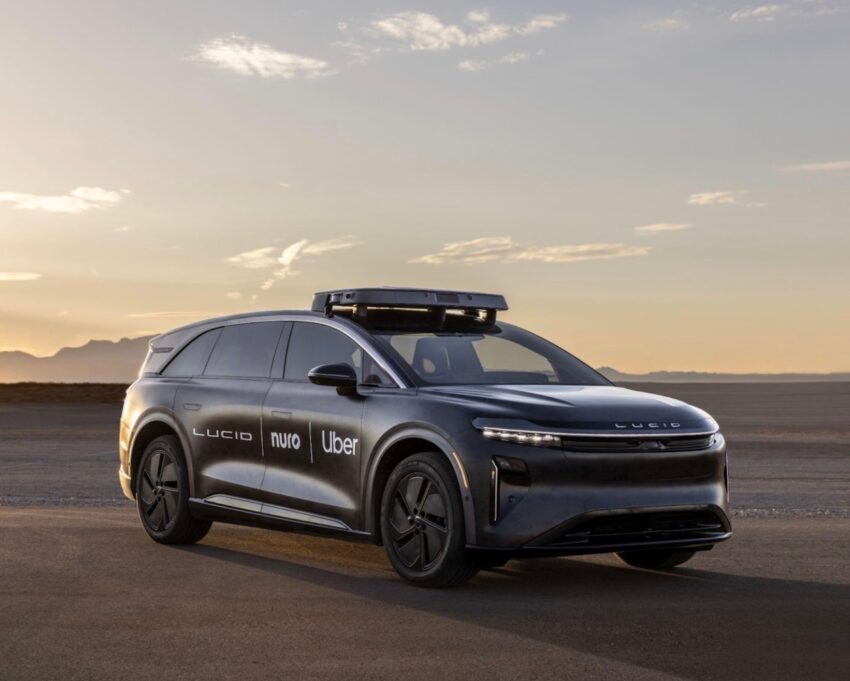
nuro receives driverless testing permit ahead of Nuro has secured a driverless testing permit, marking a significant step in its journey toward deploying autonomous delivery vehicles, coinciding with the anticipated launch of Uber’s robotaxi service.
nuro receives driverless testing permit ahead of
Overview of Nuro’s Development
Nuro, a Silicon Valley-based autonomous vehicle (AV) startup, has recently received a permit that allows it to conduct driverless testing. This development is particularly noteworthy as it positions Nuro to advance its technology in a competitive landscape that includes major players like Uber, which is gearing up for its own robotaxi service launch. While Nuro has not yet commenced its driverless testing, the permit signifies regulatory approval and the company’s readiness to move forward.
The Significance of the Permit
The acquisition of a driverless testing permit is a crucial milestone for Nuro. It not only validates the company’s technology but also demonstrates its compliance with regulatory standards. This permit allows Nuro to operate its autonomous vehicles on public roads, a critical step in the testing and development process. The ability to test in real-world conditions is essential for refining the technology and ensuring safety before a full-scale rollout.
Regulatory Landscape
The regulatory environment for autonomous vehicles is complex and varies significantly by region. In California, where Nuro is based, the Department of Motor Vehicles (DMV) oversees the issuance of permits for autonomous vehicle testing. The DMV’s stringent requirements ensure that only companies meeting specific safety and operational criteria can test driverless vehicles on public roads. Nuro’s successful application for this permit indicates that it has met these criteria, which include demonstrating the safety of its technology and providing a comprehensive testing plan.
Implications for Nuro
Receiving this permit allows Nuro to accelerate its testing processes, which are crucial for gathering data and improving the performance of its autonomous delivery vehicles. The company aims to enhance its technology, focusing on reliability and safety, which are paramount in the AV industry. As Nuro prepares for driverless testing, it will likely gather valuable insights that can inform future iterations of its vehicles and operational strategies.
Contextualizing Nuro’s Position in the Market
Nuro’s advancements come at a time when the autonomous vehicle market is rapidly evolving. The competition is intensifying, with various companies, including Uber, Waymo, and Cruise, making significant strides in the development of autonomous technologies. Uber’s impending launch of its robotaxi service adds another layer of urgency for Nuro to establish its presence in the market.
Comparison with Competitors
While Nuro focuses primarily on delivery services, Uber’s robotaxi service aims to provide passenger transport. This differentiation allows Nuro to carve out a niche in the autonomous vehicle landscape. However, both companies face similar challenges, including regulatory hurdles, public acceptance, and technological reliability. As Nuro embarks on its driverless testing, it will be essential for the company to differentiate itself from competitors like Uber, which has a more established brand presence in the ride-hailing space.
Market Trends and Consumer Expectations
The demand for autonomous delivery services is on the rise, driven by changing consumer behaviors and preferences. The COVID-19 pandemic accelerated the adoption of contactless delivery options, and many consumers now expect convenience and efficiency in their delivery experiences. Nuro’s focus on autonomous delivery aligns with these trends, positioning the company to meet evolving consumer expectations. By leveraging its technology, Nuro aims to provide a seamless and efficient delivery service that caters to the needs of modern consumers.
Stakeholder Reactions
The announcement of Nuro’s driverless testing permit has garnered attention from various stakeholders, including investors, industry analysts, and consumers. Investors are likely to view this development as a positive sign of Nuro’s growth potential, especially as the autonomous vehicle market continues to expand. Industry analysts may focus on the implications of Nuro’s advancements for the broader AV landscape, particularly in relation to regulatory challenges and technological innovation.
Investor Sentiment
Investor sentiment surrounding autonomous vehicle companies has fluctuated in recent years, influenced by the successes and setbacks of various players in the market. Nuro’s ability to secure a driverless testing permit may bolster investor confidence, signaling that the company is on the right track. As Nuro progresses with its testing, it will be crucial for the company to maintain transparency with investors regarding its milestones and challenges.
Public Perception
Public perception of autonomous vehicles remains mixed, with some consumers expressing enthusiasm for the technology while others harbor concerns about safety and reliability. Nuro’s focus on safety during its testing phase will be critical in addressing these concerns. By prioritizing safety and demonstrating the effectiveness of its technology, Nuro has the opportunity to build consumer trust and acceptance of its autonomous delivery services.
Future Prospects for Nuro
Looking ahead, Nuro’s successful completion of driverless testing could pave the way for a broader rollout of its autonomous delivery services. The company has already made strides in developing its fleet of delivery vehicles, which are designed to operate without a human driver. These vehicles are equipped with advanced sensors and software that enable them to navigate complex environments safely.
Potential Partnerships
As Nuro progresses with its testing, potential partnerships could play a significant role in its growth strategy. Collaborations with retailers, logistics companies, and technology providers could enhance Nuro’s operational capabilities and expand its market reach. Strategic partnerships may also provide access to valuable resources, including data and expertise, that can accelerate Nuro’s development efforts.
Challenges Ahead
Despite the positive developments, Nuro faces several challenges as it moves forward. The regulatory landscape for autonomous vehicles is continually evolving, and navigating these changes will require ongoing diligence. Additionally, the company must address public concerns regarding safety and reliability, which are critical factors in gaining consumer acceptance. Furthermore, competition from established players like Uber and emerging startups will necessitate a robust strategy to differentiate Nuro’s offerings in the market.
Conclusion
Nuro’s recent acquisition of a driverless testing permit marks a pivotal moment in its journey toward deploying autonomous delivery vehicles. As the company prepares to begin testing, it stands at the intersection of innovation and competition in the rapidly evolving autonomous vehicle market. With the impending launch of Uber’s robotaxi service, Nuro’s advancements will be closely watched by industry stakeholders and consumers alike. The company’s focus on safety, regulatory compliance, and consumer expectations will be critical as it navigates the challenges and opportunities ahead in the autonomous delivery landscape.
Source: Original report
Was this helpful?
Explore more: DevOps Services More Cloud & DevOps Tech News
Last Modified: May 6, 2026 at 6:35 am
13 views