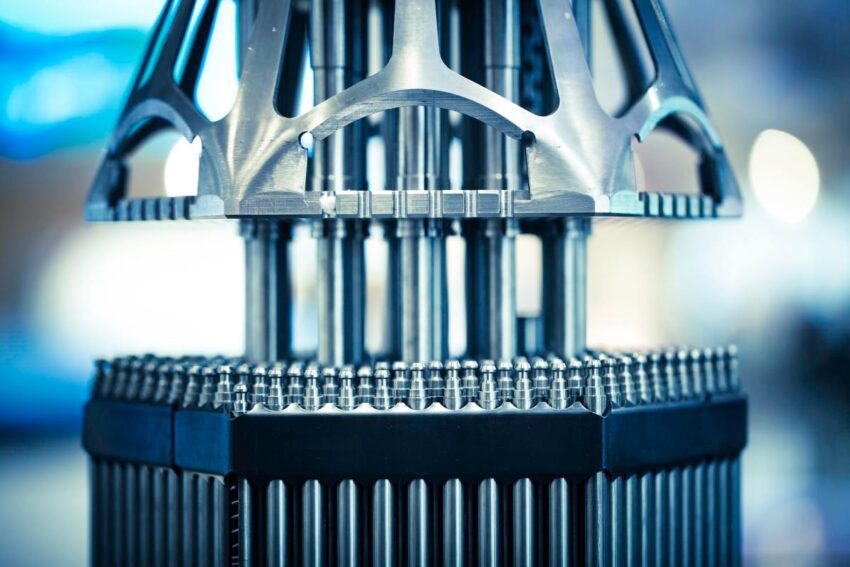
nuclear startups are back in vogue with Small modular reactor startups are gaining traction as they aim to reduce costs through mass manufacturing, but they may be underestimating the challenges ahead.
nuclear startups are back in vogue with
The Resurgence of Nuclear Startups
In recent years, the nuclear energy sector has witnessed a resurgence, particularly among startups focused on small modular reactors (SMRs). These innovative designs promise to offer a more flexible and cost-effective approach to nuclear power generation. As the world grapples with climate change and the need for sustainable energy sources, the appeal of nuclear energy is becoming increasingly pronounced. The International Energy Agency (IEA) has emphasized the necessity of nuclear power in achieving net-zero emissions by 2050, further fueling interest in this sector.
Understanding Small Modular Reactors
Small modular reactors are defined as nuclear reactors that are smaller in size and output compared to traditional nuclear power plants. Typically, these reactors generate up to 300 megawatts of electricity, making them suitable for a variety of applications, including providing power to remote locations or supplementing existing energy grids. The modular design allows for factory-based manufacturing, which proponents argue can lead to significant cost reductions and quicker deployment times.
One of the key advantages of SMRs is their scalability. Unlike large nuclear plants, which require substantial upfront investment and long construction times, SMRs can be built incrementally. This modularity allows utilities to add capacity as demand grows, reducing financial risk. Furthermore, SMRs are designed with enhanced safety features, which may alleviate public concerns about nuclear energy.
The Economic Promise of Mass Manufacturing
Startups in the SMR space are betting heavily on the concept of mass manufacturing to bring down costs. Traditional nuclear power plants have often been plagued by budget overruns and lengthy construction timelines, making them less attractive in competitive energy markets. By shifting to a manufacturing model, these startups aim to streamline production processes, reduce labor costs, and improve overall efficiency.
Cost Reduction Strategies
Several strategies are being employed by SMR startups to achieve cost reductions:
- Standardization: By standardizing components and designs, manufacturers can reduce complexity and increase production speed.
- Economies of Scale: Mass production can lead to lower per-unit costs, making SMRs more competitive with other energy sources.
- Advanced Manufacturing Techniques: Utilizing modern manufacturing technologies, such as 3D printing and automation, can further enhance efficiency.
These strategies are not without their challenges. The nuclear industry is heavily regulated, and any changes to design or manufacturing processes must undergo rigorous scrutiny. This regulatory landscape can slow down innovation and complicate the path to market for new technologies.
Challenges Facing SMR Startups
Despite the optimistic outlook, SMR startups face significant hurdles that could impede their progress. The challenges range from regulatory issues to public perception, and they require careful navigation to ensure the success of these ventures.
Regulatory Hurdles
The nuclear industry is one of the most heavily regulated sectors in the world. Startups must navigate a complex web of regulations that vary by country and region. In the United States, for example, the Nuclear Regulatory Commission (NRC) oversees the licensing and safety of nuclear facilities. Obtaining the necessary approvals can be a lengthy and costly process, often taking years or even decades.
Moreover, the regulatory framework is not always well-suited to the unique characteristics of SMRs. Many existing regulations were designed with large-scale reactors in mind, and adapting them to new technologies can be a cumbersome process. This mismatch can create uncertainty for startups, making it difficult to predict timelines and costs.
Public Perception and Acceptance
Public perception of nuclear energy remains a significant barrier to the widespread adoption of SMRs. High-profile accidents, such as the Fukushima disaster in 2011, have left a lasting impact on public opinion. Many people remain skeptical about the safety of nuclear power, and any new developments in the sector are often met with caution.
To gain public acceptance, SMR startups must engage in transparent communication and education efforts. Demonstrating the safety features and environmental benefits of these reactors will be crucial in alleviating concerns. Additionally, building trust with local communities will be essential for securing support for new projects.
Stakeholder Reactions and Industry Outlook
The response from stakeholders within the energy sector has been mixed. While some industry leaders express optimism about the potential of SMRs, others remain cautious. Traditional energy companies are closely monitoring the developments in the SMR space, weighing the risks and rewards associated with investing in new technologies.
Investment Trends
Investment in nuclear startups has increased significantly in recent years, driven by a growing interest in clean energy solutions. Venture capital firms and private investors are increasingly willing to fund innovative technologies that promise to address climate change. According to a report from the World Nuclear Association, investment in nuclear technology reached approximately $10 billion in 2025, with a substantial portion directed toward SMR development.
However, securing funding remains a challenge for many startups. Investors often seek assurances regarding the viability of new technologies, and the lengthy regulatory processes can deter potential backers. Startups must demonstrate not only the technical feasibility of their designs but also a clear path to market and profitability.
Collaborations and Partnerships
To navigate the challenges ahead, many SMR startups are forming collaborations and partnerships with established players in the nuclear industry. These alliances can provide valuable expertise, resources, and credibility. For example, some startups are partnering with traditional nuclear operators to leverage their experience in regulatory compliance and safety protocols.
Additionally, collaborations with research institutions and universities can foster innovation and drive technological advancements. By pooling resources and knowledge, stakeholders can work together to address the challenges facing the SMR sector.
The Future of Small Modular Reactors
The future of small modular reactors is still unfolding, and while the potential is significant, the path forward is fraught with challenges. As the world seeks sustainable energy solutions, the role of nuclear power is likely to be a critical component of the energy mix. However, the success of SMR startups will depend on their ability to overcome regulatory hurdles, gain public acceptance, and secure the necessary investment.
In conclusion, small modular reactors represent a promising innovation in the nuclear energy sector. By leveraging mass manufacturing techniques, these startups aim to reduce costs and improve the viability of nuclear power. However, they must navigate a complex landscape of regulatory challenges and public perception to realize their vision. The coming years will be crucial in determining whether SMRs can fulfill their promise as a sustainable energy solution.
Source: Original report
Was this helpful?
Last Modified: January 12, 2026 at 2:38 am
0 views