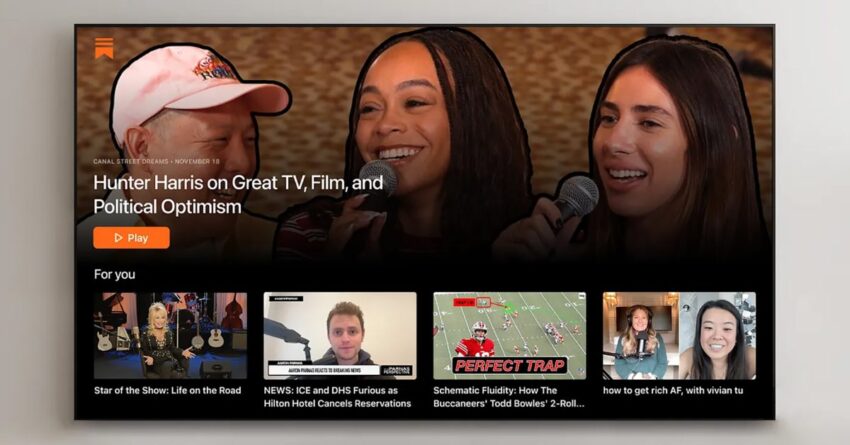
newsletter platform substack now has an apple Substack has officially launched its Substack TV app for Apple TV, enabling users to access video content and livestreams from their subscribed publications.
newsletter platform substack now has an apple
Introduction to Substack TV
Substack, a platform that has gained significant traction for its newsletter services, has now ventured into the realm of video content with the introduction of its Substack TV app for Apple TV. This development marks a pivotal expansion for Substack, which has primarily focused on written content. The new app aims to enhance user engagement by providing a seamless way to consume video posts and livestreams directly from the publications users subscribe to.
Features of the Substack TV App
The Substack TV app is designed to offer a user-friendly interface that allows subscribers to easily navigate through video content. Here are some of the key features:
- Video Posts: Subscribers can watch video content created by their favorite writers and publications. This includes everything from interviews and discussions to creative video essays.
- Livestreams: The app supports live broadcasts, enabling real-time interaction between creators and their audience. This feature is particularly valuable for events such as Q&A sessions, workshops, and live discussions.
- Personalized Experience: The app curates content based on user subscriptions, ensuring that viewers receive relevant video posts and livestreams tailored to their interests.
- Easy Access: Users can easily switch between video and written content, making it convenient for those who enjoy both formats.
Background on Substack
Founded in 2017, Substack has revolutionized the way writers and content creators monetize their work. By allowing authors to create subscription-based newsletters, Substack has empowered independent writers to connect directly with their audiences. The platform has attracted a diverse array of writers, from journalists to academics, and has become a significant player in the media landscape.
Substack’s growth can be attributed to its straightforward business model, which takes a 10% cut from subscription fees. This approach has enabled many writers to earn a sustainable income while maintaining creative control over their content. As of now, Substack hosts thousands of newsletters, with millions of subscribers worldwide.
Implications of the Substack TV App
The launch of the Substack TV app signifies a strategic shift for the company, as it seeks to diversify its content offerings. By incorporating video, Substack is not only expanding its reach but also tapping into the growing demand for video content among consumers. The implications of this move are manifold:
- Increased Engagement: Video content is known to drive higher engagement rates compared to text-based content. By providing a platform for video, Substack may see increased interaction from subscribers, leading to a more vibrant community.
- Attracting New Creators: The addition of video capabilities may attract a new wave of content creators who prefer to produce video rather than written content. This could lead to a more diverse range of voices and perspectives on the platform.
- Competition with Established Platforms: Substack will now compete with established video platforms such as YouTube and Vimeo. While these platforms have a head start, Substack’s unique focus on subscription-based content may offer a competitive edge.
- Monetization Opportunities: The app opens up new monetization avenues for creators. Livestreams can be monetized through ticket sales or subscriptions, providing additional revenue streams for writers.
Stakeholder Reactions
The announcement of the Substack TV app has elicited a range of reactions from stakeholders within the media and tech industries. Many content creators have expressed excitement about the potential for increased visibility and engagement through video. For instance, popular Substack writers have noted that video allows for deeper connections with their audiences, as viewers can see and hear them in a more personal way.
On the other hand, some industry analysts have raised questions about the sustainability of Substack’s business model as it expands into new formats. While the platform has been successful in the newsletter space, transitioning to video may present challenges, particularly in terms of content moderation and quality control. Ensuring that video content meets the same standards as written content will be crucial for maintaining subscriber trust.
Comparative Analysis with Other Platforms
Substack’s foray into video content places it in direct competition with several established platforms. Each platform has its unique strengths and weaknesses:
- YouTube: As the largest video-sharing platform, YouTube offers a vast audience and robust monetization options for creators. However, it operates on an ad-based model, which may not appeal to all creators.
- Patreon: This platform allows creators to offer subscription-based content, including video. However, it lacks the integrated publishing capabilities that Substack provides, making it less appealing for writers who want to maintain a strong written presence.
- Vimeo: Known for its high-quality video hosting, Vimeo caters primarily to professional creators. While it offers subscription options, it does not have the same community-driven approach as Substack.
Future Prospects for Substack TV
Looking ahead, the future of Substack TV will depend on several factors:
- User Adoption: The success of the app will largely hinge on how quickly and effectively users adopt it. Substack will need to promote the app and encourage its creators to produce video content to drive engagement.
- Content Quality: Maintaining high-quality content will be essential for retaining subscribers. Substack may need to implement guidelines or support systems to help creators produce compelling video content.
- Partnerships and Collaborations: Forming partnerships with established video creators or brands could enhance the app’s visibility and credibility. Collaborations may also introduce new audiences to Substack.
- Feedback and Iteration: Listening to user feedback will be crucial for refining the app’s features and functionality. Continuous improvement based on subscriber input can help Substack stay competitive in the evolving media landscape.
Conclusion
The launch of the Substack TV app for Apple TV represents a significant milestone for the platform as it expands its content offerings beyond newsletters. By embracing video, Substack aims to enhance user engagement, attract new creators, and compete in the increasingly crowded media landscape. As the app rolls out, its success will depend on user adoption, content quality, and the platform’s ability to adapt to the needs of its community. With the growing demand for video content, Substack’s strategic move could position it for continued growth and innovation in the coming years.
Source: Original report
Was this helpful?
Explore more: More Big Tech & Platforms Tech News Blog
Last Modified: January 23, 2026 at 7:43 am
19 views