newest starship booster is significantly damaged during SpaceX’s latest Starship booster has encountered significant damage during pre-launch testing in South Texas, raising concerns about the future of the ambitious space program.
newest starship booster is significantly damaged during
Incident Overview
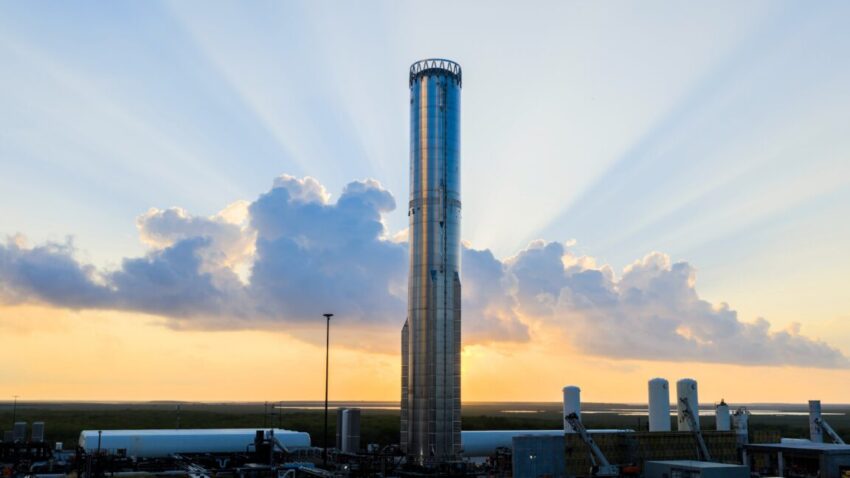
In the early hours of Friday morning, a major incident occurred at SpaceX’s testing facility in South Texas. The next-generation Starship first stage, which had only been rolled out of the factory the day before, suffered substantial damage during its pre-launch testing phase. This event has drawn attention not only for the damage itself but also for the implications it may have on SpaceX’s ongoing efforts to develop and refine its Starship program.
Testing Timeline
The testing campaign for the Starship booster commenced on Thursday night at the Massey’s Test Site, located a few miles from SpaceX’s main production site at Starbase Texas. Prior to the incident, SpaceX had announced on the social media platform X (formerly Twitter) that the initial operations would focus on evaluating the booster’s redesigned propellant systems and its structural integrity. This testing was a crucial step in the iterative development process that SpaceX employs, which involves frequent testing and rapid prototyping.
Details of the Incident
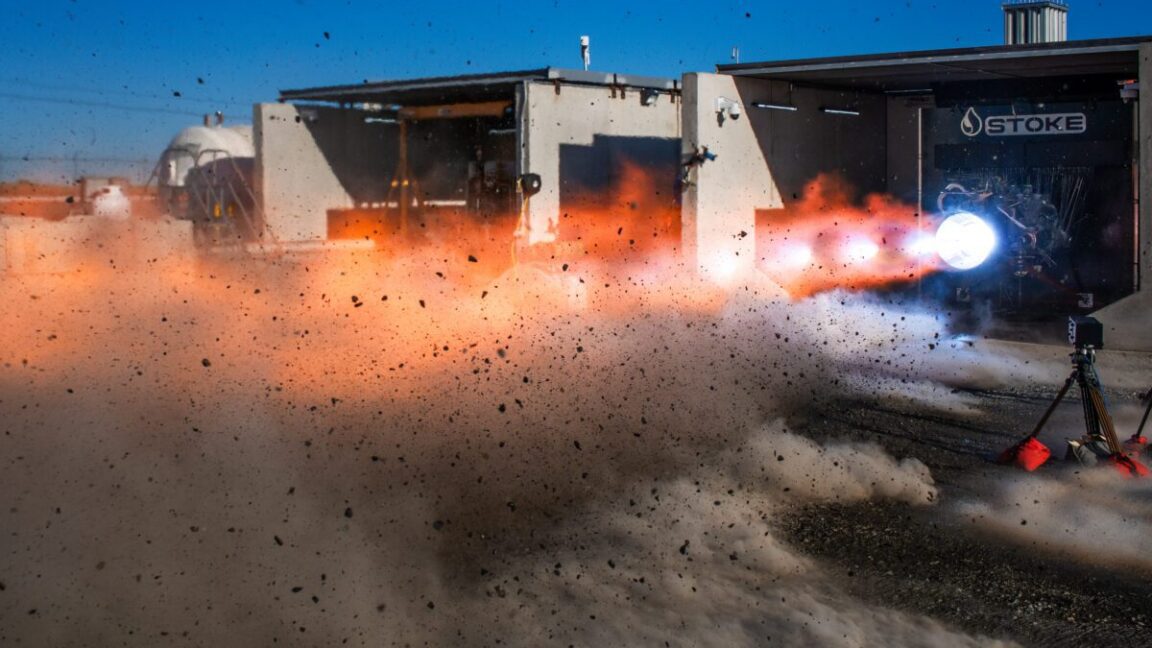
At approximately 4:04 am CT (10:04 UTC) on Friday, an independent video captured the moment when the rocket’s lower half experienced an explosive or possibly implosive event. The nature of the incident has not been fully clarified, but it was significant enough to warrant immediate attention from SpaceX engineers and the broader aerospace community. The video footage shows a dramatic scene, with flames and debris indicating that the booster had sustained critical damage.
Technical Context
The Starship program is designed to be a fully reusable spacecraft capable of carrying both crew and cargo to a variety of destinations, including the Moon and Mars. The first stage, known as the Super Heavy booster, is responsible for lifting the Starship into orbit. Given the ambitious goals of the program, the testing of the booster’s propellant systems and structural strength is vital for ensuring the safety and reliability of future missions.
The redesigned propellant systems are particularly noteworthy, as they are intended to improve the efficiency and performance of the booster. However, the incident raises questions about the effectiveness of these new systems and whether they can withstand the extreme conditions of launch and flight.
Implications for Future Tests
The damage sustained during this testing phase could have several implications for SpaceX’s future plans. First, it may delay upcoming test flights, which are critical for validating the design and functionality of the Starship system. SpaceX has been known for its rapid development cycles, but significant setbacks like this can lead to extended timelines as engineers work to diagnose the issue and implement necessary repairs or redesigns.
Moreover, the incident could affect public perception of the Starship program. SpaceX has garnered significant attention and support for its ambitious goals, but repeated failures or setbacks may lead to increased scrutiny from stakeholders, including investors, regulatory bodies, and the general public. Transparency about the challenges faced during testing will be essential for maintaining trust and confidence in the program.
Stakeholder Reactions
Reactions to the incident have varied across the aerospace community. Some experts emphasize the importance of testing and iteration in the development of complex aerospace systems. “Failures are a part of the process,” said a prominent aerospace engineer who wished to remain anonymous. “What matters is how quickly the team can learn from this and adapt.” This sentiment reflects the broader understanding within the industry that setbacks can provide valuable lessons that contribute to long-term success.
On the other hand, some critics have pointed to the incident as a sign that SpaceX may be pushing the boundaries of safety and reliability too far in its quest for rapid innovation. “While speed is important, safety cannot be compromised,” noted a former NASA engineer. “The stakes are incredibly high when it comes to human spaceflight.” This perspective underscores the delicate balance that SpaceX must maintain as it navigates the challenges of developing a revolutionary spacecraft.
Historical Context of Starship Development
The Starship program has faced numerous challenges since its inception. Initial prototypes experienced a series of explosive failures during testing, leading to a steep learning curve for SpaceX engineers. However, each failure has contributed to improvements in design and safety protocols. The iterative nature of the development process has allowed SpaceX to refine its technology and approach, ultimately leading to successful test flights and milestones.
In recent months, SpaceX had made significant progress, successfully launching and landing several Starship prototypes. These achievements had raised hopes that the program was on the verge of entering a new phase of operational capability. However, incidents like the one on Friday serve as a reminder of the inherent risks involved in aerospace development.
Looking Ahead
As SpaceX assesses the damage to the Starship booster, the company will likely focus on several key areas moving forward. First, a thorough investigation will be necessary to determine the root cause of the incident. This may involve analyzing data from the test, reviewing design specifications, and conducting simulations to replicate the conditions that led to the failure.
Once the cause is identified, SpaceX will need to implement corrective measures. This could involve redesigning components of the propellant system, reinforcing structural elements, or modifying testing protocols to enhance safety. The company has a history of rapid iteration, so it is expected that changes will be made swiftly to minimize delays in the testing schedule.
Broader Implications for Space Exploration
The Starship program is not just significant for SpaceX; it has broader implications for the future of space exploration. The success of the Starship could pave the way for more ambitious missions, including crewed missions to Mars and beyond. As nations and private companies around the world ramp up their space exploration efforts, the outcomes of SpaceX’s testing will be closely monitored.
International collaboration and competition in space exploration are intensifying, and the performance of the Starship will play a crucial role in shaping the landscape. If SpaceX can overcome the challenges it faces, it may solidify its position as a leader in the aerospace industry, influencing the direction of future missions and technologies.
Conclusion
The significant damage sustained by SpaceX’s Starship booster during testing highlights the complexities and challenges of developing advanced aerospace technology. While the incident raises questions about the program’s future, it also serves as a reminder of the iterative nature of innovation in the field. As SpaceX moves forward, the lessons learned from this setback will be crucial in shaping the next steps for the Starship program and its ambitious goals for space exploration.
Source: Original report
Was this helpful?
Explore more: DevOps Services More Cloud & DevOps Tech News
Last Modified: November 21, 2025 at 5:37 pm
24 views