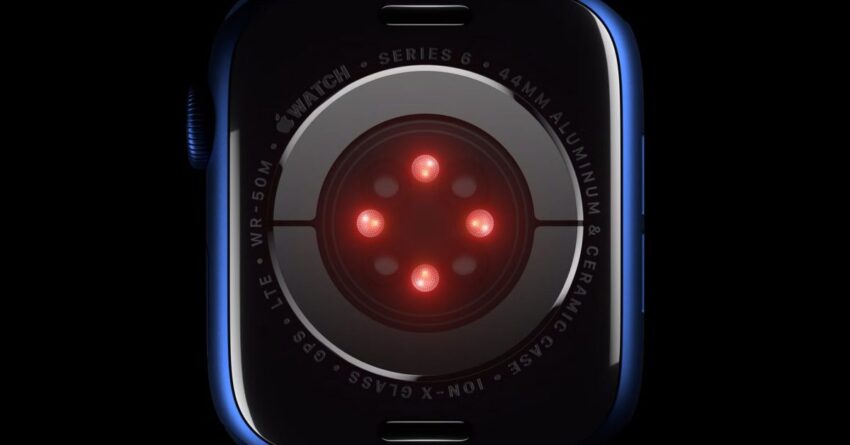
new study shows how ai could unlock A recent study reveals that Apple is investigating the potential of artificial intelligence to enhance cardiac health monitoring through its Apple Watch’s optical sensor.
new study shows how ai could unlock
Exploring AI in Cardiac Health Monitoring
In a world increasingly focused on health technology, Apple continues to push the boundaries of what wearable devices can achieve. A new research paper highlights the company’s efforts to leverage artificial intelligence (AI) for extracting deeper insights into cardiac health from the Apple Watch’s optical sensor. This development follows Apple’s previous exploration of brain wave sensors in AirPods, aimed at measuring sleep quality and detecting seizures.
The Role of Optical Sensors in Health Monitoring
The Apple Watch is equipped with an optical heart rate sensor that uses photoplethysmography (PPG) technology. This method involves shining a light onto the skin and measuring the amount of light that is absorbed or reflected. Variations in blood volume during each heartbeat affect the light absorption, allowing the watch to calculate heart rate and monitor heart rhythm.
While the current capabilities of the Apple Watch are impressive, the integration of AI could significantly enhance the depth and accuracy of cardiac health insights. The new study suggests that AI algorithms could analyze the data collected by the optical sensor in more sophisticated ways, potentially identifying patterns and anomalies that human analysts might overlook.
Key Findings from the Study
The study outlines several key findings regarding the potential applications of AI in cardiac health monitoring:
- Enhanced Data Analysis: AI can process vast amounts of data quickly, allowing for real-time analysis of heart health metrics.
- Predictive Analytics: Machine learning models could be trained to predict potential cardiac events based on historical data, providing users with proactive health insights.
- Personalized Health Recommendations: AI could tailor health advice based on individual user data, improving the relevance and effectiveness of health interventions.
- Integration with Other Health Metrics: By combining heart data with other health metrics, such as activity levels and sleep patterns, a more comprehensive view of a user’s health could be achieved.
The Implications of AI-Enhanced Cardiac Monitoring
The implications of integrating AI into cardiac health monitoring are profound. As wearable technology becomes more prevalent, the ability to provide users with actionable insights could lead to improved health outcomes and a greater understanding of personal health.
Potential Benefits for Users
For users, the benefits of AI-enhanced cardiac monitoring could include:
- Early Detection of Health Issues: By identifying irregularities in heart rate or rhythm, users could receive early warnings about potential health issues, prompting them to seek medical advice sooner.
- Improved Management of Chronic Conditions: Individuals with existing heart conditions could benefit from continuous monitoring and personalized recommendations, helping them manage their health more effectively.
- Increased Engagement with Health: The insights provided by AI could encourage users to take a more active role in their health management, leading to healthier lifestyle choices.
Challenges and Considerations
While the potential benefits are significant, there are also challenges and considerations that must be addressed:
- Data Privacy: The collection and analysis of sensitive health data raise concerns about user privacy and data security. Apple will need to ensure robust measures are in place to protect user information.
- Accuracy of AI Algorithms: The effectiveness of AI in predicting health events depends on the quality of the algorithms and the data used to train them. Continuous validation and improvement will be necessary.
- Regulatory Approval: Any new health monitoring capabilities will need to comply with regulatory standards, which can be a lengthy and complex process.
Stakeholder Reactions
The study has garnered attention from various stakeholders, including healthcare professionals, technology analysts, and consumers. Many are optimistic about the potential of AI to revolutionize health monitoring, while others express caution regarding the challenges involved.
Healthcare Professionals
Healthcare professionals are generally supportive of advancements in wearable technology that can enhance patient monitoring. Dr. Emily Carter, a cardiologist, stated, “The integration of AI into wearable devices could provide invaluable insights into patient health. However, it is crucial that we approach this technology with a focus on accuracy and patient safety.” This sentiment reflects a broader concern within the medical community about the need for thorough testing and validation of AI algorithms before they are widely implemented.
Technology Analysts
Technology analysts view Apple’s exploration of AI in health monitoring as a natural progression for the company. Analyst Mark Thompson noted, “Apple has always been at the forefront of innovation, and this move into AI-driven health insights aligns perfectly with their strategy to create a comprehensive ecosystem of health and wellness products.” Analysts believe that if successful, this initiative could solidify Apple’s position as a leader in the health technology space.
Consumer Perspectives
Consumer reactions have been mixed. While many users express excitement about the prospect of more personalized health insights, some are wary of the implications for privacy. “I love the idea of having more information about my heart health, but I worry about how my data will be used,” said Sarah Johnson, an Apple Watch user. This highlights the importance of transparency and user control over personal health data as Apple moves forward with these developments.
The Future of AI in Health Technology
The exploration of AI in cardiac health monitoring is just one aspect of a broader trend in health technology. As artificial intelligence continues to evolve, its applications in healthcare are likely to expand, offering new opportunities for improving patient outcomes and enhancing the overall healthcare experience.
Broader Applications Beyond Cardiac Health
While the current focus is on cardiac health, the potential applications of AI in health monitoring extend far beyond this area. Future developments could include:
- Chronic Disease Management: AI could assist in managing a variety of chronic conditions, such as diabetes, by providing real-time insights and personalized recommendations.
- Mental Health Monitoring: Wearable devices could integrate AI to monitor mental health indicators, offering support and resources to users based on their emotional well-being.
- Preventive Health Measures: By analyzing data from various health metrics, AI could help identify risk factors and recommend preventive measures to users.
Conclusion
The integration of AI into the Apple Watch’s optical sensor for cardiac health monitoring represents a significant step forward in wearable technology. With the potential to provide deeper insights, enhance user engagement, and improve health outcomes, this development could reshape how individuals manage their health. However, it is essential for Apple to address the challenges and concerns associated with data privacy, algorithm accuracy, and regulatory compliance as they move forward. As the landscape of health technology continues to evolve, the role of AI will likely become increasingly central, paving the way for a future where personalized health insights are readily accessible to all.
Source: Original report
Was this helpful?
Last Modified: December 3, 2025 at 5:38 am
7 views