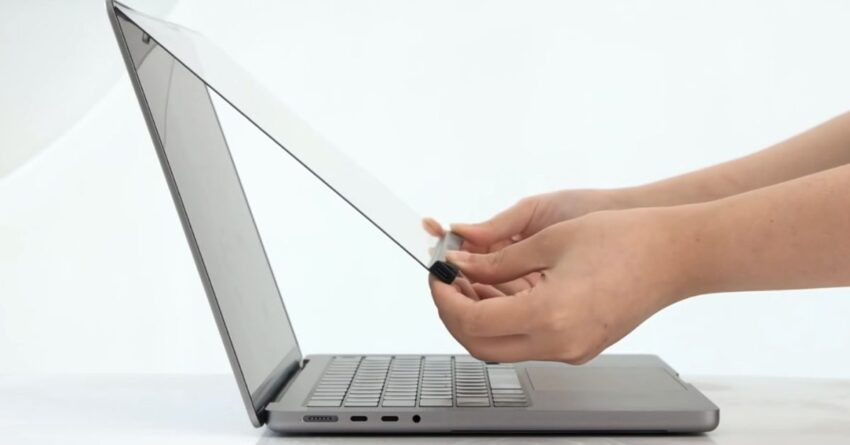
new macbook accessory adds touch support to A new third-party accessory called ‘Magic Screen’ is set to bring touch functionality to existing MacBook Air and MacBook Pro displays, ahead of the anticipated launch of Apple’s first touch-enabled Mac later this year.
new macbook accessory adds touch support to
Introduction to the Magic Screen
The Magic Screen accessory is designed to enhance the user experience for MacBook users by introducing touch capabilities to their existing devices. This innovation comes at a time when the demand for touch-enabled laptops is on the rise, particularly as more users seek versatile devices that can cater to both traditional computing and touch-based interactions. The accessory is expected to be compatible with various models of MacBook Air and MacBook Pro, making it a potentially game-changing addition for many users.
Features of the Magic Screen
The Magic Screen accessory boasts several features aimed at improving the usability of MacBooks. Some of the key features include:
- Touch Sensitivity: The accessory is designed to provide a responsive touch interface, allowing users to interact with their screens in a more intuitive manner.
- Easy Installation: Users can expect a straightforward installation process, enabling them to set up the accessory without needing extensive technical knowledge.
- Compatibility: The Magic Screen is reportedly compatible with a wide range of MacBook models, including various iterations of the MacBook Air and MacBook Pro.
- Durability: The accessory is constructed with high-quality materials, ensuring that it can withstand regular use without compromising performance.
Market Context and Demand for Touch Functionality
The introduction of the Magic Screen comes at a time when the market is increasingly leaning towards touch-enabled devices. Many users have expressed a desire for touch functionality in laptops, especially as they become accustomed to the convenience offered by tablets and smartphones. The ability to interact with a device directly through touch can enhance productivity, particularly in creative fields such as graphic design and video editing.
Apple has long been known for its innovative products, and the anticipation surrounding the rumored touch-enabled Mac is a testament to the company’s influence in the tech industry. However, until Apple officially releases its own touch-enabled Mac, third-party solutions like the Magic Screen may fill the gap for users eager to adopt touch technology.
Implications of Touch Technology on User Experience
The integration of touch technology into laptops has significant implications for user experience. Touch functionality can streamline workflows, allowing users to navigate applications and perform tasks more efficiently. For instance, graphic designers can manipulate images with greater precision, while educators can engage students in interactive lessons.
Moreover, the introduction of touch capabilities can also enhance accessibility for users with disabilities. Touch interfaces can provide alternative methods of interaction that may be more suitable for individuals with specific needs. This inclusivity is an important consideration as technology continues to evolve.
Stakeholder Reactions
The announcement of the Magic Screen has garnered mixed reactions from various stakeholders in the tech community. Some users are excited about the prospect of adding touch functionality to their existing devices, viewing it as a cost-effective solution compared to purchasing a new laptop. Others, however, remain skeptical about the practicality and performance of third-party accessories.
Industry analysts have noted that while the Magic Screen may appeal to a niche market, it could also face challenges in gaining widespread adoption. Users may be hesitant to invest in an accessory that could potentially compromise the integrity of their devices or not perform as expected. Furthermore, the quality of touch response and overall user experience will be critical factors in determining the accessory’s success.
Apple’s Position and Future Developments
As the tech community eagerly awaits the launch of Apple’s first touch-enabled Mac, it is essential to consider how the company may respond to the emergence of third-party solutions like the Magic Screen. Historically, Apple has maintained a tight grip on its ecosystem, often discouraging third-party modifications that could interfere with the user experience.
However, the growing demand for touch functionality may prompt Apple to reconsider its stance. If the Magic Screen proves to be a popular accessory, it could influence Apple’s future product development strategies. The company may feel pressured to accelerate its timeline for releasing a touch-enabled Mac or enhance the touch capabilities of its existing products.
Conclusion
The introduction of the Magic Screen accessory represents a significant development in the ongoing evolution of laptop technology. By bringing touch functionality to existing MacBook models, this third-party solution aims to meet the growing demand for versatile and interactive devices. As users increasingly seek ways to enhance their computing experience, the Magic Screen could serve as a valuable tool for those looking to bridge the gap until Apple’s official touch-enabled Mac is released.
As the tech landscape continues to evolve, it will be interesting to see how both consumers and industry players respond to this new accessory. Whether the Magic Screen will succeed in capturing the attention of MacBook users remains to be seen, but it undoubtedly highlights the shifting expectations surrounding laptop functionality in today’s digital age.
Source: Original report
Was this helpful?
Explore more: More Hardware & Devices Tech News Blog
Last Modified: January 7, 2026 at 9:43 am
16 views