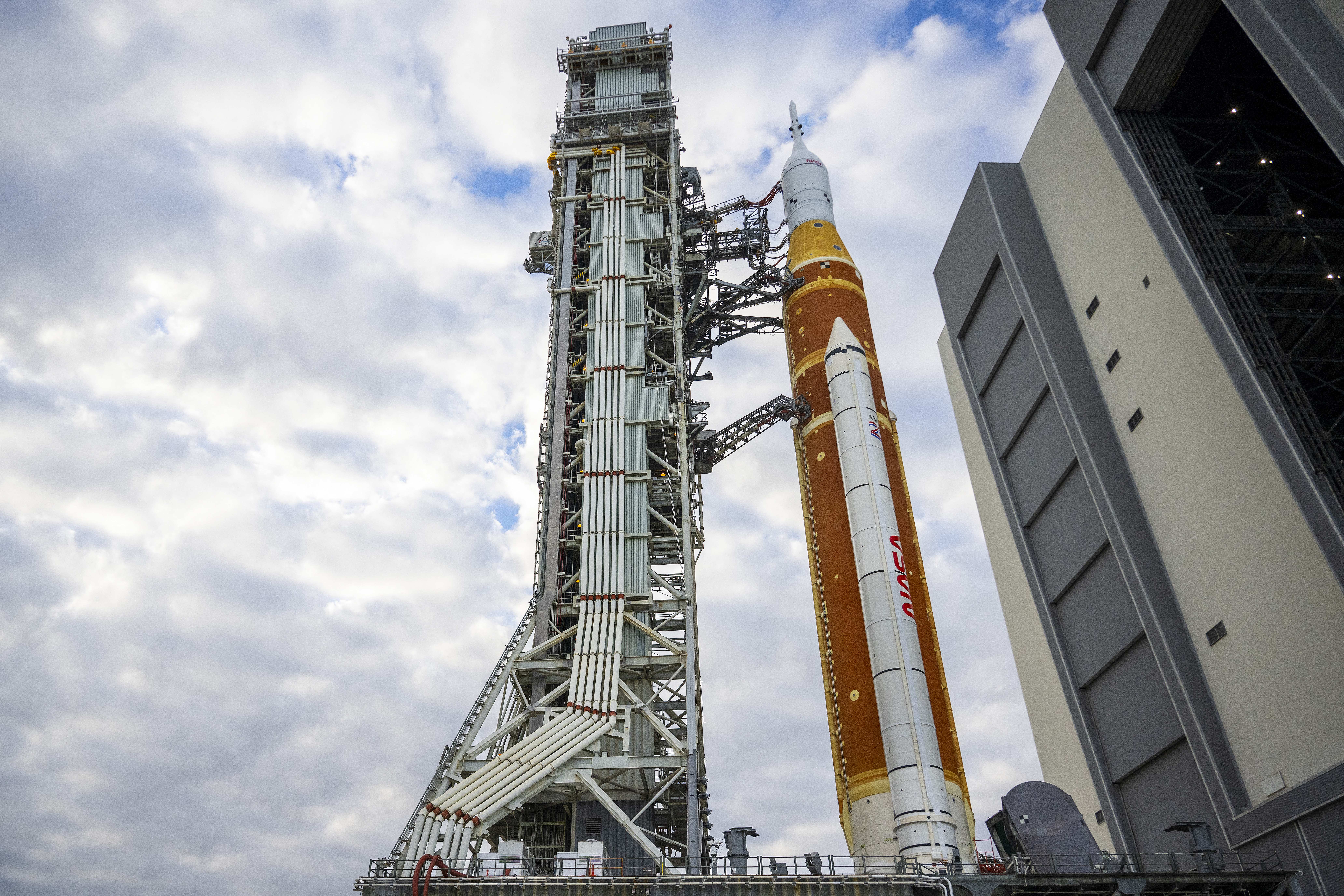
nasa wants to put a 20 billion NASA is embarking on an ambitious initiative to establish a $20 billion lunar base aimed at creating a sustained human presence on the Moon.
nasa wants to put a 20 billion
NASA’s Vision for a Lunar Base
During NASA’s recent Ignition event, Administrator Jared Isaacman unveiled a transformative plan for the agency’s future, focusing on the construction of a lunar base. This initiative is part of a broader strategy to enhance human exploration beyond Earth, with the Moon serving as a critical stepping stone for future missions to Mars and beyond. Isaacman emphasized that this lunar base will not only support scientific research but also facilitate the development of technologies essential for long-term space exploration.
Goals and Objectives
The proposed lunar base is designed to establish an “enduring presence” on the Moon, which is pivotal for several reasons:
- Scientific Research: The base will provide a platform for extensive scientific studies, including lunar geology, astrobiology, and the effects of long-term space habitation on human health.
- Resource Utilization: The Moon is rich in resources, including water ice and rare minerals. Establishing a base will allow for in-situ resource utilization, which can significantly reduce the costs and logistics of transporting materials from Earth.
- Technological Development: The lunar environment will serve as a testing ground for technologies that will be crucial for future missions to Mars, such as life support systems, habitat construction, and energy generation.
Impact on Existing Projects
The announcement of the lunar base comes with significant implications for NASA’s ongoing projects. Notably, the agency has decided to pause its Gateway project, which was intended to establish a space station in lunar orbit. This decision reflects a strategic pivot towards building infrastructure that supports sustained human presence on the Moon rather than temporary missions.
Understanding the Gateway Project
The Gateway was envisioned as a multi-purpose outpost orbiting the Moon, serving as a staging point for lunar landings and a hub for deep space exploration. It was designed to facilitate international collaboration and support various missions, including crewed missions to Mars. However, with the new focus on a lunar base, NASA aims to prioritize the development of more permanent infrastructure on the lunar surface.
Nuclear-Powered Spacecraft to Mars
In addition to the lunar base, Isaacman also highlighted plans for a nuclear-powered spacecraft intended for missions to Mars. This spacecraft is expected to leverage advanced nuclear propulsion technology, which could significantly reduce travel time to the Red Planet. The use of nuclear power for space travel presents several advantages:
- Increased Efficiency: Nuclear propulsion systems can provide continuous thrust over extended periods, allowing spacecraft to reach their destinations faster than conventional chemical rockets.
- Extended Mission Duration: The ability to generate power for long durations is crucial for deep space missions, where solar energy may be insufficient.
- Enhanced Payload Capacity: With more efficient propulsion, spacecraft can carry larger payloads, including scientific instruments and supplies for crewed missions.
Funding and Budget Considerations
The proposed $20 billion budget for the lunar base raises questions about funding and resource allocation within NASA. The agency has faced budget constraints in recent years, and securing the necessary funding for such an ambitious project will require careful planning and collaboration with various stakeholders.
Potential Funding Sources
NASA may explore multiple avenues for funding the lunar base, including:
- Government Appropriations: Continued support from Congress will be essential, especially as lawmakers evaluate the agency’s budget priorities.
- Public-Private Partnerships: Collaborating with private companies could provide additional resources and expertise, particularly in areas like construction, logistics, and technology development.
- International Collaboration: Engaging with international space agencies could lead to shared funding and resources, enhancing the project’s feasibility and scope.
Stakeholder Reactions
The announcement of the lunar base and the shift in focus from the Gateway project has elicited a range of reactions from various stakeholders, including scientists, industry experts, and policymakers.
Scientific Community
Many scientists have expressed enthusiasm about the potential for a lunar base to advance our understanding of the Moon and its resources. The opportunity to conduct long-term research in a stable environment is seen as a significant step forward in lunar exploration. However, some researchers have voiced concerns about the implications of pausing the Gateway project, emphasizing the importance of having a lunar orbiting platform for deep space missions.
Industry Experts
Industry experts have highlighted the potential for economic growth and innovation stemming from the lunar base initiative. The construction and operation of a lunar base could create jobs and stimulate advancements in aerospace technology. However, they also caution that the success of the project will depend on effective collaboration between NASA and private companies.
Policymakers
Policymakers are likely to scrutinize the budgetary implications of the lunar base project. While there is bipartisan support for space exploration, concerns about fiscal responsibility may influence funding decisions. Engaging with lawmakers early in the planning process will be crucial for securing the necessary appropriations.
Long-Term Implications for Space Exploration
The establishment of a lunar base represents a significant milestone in humanity’s quest for space exploration. It aligns with NASA’s long-term vision of sending humans to Mars and beyond, reinforcing the Moon’s role as a critical stepping stone in this journey.
Preparing for Mars
The technologies and experiences gained from operating a lunar base will be invaluable for future Mars missions. As NASA aims to send astronauts to Mars in the coming decades, the lessons learned from living and working on the Moon will inform habitat design, life support systems, and mission planning.
International Collaboration
The lunar base initiative also opens the door for increased international collaboration in space exploration. As countries around the world invest in their own space programs, the potential for joint missions and shared resources could lead to a more unified approach to exploring the solar system.
Conclusion
NASA’s ambitious plan to establish a $20 billion lunar base marks a pivotal moment in the agency’s history and the future of space exploration. By focusing on creating a sustained human presence on the Moon, NASA aims to unlock new scientific discoveries, develop critical technologies, and pave the way for future missions to Mars. As the agency navigates the challenges of funding and collaboration, the success of this initiative will depend on the collective efforts of scientists, industry leaders, and policymakers committed to advancing humanity’s presence in space.
Source: Original report
Was this helpful?
Explore more: More General Technology Tech News Blog
Last Modified: March 25, 2026 at 3:39 am
9 views