
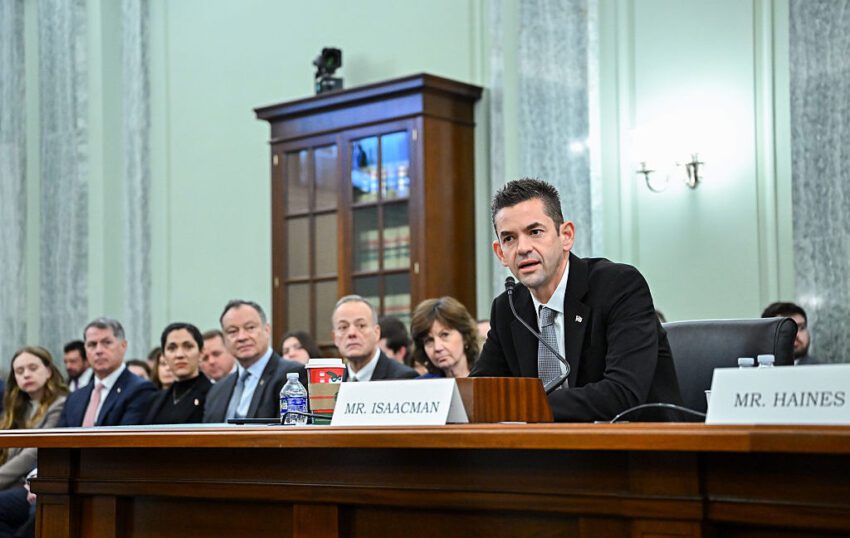
nasa nominee appears before congress defends plans Jared Isaacman, a private astronaut and entrepreneur, recently appeared before the U.S. Senate Committee on Commerce, Science, and Transportation for a second confirmation hearing as he seeks to become the next administrator of NASA.
nasa nominee appears before congress defends plans
Background on Jared Isaacman
Jared Isaacman is best known for his role as the commander of the Inspiration4 mission, which marked the first all-civilian spaceflight in September 2021. His experience in the aerospace industry, combined with his entrepreneurial spirit, positions him as a unique candidate for the leadership role at NASA. Isaacman has a history of advocating for space exploration and innovation, making him a compelling choice to lead the agency into a new era.
Details of the Confirmation Hearing
During the hearing held on Wednesday, Isaacman faced questions from senators regarding his vision for NASA and the agency’s future. The atmosphere was notably constructive, with no significant obstacles emerging that could hinder his confirmation. Isaacman reiterated his commitment to NASA’s Artemis Program, which aims to return humans to the Moon and eventually send astronauts to Mars. This ambitious program is seen as a critical step in maintaining U.S. leadership in space exploration.
Project Athena: A Vision for NASA’s Future
One of the focal points of Isaacman’s testimony was his draft plan for NASA, titled “Project Athena.” This initiative aims to assess how NASA can adapt to the rapidly evolving landscape of space exploration and technology. Isaacman emphasized the need for NASA to modernize its operations and strategies to remain competitive, particularly in light of increasing pressure from international rivals, especially China.
The Urgency of Action
Isaacman conveyed a sense of urgency during his testimony, highlighting that the time for action is now. He pointed out that China is making significant strides in its space program, which poses a direct challenge to U.S. supremacy in spaceflight. The growing capabilities of China’s space endeavors, including lunar missions and advancements in satellite technology, necessitate a proactive approach from NASA to ensure that the United States retains its leadership position.
Implications of Isaacman’s Vision
Isaacman’s vision for NASA is not just about maintaining the status quo; it is about redefining the agency’s role in a new era of space exploration. His focus on modernization and adaptation could lead to several significant changes within NASA, including:
- Increased Collaboration with Private Sector: Isaacman has a background in the private space industry, and his leadership could foster greater collaboration between NASA and private companies. This partnership could accelerate innovation and reduce costs associated with space missions.
- Focus on Sustainability: As space exploration continues to expand, the need for sustainable practices becomes paramount. Isaacman’s plan may include initiatives aimed at reducing the environmental impact of space missions and ensuring the long-term viability of space exploration.
- Enhanced International Cooperation: In the face of competition from nations like China, Isaacman may advocate for stronger international partnerships in space exploration. Collaborative efforts could lead to shared resources, knowledge, and technological advancements.
Stakeholder Reactions
Reactions to Isaacman’s nomination and his proposed plans have been mixed, reflecting the diverse opinions within the space community. Some stakeholders have expressed strong support for his vision, citing his experience and innovative ideas as essential for NASA’s future. Others, however, have raised concerns about the potential risks associated with increased privatization of space exploration.
Support from Industry Leaders
Many industry leaders have praised Isaacman’s nomination, viewing it as a positive step toward revitalizing NASA. They argue that his experience in the private sector can bring fresh perspectives to the agency, fostering a culture of innovation. Supporters believe that his leadership could lead to more efficient operations and a renewed focus on ambitious goals.
Concerns from Advocacy Groups
Conversely, some advocacy groups have voiced concerns regarding the potential implications of increased privatization in NASA’s operations. They worry that a greater reliance on private companies could compromise safety standards and prioritize profit over scientific exploration. These groups emphasize the need for NASA to maintain its core mission of exploration and discovery, rather than becoming overly commercialized.
The Broader Context of Space Exploration
The urgency of Isaacman’s message cannot be overstated, as the global landscape of space exploration is rapidly changing. Countries like China and Russia are making significant investments in their space programs, and private companies such as SpaceX and Blue Origin are reshaping the industry. The competition for resources, technology, and talent is intensifying, making it crucial for NASA to adapt and evolve.
China’s Growing Space Ambitions
China’s space program has made remarkable advancements in recent years, including successful lunar missions and the establishment of a modular space station. These developments have raised concerns among U.S. officials about the potential for China to surpass the United States in space capabilities. Isaacman’s emphasis on addressing this challenge reflects a broader recognition within the U.S. government of the need to respond strategically to international competition.
The Role of Private Companies
The rise of private space companies has transformed the landscape of space exploration. Companies like SpaceX have demonstrated the ability to launch payloads at a fraction of the cost of traditional government programs. Isaacman’s background in the private sector positions him to leverage these advancements for NASA’s benefit. By fostering collaboration with private companies, NASA can tap into innovative technologies and streamline its operations.
Conclusion
Jared Isaacman’s confirmation hearing marks a pivotal moment for NASA as it navigates the complexities of the modern space age. His commitment to the Artemis Program and his vision for Project Athena signal a proactive approach to ensuring that the United States remains a leader in space exploration. As the agency faces increasing competition from China and the evolving landscape of private space ventures, Isaacman’s leadership could be instrumental in shaping NASA’s future.
With a focus on modernization, collaboration, and sustainability, Isaacman’s plans have the potential to redefine NASA’s role in the global space community. As the confirmation process unfolds, stakeholders will be closely watching to see how Isaacman’s vision is received and implemented within the agency.
Source: Original report
Was this helpful?
Explore more: More General Technology Tech News Blog
Last Modified: December 4, 2025 at 1:37 am
16 views














