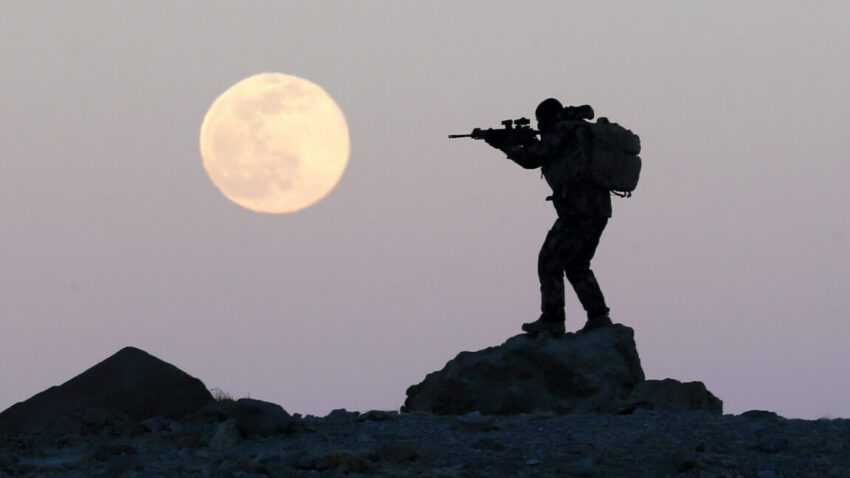
nasa is leading the way to the The upcoming Artemis II mission marks a significant milestone in the collaboration between NASA and the U.S. military, showcasing the dual roles of exploration and national security in space endeavors.
nasa is leading the way to the
Historical Context of Military Involvement in Space Exploration
The relationship between NASA and the U.S. military has deep roots, dating back to the early days of human spaceflight. Most of the original astronauts were military pilots, reflecting a time when the skills required for piloting spacecraft closely mirrored those needed for military aviation. This historical connection has evolved over the decades, with military personnel continuing to play pivotal roles in NASA missions.
As space exploration has advanced, the military’s involvement has expanded beyond just personnel. The U.S. Department of Defense has increasingly recognized the strategic importance of space, leading to the establishment of the U.S. Space Force in December 2019. This new branch of the military underscores the growing importance of space as a domain for national security, further intertwining military objectives with NASA’s exploration goals.
Artemis II Mission Overview
Scheduled for launch on Wednesday from Kennedy Space Center in Florida, Artemis II is poised to be the first crewed mission to the Moon’s vicinity since the Apollo program concluded in 1972. This mission will serve as a critical step toward NASA’s broader Artemis program, which aims to return humans to the lunar surface and eventually facilitate crewed missions to Mars.
The Crew
The Artemis II crew consists of four astronauts, each bringing unique expertise to the mission:
- Reid Wiseman (Commander): A former Navy test pilot, Wiseman has a wealth of experience in aviation and spaceflight. His leadership will be crucial as the crew embarks on this historic journey.
- Victor Glover (Pilot): Also a Navy test pilot, Glover has previously flown on the SpaceX Crew-1 mission to the International Space Station (ISS). His experience will be invaluable in navigating the complexities of the Artemis II mission.
- Christina Koch (Mission Specialist): Koch has made headlines for her record-breaking 328 days in space during her time on the ISS. Her expertise in science and engineering will contribute significantly to the mission’s objectives.
- Jeremy Hansen (Mission Specialist): A Canadian astronaut, Hansen brings an international perspective to the crew, symbolizing the collaborative spirit of space exploration.
Mission Objectives
The primary objective of Artemis II is to conduct a crewed flyby of the Moon, allowing the astronauts to test the capabilities of the Orion spacecraft and the Space Launch System (SLS) rocket. This mission will provide critical data and experience needed for future lunar landings, including Artemis III, which aims to land astronauts on the Moon’s surface.
During the mission, the crew will perform various tests and experiments, including evaluating the spacecraft’s life support systems and communication capabilities. These assessments are essential for ensuring the safety and success of future missions, particularly those that will involve longer durations in space.
The Role of the U.S. Space Force
While NASA is the lead agency for the Artemis program, the U.S. Space Force will play a crucial supporting role during the launch and mission operations. A range crew from the Space Force will be responsible for tracking the SLS rocket as it ascends into space, ensuring that the launch proceeds safely and as planned.
Safety Protocols
One of the primary responsibilities of the Space Force crew is to ensure public safety during the launch. This includes monitoring the rocket’s trajectory and being prepared to send a destruct signal if the rocket veers off course. Such protocols are standard in space launches, reflecting the inherent risks involved in sending humans into space.
Fortunately, the Orion capsule is equipped with an abort rocket designed to pull the spacecraft away from the launch vehicle in the event of a catastrophic failure. This safety feature is a testament to the advancements in technology and safety measures that have been implemented since the early days of space exploration.
Implications for Future Space Missions
The Artemis II mission is not just a standalone event; it is part of a larger vision for human space exploration. NASA’s Artemis program aims to establish a sustainable presence on the Moon, which will serve as a stepping stone for future crewed missions to Mars. The collaboration with the U.S. military, particularly the Space Force, highlights the multifaceted nature of modern space exploration, where scientific discovery and national security interests intersect.
International Collaboration
The Artemis program also emphasizes international collaboration in space exploration. The inclusion of Canadian astronaut Jeremy Hansen in the Artemis II crew reflects the growing partnerships between nations in pursuing common goals in space. Such collaborations are essential for sharing knowledge, resources, and expertise, ultimately advancing humanity’s understanding of space.
Public Interest and Support
The Artemis II mission is expected to generate significant public interest, reminiscent of the excitement surrounding the Apollo missions. As NASA continues to engage with the public through educational initiatives and outreach programs, the agency aims to inspire the next generation of scientists, engineers, and explorers. The involvement of military personnel in these missions may also enhance public support, as it underscores the commitment to safety and national security in space endeavors.
Challenges Ahead
Despite the excitement surrounding the Artemis II mission, several challenges remain. The complexities of space travel, including the need for advanced technology and rigorous safety protocols, require ongoing investment and innovation. Additionally, the collaboration between NASA and the military must navigate bureaucratic hurdles and differing priorities, ensuring that both scientific exploration and national security objectives are met.
Technological Innovations
As NASA prepares for Artemis II, the agency is also focused on technological innovations that will enhance the safety and efficiency of space missions. The development of the SLS rocket and Orion spacecraft represents significant advancements in aerospace engineering, but continuous improvements will be necessary to meet the demands of future missions.
Funding and Resources
Funding for the Artemis program has been a topic of discussion among lawmakers and stakeholders. Ensuring adequate resources for the program is essential for its success, particularly as NASA aims to establish a sustainable lunar presence. The collaboration with the military may provide additional support and resources, but it also raises questions about budget allocations and priorities within the federal government.
Conclusion
The Artemis II mission represents a pivotal moment in the ongoing partnership between NASA and the U.S. military, highlighting the importance of collaboration in advancing human space exploration. As the mission approaches, the world watches with anticipation, eager to witness the next chapter in humanity’s journey to the Moon and beyond. With the combined expertise of astronauts, engineers, and military personnel, Artemis II is set to pave the way for future missions that will expand our understanding of space and our place within it.
Source: Original report
Was this helpful?
Last Modified: April 1, 2026 at 12:36 pm
1 views