nasa did eventually solve artemis ii s NASA successfully resolved a technical glitch involving Microsoft Outlook during the Artemis II mission, showcasing the complexities of managing technology in space.
nasa did eventually solve artemis ii s
Overview of Artemis II Mission
The Artemis II mission marks a significant milestone for NASA as it aims to return humans to the Moon for the first time since the Apollo program. Launched from the Kennedy Space Center, this mission is part of a broader initiative to establish a sustainable human presence on the lunar surface and eventually pave the way for future Mars exploration. The Artemis II crew, which includes commander Reid Wiseman, pilot Victor Glover, mission specialist Christina Koch, and mission specialist Jeremy Hansen, is tasked with testing the Orion spacecraft’s capabilities in deep space.
Launch Details
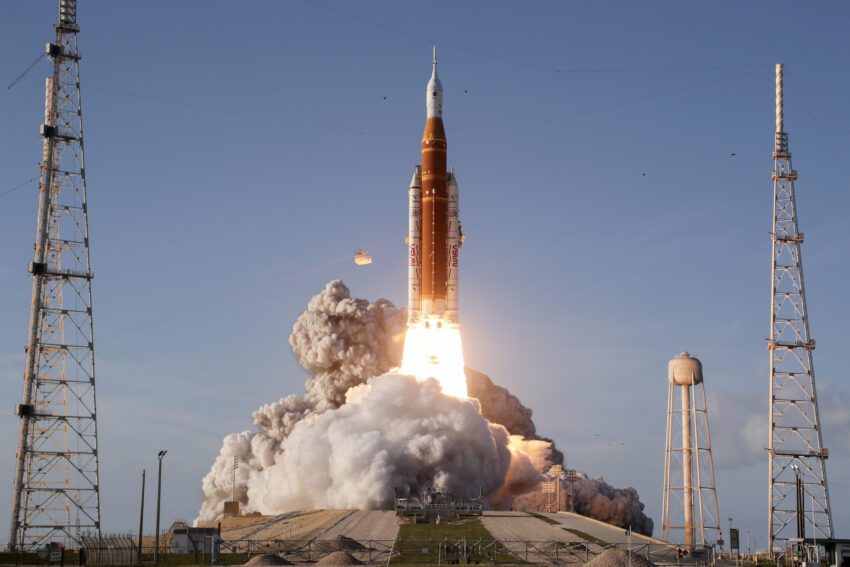
On Wednesday, the Artemis II rocket successfully lifted off, igniting excitement both within NASA and among space enthusiasts worldwide. The mission is designed to orbit the Moon and return to Earth, providing critical data and experience for future missions, including Artemis III, which aims to land astronauts on the lunar surface.
Technical Glitches in Space
As the mission progressed, Commander Reid Wiseman encountered a familiar issue that many users on Earth can relate to: a malfunctioning Microsoft Outlook application. During a live-streamed conversation with Mission Control, Wiseman reported, “I also see that I have two Microsoft Outlooks and neither one of those are working.” This moment highlighted not only the challenges of operating advanced technology in space but also the human element of dealing with everyday tech issues.
Importance of Communication
Effective communication is critical during space missions, particularly when astronauts are thousands of miles away from Earth. The ability to send and receive messages, manage schedules, and coordinate tasks is essential for the success of any mission. Outlook, as part of the Microsoft Office suite, is often used for these purposes, making its failure a significant concern.
Mission Control’s Response
In response to the issue, Mission Control quickly sprang into action. The team utilized remote access to Wiseman’s personal computing device (PCD), a Microsoft Surface Pro, to diagnose and resolve the problem. This rapid response underscores the importance of having robust support systems in place for astronauts, allowing them to focus on their mission rather than technical difficulties.
Technical Support in Space
NASA’s ability to troubleshoot and fix technical issues remotely is a testament to the agency’s extensive planning and preparation. The challenges of space travel require that all systems be thoroughly tested before launch, but unforeseen issues can still arise. Having a skilled team on the ground ready to assist astronauts is vital for maintaining mission integrity.
NASA’s Commitment to Technology
NASA’s reliance on technology is not just limited to communication tools like Outlook. The agency employs a wide range of advanced systems for navigation, life support, and scientific research. Each of these systems must function flawlessly to ensure the safety and success of the mission. The incident with Outlook serves as a reminder that even the most sophisticated technology can encounter glitches.
Implications for Future Missions
The resolution of the Outlook issue during Artemis II has broader implications for future missions. As NASA prepares for more ambitious projects, including the Artemis III lunar landing and eventual Mars missions, the agency must continue to refine its approach to technology management. Lessons learned from incidents like this can inform future training and operational protocols.
Stakeholder Reactions
The incident has drawn reactions from various stakeholders, including space enthusiasts, technology experts, and NASA officials. Many have expressed appreciation for the transparency with which NASA handled the situation. The live-streamed conversation provided a glimpse into the realities of space travel, making the mission more relatable to the public.
Public Engagement
Public interest in space exploration has surged in recent years, fueled by advancements in technology and the growing accessibility of information. NASA’s decision to livestream the Artemis II mission has engaged a broader audience, allowing people to witness the challenges and triumphs of space travel in real time. This transparency fosters a sense of connection between the public and the astronauts, making the mission feel more like a shared human endeavor.
Conclusion
The successful resolution of the Microsoft Outlook glitch during the Artemis II mission serves as a reminder of the complexities involved in space exploration. While technology plays a crucial role in enabling missions, it is not infallible. NASA’s ability to troubleshoot and resolve issues in real time demonstrates the agency’s commitment to ensuring the success of its missions and the safety of its astronauts. As the Artemis program continues to evolve, the lessons learned from incidents like this will undoubtedly shape the future of space exploration.
In summary, the Artemis II mission is not just a technical endeavor; it is a human story filled with challenges, triumphs, and the relentless pursuit of knowledge. As NASA forges ahead with its plans for lunar exploration and beyond, the agency remains committed to overcoming obstacles, both technical and human, in the quest to explore the final frontier.
Source: Original report
Was this helpful?
Last Modified: April 4, 2026 at 4:38 am
0 views