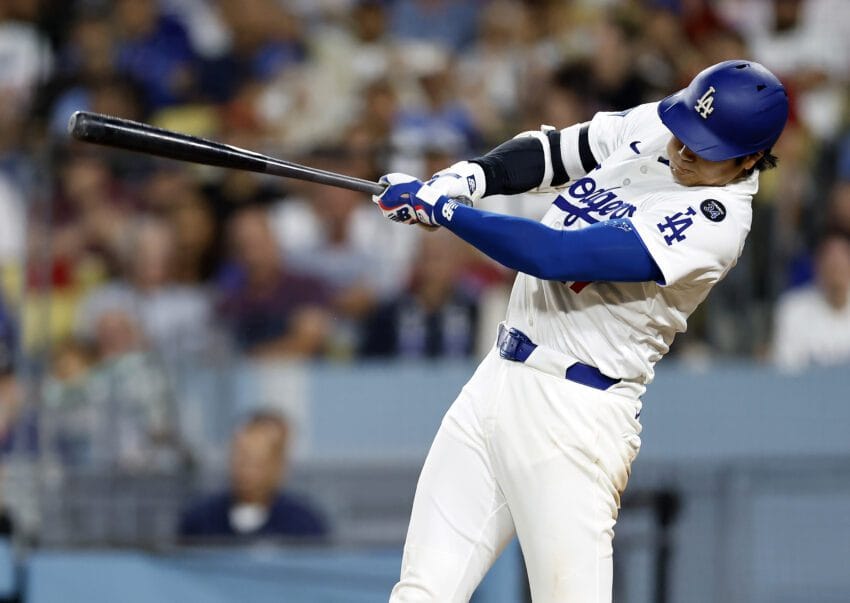
mlb will use robot umpires beginning next Major League Baseball (MLB) has announced that it will implement robot umpires at home plate starting in the 2026 season, marking a significant shift in how the game is officiated.
mlb will use robot umpires beginning next
Introduction to the Automated Ball-Strike System
The Automated Ball-Strike System (ABS) aims to enhance the accuracy and fairness of pitch calls, a responsibility currently held by human umpires. This decision follows extensive testing of the system in various settings, including minor league games, spring training, and special events like the 2025 All-Star Game. The ABS is designed to address long-standing concerns regarding the subjectivity of strike zone calls, which can vary based on individual players’ stances and sizes.
The Mechanics of ABS
The ABS utilizes a network of 12 Hawk-Eye cameras strategically positioned around the field. These cameras are connected to a private 5G network provided by T-Mobile, allowing for real-time tracking of pitches. This technology has been successfully employed in other sports, such as tennis, to determine whether a ball is in or out of play, and in football for measuring down and distance. The system is expected to provide a more consistent and objective assessment of whether a pitch is a ball or a strike.
Human Umpires Still in the Game
Despite the introduction of the ABS, human umpires will not be entirely replaced. The system will only be activated when a player challenges an umpire’s call. Each team will have two challenges per game, and only the pitcher, catcher, or batter can initiate a review. Notably, if a challenge is made and the call is overturned, the team does not lose that challenge. MLB has indicated that the review process will take approximately 15 seconds, ensuring minimal disruption to the flow of the game. Additionally, the league plans to certify each player’s official height to accurately determine their individual strike zone.
Player Reactions and Perspectives
The decision to implement the ABS has sparked varied reactions among players, coaches, and analysts. MLB Commissioner Rob Manfred noted that players expressed a strong preference for the challenge format rather than a complete reliance on automated systems for every pitch. This feedback played a crucial role in shaping the current implementation plan.
Impact on Different Positions
As reported by The Athletic, players’ responses to the ABS may vary significantly based on their positions and the game situation. For example, a full count with bases loaded presents a high-stakes scenario where a player’s strategy may differ from that of a less consequential call. The psychological and tactical implications of the ABS could influence how players approach their at-bats and pitching strategies.
Philosophical Considerations
Beyond the technical aspects, the introduction of ultra-precise technology raises philosophical questions about the nature of the game itself. Baseball is often characterized by its human elements, including the occasional frustration that comes with bad calls. The debate centers around whether litigating the minutiae of a strike zone enhances or detracts from the enjoyment of the game. While some fans may welcome the increased accuracy, others may argue that the unpredictability of human error adds to the sport’s charm.
Statistical Insights from Testing
During the testing phase of the ABS, MLB released several intriguing statistics that shed light on how the system performed in practice:
- Teams challenged just over four pitches per game, with a success rate nearing 50%. This aligns with results observed during minor league testing.
- Both offense and defense challenged a similar number of pitches; however, the defensive teams had a slightly higher success rate, overturning calls 54% of the time compared to 50% for offensive challenges.
- Catchers emerged as the most successful challengers, achieving a 56% overturn rate, while hitters and pitchers had success rates of 50% and 41%, respectively.
Implications for Game Strategy
The statistics indicate that the ABS could significantly impact game strategy. With teams having the ability to challenge calls, the dynamics of decision-making during critical moments may shift. Managers and players will need to weigh the risks and benefits of using their challenges wisely, particularly in high-pressure situations where every pitch counts.
Future of Umpiring in MLB
The introduction of the ABS is part of a broader trend in professional sports toward the integration of technology to improve officiating. Other leagues, such as the NFL and NBA, have already embraced technology to assist referees and umpires in making more accurate calls. As MLB adopts the ABS, it may pave the way for further technological advancements in the sport, potentially leading to even more automated systems in the future.
Potential Challenges Ahead
While the ABS presents numerous advantages, it is not without its challenges. The reliance on technology raises concerns about potential malfunctions or inaccuracies in the system. If the cameras fail or the network experiences issues, the integrity of the game could be compromised. Moreover, there may be resistance from traditionalists who believe that the human element of officiating should be preserved.
Stakeholder Reactions
Reactions from various stakeholders in the baseball community have been mixed. Some players and coaches have expressed enthusiasm for the increased accuracy that the ABS promises, while others remain skeptical about its impact on the game. Fans, too, have voiced their opinions, with some welcoming the change and others fearing it may alter the essence of baseball.
Conclusion
The decision to implement robot umpires in MLB starting in 2026 marks a pivotal moment in the evolution of the sport. As the league moves forward with the Automated Ball-Strike System, it will be essential to monitor its impact on gameplay, player strategies, and fan experiences. The balance between human judgment and technological precision will undoubtedly shape the future of baseball, and the coming seasons will reveal whether this innovative approach enhances or diminishes the game.
Source: Original report
Was this helpful?
Explore more: More Gaming Tech News Blog
Last Modified: September 24, 2025 at 2:38 am
12 views