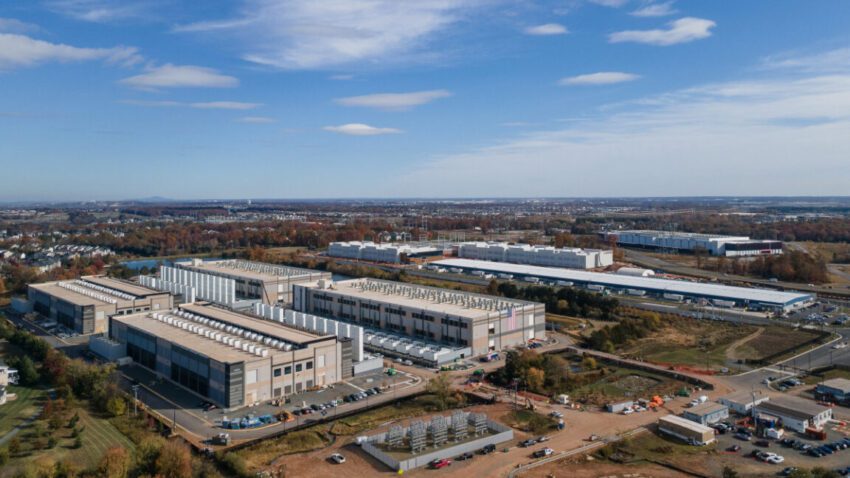
microsoft vows to cover full power costs Microsoft has unveiled a significant initiative aimed at addressing the growing concerns surrounding the energy consumption of data centers that support artificial intelligence (AI) technologies.
microsoft vows to cover full power costs
Introduction to the Initiative
On Tuesday, Microsoft announced its “Community-First AI Infrastructure” initiative, a commitment to cover the full electricity costs for its data centers while also opting out of seeking local property tax reductions. This initiative comes at a time when the demand for generative AI services has surged, prompting major tech companies to rapidly expand their data center capabilities. The implications of this expansion are profound, particularly for the communities that host these facilities.
Context of Growing Demand for AI Services
The past year has seen an unprecedented rise in the demand for generative AI services, which include applications such as chatbots and image generators. As these technologies become increasingly integrated into various sectors, the need for robust data infrastructure has intensified. Companies like Microsoft, Google, and Amazon are racing to establish new data centers to support these services, leading to significant investments in infrastructure.
This rapid expansion raises critical questions about the environmental and economic impacts on the communities where these data centers are located. Local residents and officials have expressed concerns regarding the potential for increased electricity costs and the strain on local resources, particularly water supplies needed for cooling the servers.
Community Concerns and Economic Implications
As data centers proliferate, communities across the United States are grappling with the consequences of hosting these energy-intensive facilities. The International Energy Agency (IEA) has projected that global electricity demand from data centers will more than double by 2030, reaching approximately 945 terawatt-hours (TWh). The United States is expected to account for nearly half of this growth, raising alarms about the sustainability of the existing electricity transmission infrastructure, much of which is over 40 years old.
Local governments and residents have raised valid concerns about how these data centers impact their daily lives. Key issues include:
- Increased Electricity Rates: The heavy power consumption of data centers can lead to higher residential electricity rates as local utilities struggle to meet the increased demand.
- Water Resource Strain: Data centers require significant amounts of water for cooling, which can exacerbate existing water shortages in some regions.
- Property Tax Revenue: Many tech companies seek tax incentives, which can reduce local property tax revenues that are crucial for funding public services.
Microsoft’s Commitment to Local Communities
In response to these concerns, Microsoft’s “Community-First AI Infrastructure” initiative aims to alleviate some of the burdens placed on local communities. By committing to cover the full electricity costs for its data centers, Microsoft is taking a proactive approach to mitigate the financial impact on residents. This decision reflects a broader trend among tech companies to adopt more responsible and sustainable practices as they expand their operations.
Furthermore, Microsoft’s refusal to seek local property tax reductions signifies a commitment to contributing to the local economy. This move is expected to provide a more stable revenue stream for local governments, which can be used to fund essential services such as education, public safety, and infrastructure development.
Stakeholder Reactions
The announcement has garnered mixed reactions from various stakeholders. Local government officials and community leaders have largely welcomed Microsoft’s initiative, viewing it as a positive step toward fostering a more collaborative relationship between tech companies and the communities they impact.
For instance, a mayor from a city that hosts one of Microsoft’s data centers expressed optimism about the initiative, stating, “This commitment shows that Microsoft is willing to invest in our community and take responsibility for the impact of their operations. It sets a precedent for other tech companies to follow.”
However, some critics argue that while Microsoft’s initiative is commendable, it does not fully address the broader issues related to energy consumption and environmental sustainability. Environmental advocates have pointed out that the focus should not only be on covering electricity costs but also on reducing overall energy consumption and transitioning to renewable energy sources.
Broader Implications for the Tech Industry
Microsoft’s initiative could serve as a model for other tech companies as they navigate the challenges associated with expanding their data center operations. The growing demand for AI services is unlikely to diminish, and companies will need to find ways to balance their operational needs with the concerns of local communities.
As the IEA’s projections indicate, the demand for electricity from data centers will continue to rise, making it imperative for tech companies to adopt sustainable practices. This includes investing in energy-efficient technologies, exploring renewable energy sources, and engaging with local communities to understand their needs and concerns.
Future Outlook
Looking ahead, the tech industry will face increasing scrutiny regarding its energy consumption and environmental impact. As more companies follow Microsoft’s lead in addressing community concerns, it may lead to a shift in how data centers are designed and operated. Innovations in cooling technologies, energy-efficient server designs, and renewable energy sourcing could become standard practices in the industry.
Moreover, as governments and regulatory bodies become more aware of the implications of data center expansion, there may be new regulations and incentives aimed at promoting sustainable practices within the tech sector. Companies that proactively engage with local communities and invest in sustainable infrastructure may find themselves better positioned to navigate these changes.
Conclusion
Microsoft’s “Community-First AI Infrastructure” initiative represents a significant step toward addressing the challenges posed by the rapid expansion of data centers. By committing to cover electricity costs and forgoing property tax reductions, Microsoft is taking responsibility for its impact on local communities. As the demand for AI services continues to grow, the tech industry must prioritize sustainability and community engagement to ensure that the benefits of technological advancements are shared equitably.
Ultimately, the success of this initiative may depend on the willingness of other tech companies to adopt similar practices and engage with the communities that host their operations. As the landscape of AI and data centers evolves, the focus on responsible growth and sustainability will be crucial for fostering positive relationships between tech companies and local residents.
Source: Original report
Was this helpful?
Last Modified: January 14, 2026 at 7:41 am
0 views