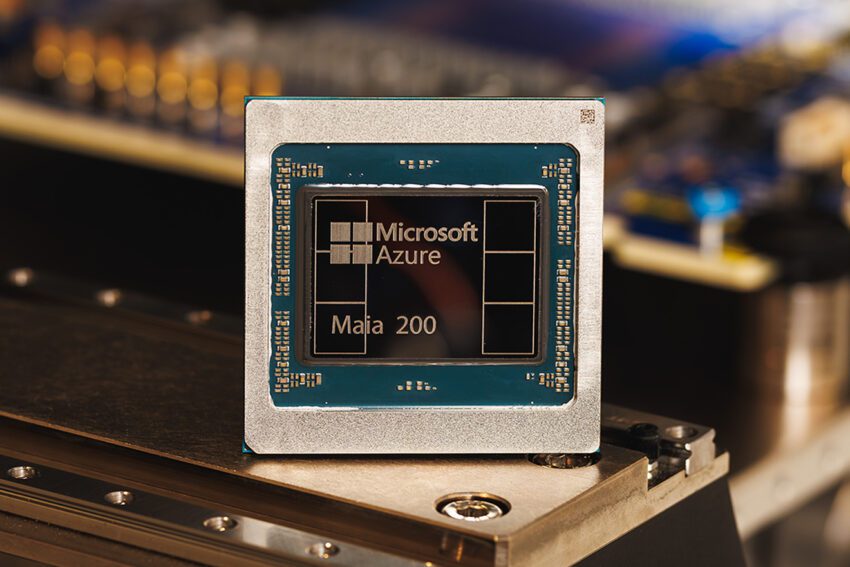
microsoft s latest ai chip goes head-to-head Microsoft has unveiled its latest AI chip, the Maia 200, positioning it as a formidable competitor against offerings from Amazon and Google.
microsoft s latest ai chip goes head-to-head
Introduction to the Maia 200
Microsoft’s announcement of the Maia 200 marks a significant advancement in its AI hardware capabilities. This new AI accelerator is built on TSMC’s cutting-edge 3nm manufacturing process, which allows for enhanced performance and efficiency. The Maia 200 is designed to support large-scale AI workloads, addressing the growing demand for powerful computing resources in various sectors, including cloud computing, machine learning, and artificial intelligence.
Performance Metrics
One of the standout features of the Maia 200 is its impressive performance metrics. According to Microsoft, the Maia 200 delivers three times the FP4 performance of Amazon’s third-generation Trainium chip. Furthermore, it surpasses Google’s seventh-generation TPU in FP8 performance. These performance benchmarks are crucial as they highlight the chip’s capability to handle complex AI models and tasks efficiently.
Technical Specifications
The Maia 200 is equipped with over 100 billion transistors, a significant leap from its predecessor. This high transistor count is essential for executing large-scale AI computations, enabling the chip to manage multiple operations simultaneously. Scott Guthrie, executive vice president of Microsoft’s Cloud and AI division, emphasized that the Maia 200 can “effortlessly run today’s largest models, with plenty of headroom for even bigger models in the future.” This statement indicates that the chip is not only designed for current applications but is also future-proofed for upcoming advancements in AI technology.
Applications of the Maia 200
Microsoft plans to leverage the capabilities of the Maia 200 across various applications within its Azure cloud platform. The chip is expected to enhance the performance of AI-driven services, including natural language processing, computer vision, and predictive analytics. As organizations increasingly rely on AI to drive business decisions and improve operational efficiency, the Maia 200 is poised to play a critical role in meeting these demands.
Integration with Azure
The integration of the Maia 200 into Microsoft’s Azure platform will provide developers and businesses with access to advanced AI capabilities. This integration is particularly significant as Azure competes with other cloud service providers, including Amazon Web Services (AWS) and Google Cloud. By offering superior AI performance, Microsoft aims to attract more customers to its cloud services, thereby increasing its market share in the competitive cloud landscape.
Market Implications
The introduction of the Maia 200 has broader implications for the AI and cloud computing markets. As companies like Microsoft, Amazon, and Google continue to invest heavily in AI hardware, the competition is likely to drive innovation and reduce costs for consumers. This competitive environment can lead to more advanced AI applications and services, benefiting businesses and end-users alike.
Competitive Landscape
Amazon’s Trainium and Google’s TPU have long been dominant players in the AI chip market. However, with the launch of the Maia 200, Microsoft is signaling its intent to challenge this status quo. The performance metrics of the Maia 200 suggest that it could attract developers who are seeking powerful and efficient AI solutions. As these companies vie for dominance in the AI space, the advancements in chip technology will likely accelerate, leading to more sophisticated AI applications.
Stakeholder Reactions
The announcement of the Maia 200 has garnered attention from various stakeholders in the tech industry. Analysts and industry experts have expressed optimism about Microsoft’s commitment to AI hardware development. Many see this move as a strategic effort to bolster Microsoft’s position in the cloud computing market, particularly against its primary competitors.
Industry Expert Insights
Industry analysts have noted that the Maia 200’s performance metrics could significantly impact the AI landscape. “Microsoft’s investment in AI hardware is a clear indication of its long-term strategy to dominate the cloud computing space,” said one analyst. “The Maia 200 could be a game-changer for enterprises looking to leverage AI for their operations.”
Future Developments
Looking ahead, the Maia 200 is expected to pave the way for further advancements in AI chip technology. Microsoft has indicated that it is committed to ongoing research and development in this area, which could lead to even more powerful chips in the future. As AI continues to evolve, the demand for high-performance computing resources will only increase, making innovations like the Maia 200 critical for meeting these needs.
Potential for Future Models
Scott Guthrie’s statement about the Maia 200 having “plenty of headroom for even bigger models in the future” suggests that Microsoft is not only focused on current capabilities but is also preparing for the next generation of AI applications. This forward-thinking approach could position Microsoft as a leader in AI hardware, especially as the technology landscape continues to shift.
Conclusion
The launch of the Maia 200 represents a significant milestone for Microsoft in its quest to enhance its AI capabilities and compete with industry giants like Amazon and Google. With its impressive performance metrics, high transistor count, and integration into the Azure platform, the Maia 200 is poised to make a substantial impact on the AI and cloud computing markets. As the competition in this space intensifies, stakeholders will be closely watching how the Maia 200 performs in real-world applications and how it influences the future of AI technology.
Source: Original report
Was this helpful?
Explore more: More Hardware & Devices Tech News Blog
Last Modified: January 26, 2026 at 11:52 pm
11 views