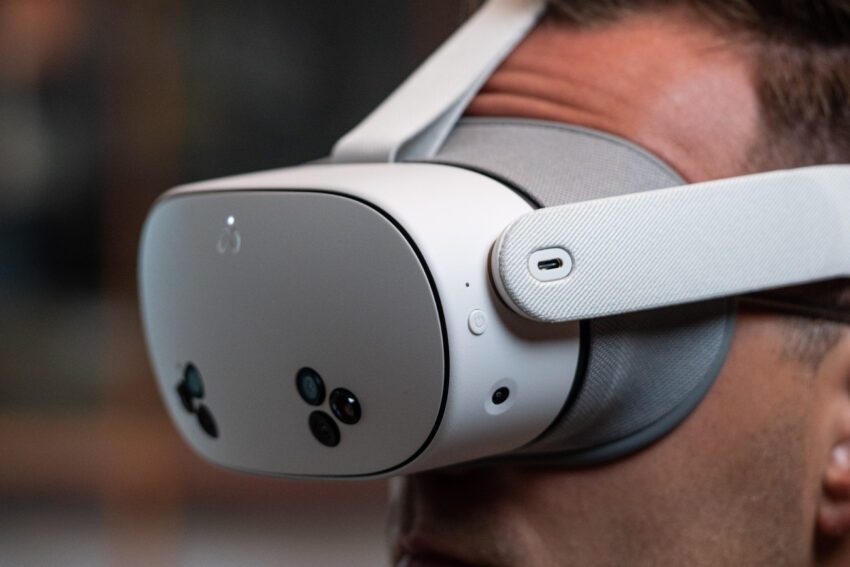
meta has discontinued its metaverse for work Meta has announced the discontinuation of its Horizon Workrooms, a virtual workspace designed for collaboration among remote workers.
meta has discontinued its metaverse for work
Background on Horizon Workrooms
In October 2021, Facebook underwent a significant rebranding, adopting the name “Meta” to reflect its focus on building the metaverse—a collective virtual space that integrates augmented reality (AR) and virtual reality (VR) technologies. At the forefront of this initiative was Horizon Workrooms, a virtual reality platform aimed at facilitating remote work through immersive collaboration tools. The platform was introduced by CEO Mark Zuckerberg, who envisioned it as a revolutionary space where employees could meet, brainstorm, and work together regardless of their physical locations.
Horizon Workrooms allowed users to create customizable avatars, interact with virtual objects, and utilize various tools designed to enhance productivity. The platform was positioned as a solution for businesses looking to adapt to the evolving landscape of remote work, especially in the wake of the COVID-19 pandemic, which accelerated the shift towards digital collaboration.
Announcement of Discontinuation
On a recent help page, Meta announced that it would discontinue Horizon Workrooms as a standalone application, effective February 16, 2026. This decision marks a significant pivot for the company, which had invested considerable resources into developing the metaverse concept and its associated applications. The announcement also included plans to halt the sales of Meta Horizon managed services and commercial SKUs of Meta Quest, effective February 20, 2026.
While the specific reasons for this decision have not been publicly detailed, it reflects broader challenges that Meta has faced in its ambitious metaverse strategy. The company has been grappling with various issues, including user adoption rates, technological limitations, and competition from other platforms.
Implications of the Decision
The discontinuation of Horizon Workrooms raises several important questions and implications for both Meta and the broader tech landscape.
Impact on Remote Work Solutions
As organizations continue to embrace remote work, the need for effective collaboration tools remains critical. The closure of Horizon Workrooms could leave a gap in the market for VR-based work solutions. While other platforms, such as Microsoft Teams and Zoom, have established themselves as leaders in the remote collaboration space, the unique immersive experience offered by Horizon Workrooms was seen as a potential differentiator.
Meta’s decision to discontinue this service may prompt businesses to explore alternative solutions, potentially leading to increased competition among existing platforms and encouraging new entrants to develop innovative tools for remote work.
Reactions from Stakeholders
The announcement has elicited a range of reactions from stakeholders, including industry analysts, business leaders, and users of the platform. Some analysts have expressed disappointment, noting that Horizon Workrooms had the potential to redefine how teams collaborate in virtual environments. Others have pointed to the challenges Meta faced in convincing users to adopt VR technology for everyday work tasks.
Business leaders who had invested in Horizon Workrooms may now need to reassess their strategies and consider alternative platforms for their remote collaboration needs. This could lead to a period of uncertainty as companies evaluate their options and adapt to the changing landscape.
Meta’s Broader Metaverse Strategy
The discontinuation of Horizon Workrooms is part of a larger narrative surrounding Meta’s metaverse ambitions. Since rebranding, the company has made significant investments in developing the metaverse, including acquiring VR and AR companies, launching new hardware, and creating software ecosystems. However, the journey has not been without its challenges.
Technological Limitations
One of the primary obstacles Meta has encountered is the technological limitations of current VR and AR devices. While the Meta Quest headsets have gained popularity, many users still find the technology cumbersome and not yet suitable for prolonged use in a work environment. Issues such as motion sickness, limited field of view, and the need for high-performance hardware have hindered widespread adoption.
Furthermore, the development of compelling content and applications that leverage the metaverse’s potential has been slower than anticipated. While there are numerous gaming and entertainment applications available, the business use cases have not materialized at the same pace, leading to questions about the viability of VR as a mainstream work tool.
Market Competition
Meta is not the only player in the metaverse space. Companies like Microsoft, Google, and Apple are also investing heavily in AR and VR technologies, each with their own visions for the future of digital interaction. Microsoft’s Mesh platform, for instance, aims to create a mixed-reality environment that integrates seamlessly with its existing suite of productivity tools. This competition adds pressure on Meta to deliver compelling experiences that can capture the attention of businesses and consumers alike.
Future of Meta’s VR and AR Initiatives
Despite the discontinuation of Horizon Workrooms, Meta has indicated that it remains committed to its metaverse vision. The company continues to develop new features and enhancements for its existing products, including the Meta Quest headsets. Additionally, Meta is exploring new avenues for monetization and user engagement within the metaverse, including virtual events, social experiences, and digital goods.
Focus on User Experience
Moving forward, Meta may need to prioritize user experience and address the pain points that have hindered the adoption of its VR solutions. This could involve investing in research and development to enhance the comfort and usability of its devices, as well as creating more intuitive and engaging applications for users.
Potential for New Offerings
As the company reevaluates its approach to the metaverse, there may be opportunities to pivot towards new offerings that align more closely with user needs. For instance, Meta could explore hybrid solutions that combine elements of VR with traditional digital collaboration tools, making it easier for users to transition between different modes of interaction.
Conclusion
The decision to discontinue Horizon Workrooms marks a significant moment in Meta’s journey towards building the metaverse. While the company has faced challenges in realizing its ambitious vision, it remains to be seen how it will adapt and evolve in response to the changing landscape of remote work and digital collaboration. As businesses continue to seek effective solutions for their remote work needs, the future of VR and AR technologies in the workplace will be closely watched.
Source: Original report
Was this helpful?
Last Modified: January 16, 2026 at 7:36 am
2 views