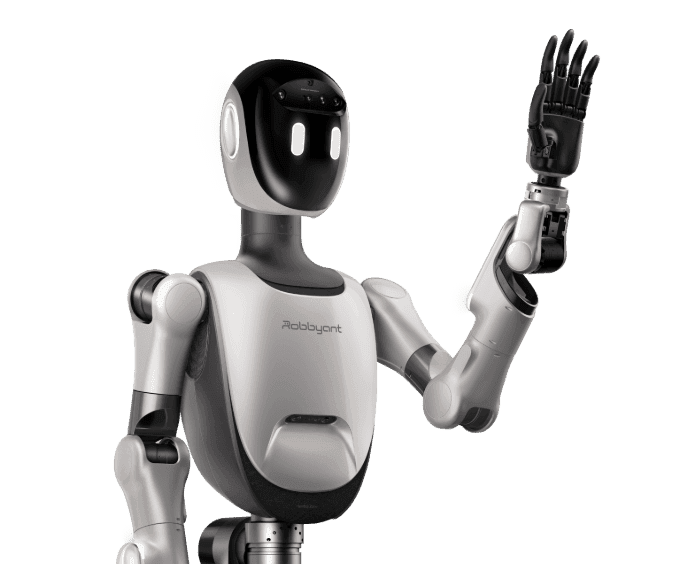
meet r1 a chinese tech giant s Chinese tech behemoth Ant Group, which owns payment platform Alipay, has been showing off its first humanoid robot at tech conferences this month.
meet r1 a chinese tech giant s
Introduction to R1: A New Contender in Humanoid Robotics
Ant Group, a subsidiary of Alibaba Group and a leader in the fintech space, is making strides into the robotics sector with its newly unveiled humanoid robot, R1. This development comes at a time when the robotics industry is experiencing a renaissance, fueled by advancements in artificial intelligence (AI) and machine learning. The R1 robot is part of a broader trend where technology companies are exploring automation solutions that integrate AI with physical robotics, aiming to create machines that can perform tasks traditionally reserved for humans.
Showcasing R1 at Major Tech Conferences
Demonstrations at IFA 2025
Recently, R1 made headlines at the IFA 2025 tech show in Berlin, where it showcased its culinary skills by preparing shrimp for attendees. This demonstration was not just a gimmick; it highlighted the robot’s potential applications in various sectors, particularly in hospitality and food services. Videos circulating from the event depict R1 engaging with the audience, albeit at a pace that some observers found less than impressive. Critics noted that the robot’s movements were slow, raising questions about its efficiency and practicality in real-world scenarios.
Presence at the Inclusion Conference in Shanghai
Following its appearance in Berlin, R1 was also featured at the 2025 Inclusion Conference in Shanghai. This event focused on technology’s role in promoting inclusivity and accessibility, making it a fitting venue for R1’s capabilities to be showcased. The robot’s design and functionality align with the conference’s themes, as it is intended to serve as a companion or caregiver in healthcare settings. Such applications could significantly impact the quality of care for the elderly or individuals with disabilities, providing them with assistance and companionship.
Potential Use Cases for R1
Robbyant, the company behind R1, has outlined several potential applications for the robot, indicating its versatility across various sectors:
- Healthcare: R1 could serve as a caregiver or companion robot, assisting healthcare professionals in providing care to patients. This could alleviate some of the burdens on human caregivers, especially in settings like nursing homes or hospitals.
- Hospitality: In the hospitality industry, R1 could function as a robotic tour guide or assistant, enhancing the customer experience by providing information and assistance to guests.
- Education: The robot could also be utilized in educational settings, serving as a teaching assistant or engaging students in interactive learning experiences.
- Home Assistance: R1 has the potential to assist with household tasks, making it a valuable addition to smart homes.
Challenges and Skepticism in the Robotics Field
Despite the excitement surrounding R1, it is essential to approach the robot’s capabilities with a degree of skepticism. The robotics industry has a history of high expectations followed by underwhelming results. Many companies have made bold claims about their robotic innovations, only to fall short when it comes to practical applications. For instance, while R1’s demonstrations are intriguing, they do not necessarily translate to real-world effectiveness.
Historical Context of Robotics Development
The field of robotics has been plagued by challenges for decades. Early promises of robots that could seamlessly integrate into everyday life have often been met with technological limitations. Tasks that humans perform with ease, such as navigating complex environments or interacting with people, remain difficult for robots. The slow progress in achieving these capabilities has led to a cautious outlook among industry experts and consumers alike.
Technological Advancements and Future Prospects
However, there is a growing belief that recent advancements in AI and machine learning could finally enable robots to overcome these long-standing challenges. Companies like Ant Group and Tesla are at the forefront of this movement, investing heavily in research and development to create more capable and intelligent robots. The integration of advanced AI algorithms allows robots to learn from their environments and adapt to new situations, which could significantly enhance their functionality.
Ant Group’s Strategic Move into Robotics
Ant Group’s entry into the robotics market aligns with its broader strategy to diversify its offerings beyond financial services. By venturing into robotics, the company aims to tap into new revenue streams and expand its technological capabilities. This move is particularly significant given the increasing demand for automation solutions across various industries.
Collaboration with Other Tech Giants
Ant Group is not alone in this endeavor. The robotics landscape is becoming increasingly competitive, with major players like Tesla, Boston Dynamics, and SoftBank Robotics also making significant investments in humanoid robots. Tesla’s Optimus robot, for instance, is designed to assist with tasks ranging from manufacturing to household chores. As these companies race to develop the next generation of robots, the competition is likely to drive innovation and accelerate advancements in the field.
Stakeholder Reactions and Market Implications
The introduction of R1 has elicited a range of reactions from stakeholders, including industry experts, potential consumers, and investors. Some view the robot as a promising step forward in the integration of AI and robotics, while others remain cautious, citing the need for rigorous testing and validation before widespread adoption.
Expert Opinions
Industry experts have expressed mixed opinions on R1’s potential. While some are optimistic about the robot’s capabilities and the implications for various sectors, others emphasize the importance of realistic expectations. “We have seen many prototypes that look promising but fail to deliver in real-world applications,” said a robotics researcher at a leading university. “It will be crucial for Robbyant to demonstrate R1’s effectiveness in practical settings before it can gain widespread acceptance.”
Consumer Sentiment
Potential consumers are also weighing in on R1’s prospects. Many are intrigued by the idea of having a humanoid robot assist with daily tasks, particularly in healthcare and home environments. However, concerns about cost, reliability, and the robot’s ability to perform tasks effectively remain prevalent. “I would love to have a robot that can help with my elderly parents, but I need to see it in action first,” said a potential consumer at the IFA conference.
Conclusion: The Road Ahead for R1 and Humanoid Robotics
As Ant Group continues to develop and refine R1, the road ahead will be critical in determining the robot’s success in the market. The company has yet to announce a launch date or pricing details, leaving many questions unanswered. However, the interest generated by R1’s demonstrations suggests that there is a market for humanoid robots, particularly in sectors where automation can enhance efficiency and improve quality of life.
In conclusion, while R1 represents a significant step forward for Ant Group and the robotics industry, it is essential to remain cautious and realistic about its capabilities. The coming months will likely reveal more about R1’s potential and whether it can live up to the high expectations set by its initial demonstrations.
Source: Original report
Was this helpful?
Last Modified: September 11, 2025 at 5:37 pm
2 views