
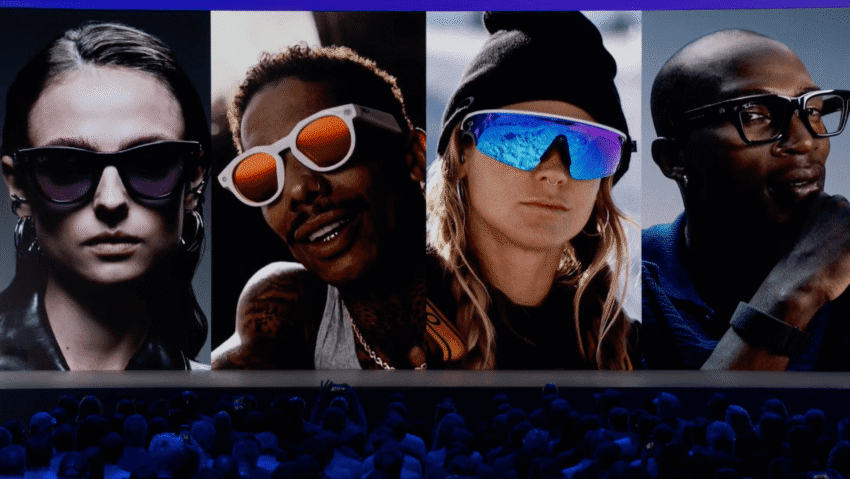
mark zuckerberg has begun his quest to Mark Zuckerberg is embarking on an ambitious initiative aimed at redefining personal technology, with a particular focus on diminishing the reliance on smartphones.
mark zuckerberg has begun his quest to
The Vision Behind the Initiative
In a recent statement, Zuckerberg articulated the core philosophy driving this initiative: “The promise of glasses is to preserve this sense of presence that you have with other people.” This assertion encapsulates a vision where augmented reality (AR) glasses could replace smartphones, fundamentally altering how individuals interact with technology and each other.
Understanding the Shift from Smartphones to AR Glasses
The smartphone has been the dominant personal technology for over a decade, serving as a multifunctional device that integrates communication, entertainment, and productivity. However, Zuckerberg’s vision suggests a paradigm shift towards AR glasses that can seamlessly blend digital information with the physical world. This transition is not merely about replacing one device with another; it represents a fundamental change in how users engage with their environment and each other.
AR glasses promise to enhance social interactions by allowing users to maintain eye contact and engage more fully with their surroundings. Unlike smartphones, which often create barriers between individuals, AR glasses aim to foster a sense of connection and presence. This could have profound implications for social dynamics, workplace collaboration, and even education.
Technological Foundations of AR Glasses
The development of AR glasses is rooted in several key technological advancements. These include improvements in display technology, miniaturization of components, and advancements in artificial intelligence (AI) and machine learning.
Display Technology
Modern display technologies, such as microLED and OLED, are making it possible to create lightweight, high-resolution displays that can be integrated into glasses. These advancements enable AR glasses to overlay digital information onto the real world without compromising on visual quality. As a result, users can access notifications, navigation, and other digital content while remaining engaged with their physical environment.
Miniaturization of Components
As technology continues to advance, the miniaturization of components has become increasingly feasible. This allows for the integration of powerful processors, sensors, and batteries into a compact form factor. The challenge has been to create a device that is both functional and comfortable for everyday wear. Companies are investing heavily in research and development to achieve this balance, which is crucial for widespread adoption.
Artificial Intelligence and Machine Learning
AI and machine learning play a pivotal role in enhancing the functionality of AR glasses. These technologies enable real-time processing of visual information, allowing the device to recognize objects, provide contextual information, and even facilitate communication. For instance, AI could help users navigate unfamiliar environments by overlaying directions directly onto their field of vision, thereby reducing the need to consult a smartphone.
Market Implications and Stakeholder Reactions
The potential shift from smartphones to AR glasses has significant implications for various stakeholders, including technology companies, consumers, and advertisers.
Technology Companies
Major tech companies are closely monitoring this emerging trend. Facebook, now rebranded as Meta, has been at the forefront of AR development, investing billions into the Metaverse and related technologies. Zuckerberg’s vision aligns with the company’s broader strategy to create immersive digital experiences that transcend traditional screens.
Other tech giants, such as Apple and Google, are also exploring AR technologies. Apple’s rumored AR glasses have generated considerable buzz, and the company has a history of successfully launching products that reshape consumer behavior. As competition intensifies, companies will need to differentiate their offerings and demonstrate the unique value of their devices.
Consumer Adoption
For consumers, the transition from smartphones to AR glasses presents both opportunities and challenges. While the prospect of hands-free access to information and enhanced social interactions is appealing, concerns about privacy, usability, and cost may hinder widespread adoption.
Privacy is a particularly pressing issue, as AR glasses could potentially record interactions and gather data in ways that smartphones do not. Consumers will need assurances regarding data security and ethical use of technology before fully embracing this new paradigm.
Advertising and Marketing
The advertising landscape is also poised for transformation. As AR glasses become more prevalent, advertisers will need to adapt their strategies to engage consumers in this new medium. Traditional advertising methods may not translate effectively to AR environments, necessitating innovative approaches that leverage the unique capabilities of these devices.
Challenges Ahead
Despite the promising outlook for AR glasses, several challenges remain that could impede their widespread adoption.
Technical Limitations
While advancements in technology are accelerating, technical limitations still exist. Battery life, for example, is a critical concern. Users expect devices to last throughout the day without frequent recharging. Additionally, the processing power required for real-time AR applications can generate heat, which poses challenges for comfort and usability.
Consumer Education
Another significant hurdle is consumer education. Many individuals may not fully understand the capabilities and benefits of AR glasses, leading to skepticism about their practicality. Effective marketing and educational campaigns will be essential to inform consumers about how these devices can enhance their daily lives.
Regulatory Considerations
As with any emerging technology, regulatory considerations will play a crucial role in shaping the future of AR glasses. Governments and regulatory bodies will need to establish guidelines regarding privacy, data security, and ethical use to ensure that consumers are protected. Failure to address these issues could lead to public backlash and hinder adoption.
The Future of Personal Technology
Zuckerberg’s quest to diminish the smartphone’s dominance is indicative of a broader trend towards more immersive and integrated forms of technology. As AR glasses evolve, they have the potential to redefine how individuals interact with both the digital and physical worlds.
In the coming years, we may witness a gradual shift in consumer behavior as AR glasses become more mainstream. This transition will likely be accompanied by a reimagining of social interactions, work environments, and even entertainment experiences. The implications for industries ranging from education to healthcare could be profound, as AR technology enables new ways of learning, collaborating, and engaging with information.
Conclusion
Mark Zuckerberg’s vision for AR glasses represents a bold step towards a future where smartphones may no longer be the primary interface for digital interaction. While challenges remain, the potential benefits of enhanced social presence, improved functionality, and a redefined relationship with technology are compelling. As the industry evolves, stakeholders will need to navigate the complexities of consumer adoption, technical limitations, and regulatory considerations to realize this vision.
Source: Original report
Was this helpful?
Explore more: More Big Tech & Platforms Tech News Blog
Last Modified: September 18, 2025 at 10:41 pm
5 views














