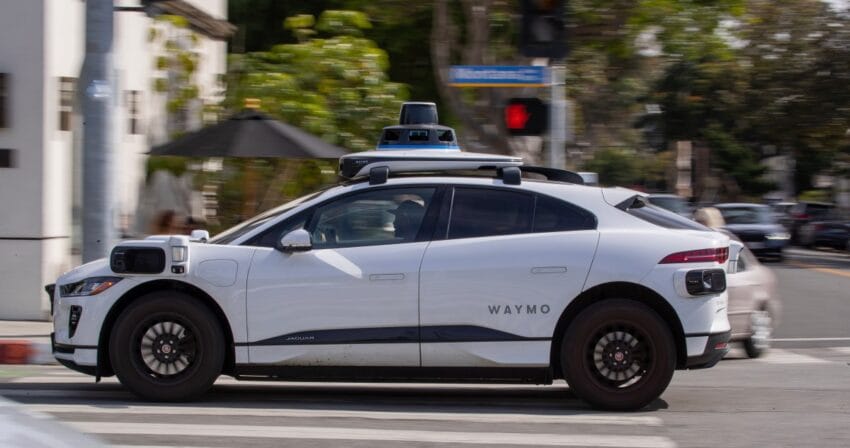
lyft and waymo are partnering to bring Waymo is collaborating with Lyft to introduce a robotaxi service in Nashville, marking a significant step in the evolution of autonomous transportation.
lyft and waymo are partnering to bring
Overview of the Partnership
Waymo, a leader in autonomous vehicle technology, is joining forces with Lyft, a prominent ride-hailing platform, to launch a robotaxi service in Nashville. This partnership aims to leverage Waymo’s advanced self-driving technology alongside Lyft’s established ride-sharing infrastructure. The initiative is expected to enhance urban mobility in Nashville, offering residents a new, efficient mode of transportation.
The Role of Waymo
Waymo has been at the forefront of autonomous vehicle development since its inception as a project within Google in 2009. The company has made significant strides in creating a safe and reliable self-driving system. With extensive testing in various environments, Waymo’s technology has been proven capable of navigating complex urban landscapes. The company has already launched robotaxi services in cities like Phoenix, Arizona, where it has garnered valuable insights into consumer behavior and operational challenges.
Lyft’s Contribution
Lyft, founded in 2012, has established itself as a major player in the ride-hailing industry. The company has a vast network of drivers and riders, making it an ideal partner for Waymo. Lyft has previously explored autonomous vehicle technology, but this partnership marks a more formal collaboration aimed at integrating Waymo’s self-driving cars into its platform. By combining their strengths, both companies hope to create a seamless user experience for Nashville residents.
Implications for Nashville
Nashville, known for its vibrant culture and growing population, presents an ideal testing ground for this robotaxi service. The city has experienced rapid growth, leading to increased traffic congestion and a demand for innovative transportation solutions. The introduction of robotaxis could alleviate some of these issues by providing an efficient alternative to traditional vehicles.
Potential Benefits
- Reduced Traffic Congestion: With the integration of robotaxis, Nashville could see a decrease in the number of personal vehicles on the road, potentially easing traffic congestion.
- Increased Accessibility: The service could provide greater mobility options for residents, particularly those who do not own cars or are unable to drive.
- Environmental Impact: By promoting the use of electric autonomous vehicles, the partnership could contribute to reducing carbon emissions in the city.
- Economic Opportunities: The introduction of a new transportation service could create jobs and stimulate local businesses.
Challenges Ahead
Despite the potential benefits, several challenges must be addressed before the robotaxi service can be fully realized. Regulatory hurdles, public acceptance, and technological reliability are key factors that will influence the success of this initiative.
Regulatory Hurdles
Autonomous vehicles operate in a complex regulatory environment. Nashville’s local government will need to establish guidelines for the operation of robotaxis, ensuring safety and compliance with existing transportation laws. This may involve collaboration with state and federal agencies to create a framework that supports the deployment of autonomous vehicles.
Public Acceptance
Public perception of autonomous vehicles remains mixed. While some individuals are excited about the prospect of robotaxis, others express concerns about safety and reliability. Waymo and Lyft will need to engage with the Nashville community to build trust and demonstrate the safety of their technology. This may include public demonstrations, educational campaigns, and transparent communication about the capabilities and limitations of robotaxis.
Technological Reliability
Ensuring the reliability of autonomous vehicles is paramount. Waymo’s technology has undergone extensive testing, but real-world conditions can present unforeseen challenges. The companies will need to continuously monitor and improve their systems to ensure safe operation in Nashville’s unique urban environment.
Stakeholder Reactions
The announcement of this partnership has elicited a range of reactions from various stakeholders, including city officials, transportation experts, and the general public.
City Officials
Local government officials have expressed optimism about the potential benefits of the robotaxi service. Nashville’s Mayor has highlighted the importance of innovative transportation solutions in addressing the city’s growth challenges. The partnership aligns with the city’s goals of enhancing mobility and reducing traffic congestion. However, officials have also emphasized the need for careful planning and regulation to ensure public safety.
Transportation Experts
Experts in the field of transportation have noted that the collaboration between Waymo and Lyft could serve as a model for other cities exploring autonomous vehicle solutions. The integration of self-driving technology into existing ride-hailing platforms could streamline urban transportation and provide valuable data for future developments. However, experts caution that the success of such initiatives will depend on effective regulation and public acceptance.
The General Public
Public opinion on the introduction of robotaxis in Nashville is varied. Some residents are excited about the prospect of a new transportation option, while others remain skeptical. Concerns about safety, privacy, and the potential impact on traditional taxi services have been raised. Engaging with the community and addressing these concerns will be crucial for the success of the robotaxi service.
Future Prospects
The partnership between Waymo and Lyft represents a significant step forward in the evolution of urban transportation. If successful, the robotaxi service in Nashville could pave the way for similar initiatives in other cities across the United States. The collaboration may also encourage further investment in autonomous vehicle technology and infrastructure, fostering innovation in the transportation sector.
Expansion Plans
Should the Nashville pilot prove successful, both companies may consider expanding their robotaxi services to other metropolitan areas. Cities with similar transportation challenges, such as Atlanta, Austin, and Los Angeles, could be potential candidates for future deployments. The lessons learned from Nashville will be invaluable in shaping the approach to these expansions.
Long-Term Impact on Transportation
The introduction of robotaxis could fundamentally change the way people navigate urban environments. As autonomous vehicles become more prevalent, traditional car ownership may decline, leading to a shift in urban planning and infrastructure development. Cities may need to adapt to accommodate new transportation models, including dedicated lanes for autonomous vehicles and improved public transit systems.
Conclusion
The partnership between Waymo and Lyft to launch a robotaxi service in Nashville marks a pivotal moment in the journey toward autonomous transportation. By combining their expertise, both companies aim to provide a safe, efficient, and accessible transportation option for Nashville residents. As the project unfolds, it will be essential to monitor its progress and address the challenges that arise. The success of this initiative could have far-reaching implications for the future of urban mobility across the United States.
Source: Original report
Was this helpful?
Last Modified: September 17, 2025 at 8:55 pm
3 views