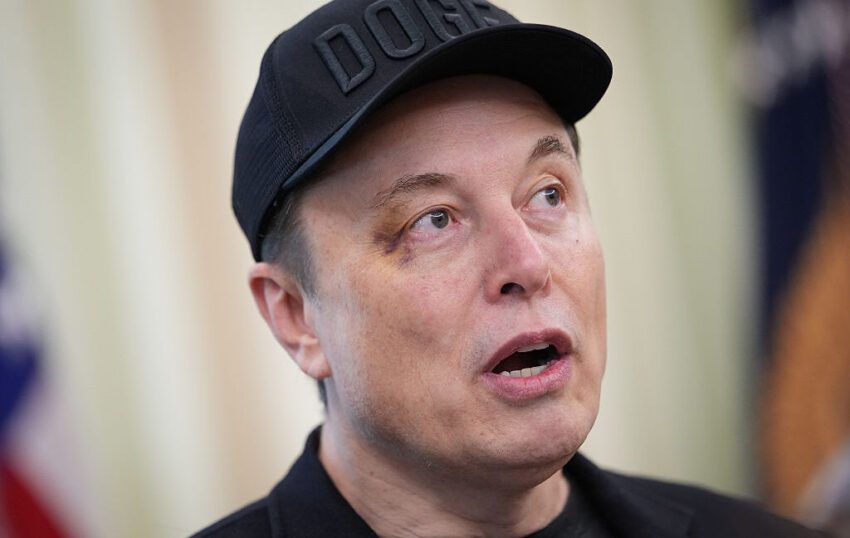
doge did not find 2t in fraud Elon Musk’s Department of Government Efficiency (DOGE) has come under scrutiny as recent evaluations suggest it has not achieved its ambitious goals of reducing federal spending.
doge did not find 2t in fraud
The Ambitious Goals of DOGE
Launched with high expectations, DOGE was intended to tackle inefficiencies within the federal government, aiming to streamline operations and eliminate wasteful spending. Musk’s vision was to leverage technology and innovative practices to identify and eradicate fraud, waste, and abuse in government expenditures. The agency was positioned as a revolutionary approach to governance, promising to bring a Silicon Valley mindset to Washington, D.C.
Musk’s Initial Enthusiasm
Initially, Musk expressed immense enthusiasm for DOGE, portraying it as a transformative initiative that could save taxpayers billions. His rhetoric suggested that the agency would uncover vast amounts of fraud, potentially amounting to trillions of dollars in savings. This narrative resonated with many, particularly those disillusioned with government inefficiency.
Recent Developments and Criticism
However, as time has progressed, the narrative surrounding DOGE has shifted. Just two weeks ago, Musk himself acknowledged the agency’s limited success during a podcast appearance, referring to its achievements as “a little bit successful.” This admission marked a significant departure from his earlier, more optimistic claims about DOGE’s potential impact.
Claims of Fraud Remain Unsubstantiated
Despite the agency’s lack of measurable success, Musk has continued to assert that government fraud remains a pervasive issue. On Monday, he took to X (formerly Twitter) to reiterate his belief that fraud constitutes a significant portion of the federal budget. Musk estimated that approximately 20 percent of the federal budget could be fraudulent, translating to around $1.5 trillion annually. However, these claims lack substantial evidence and have been met with skepticism from experts and analysts.
The Departure from DOGE
Musk’s relationship with DOGE has been tumultuous. In May, he publicly distanced himself from the agency following clashes with former President Donald Trump. Musk expressed concerns that a Trump-backed budget bill would undermine DOGE’s efforts, leading to his decision to step away from the initiative. This departure raised questions about the agency’s future and its ability to fulfill its mission without Musk’s leadership.
Reflections on Leadership
In a candid moment during the December podcast, Musk reflected on his time with DOGE, describing it as his “best side quest ever.” However, he also indicated that, given the chance to go back in time, he might choose not to lead the agency as a special government employee. This statement underscores a growing sense of disillusionment regarding the effectiveness of DOGE and the challenges inherent in navigating government bureaucracy.
Stakeholder Reactions
The mixed reviews of DOGE’s performance have elicited varied responses from stakeholders across the political spectrum. Supporters of Musk’s initiatives argue that any effort to improve government efficiency is commendable, even if the results have not met expectations. They maintain that the very act of attempting to address wasteful spending is a step in the right direction.
Critics of DOGE
Conversely, critics point to the lack of tangible results as evidence that DOGE has failed to deliver on its promises. They argue that the agency’s existence has not led to any significant changes in federal spending practices. Skeptics also highlight the potential dangers of relying on unverified claims of fraud, suggesting that such assertions could undermine public trust in government institutions.
Contextualizing the Challenges of Government Efficiency
The challenges faced by DOGE are emblematic of broader issues within government efficiency initiatives. Historically, attempts to reform government operations have encountered significant obstacles, including bureaucratic inertia, political resistance, and a lack of clear metrics for success. These factors complicate efforts to implement meaningful change and can lead to disillusionment among advocates of reform.
The Role of Technology in Government
While technology has the potential to enhance government efficiency, its implementation is fraught with challenges. The integration of new technologies often requires substantial investments, both financially and in terms of time. Additionally, there is a need for skilled personnel who can effectively leverage these technologies to drive change. Without addressing these foundational issues, initiatives like DOGE may struggle to achieve their intended outcomes.
The Future of DOGE and Government Efficiency Initiatives
As DOGE continues to navigate its challenges, the future of government efficiency initiatives remains uncertain. The agency’s ability to recover from its current setbacks will depend on its capacity to adapt and evolve in response to criticism and changing political dynamics. Stakeholders will be closely watching how DOGE addresses its shortcomings and whether it can regain credibility in the eyes of the public and policymakers.
Potential for Reforms
Despite the current challenges, there remains potential for meaningful reforms within the federal government. Advocates for efficiency argue that a renewed focus on transparency, accountability, and data-driven decision-making could pave the way for more effective governance. By fostering a culture of innovation and collaboration, agencies like DOGE could harness the power of technology to drive positive change.
Conclusion
The trajectory of Elon Musk’s Department of Government Efficiency serves as a cautionary tale about the complexities of reforming government operations. While the initial vision for DOGE was ambitious, the reality has proven to be more complicated. As Musk himself has acknowledged, the agency’s success has been limited, and the challenges it faces are significant. Moving forward, the lessons learned from DOGE’s experience could inform future efforts to enhance government efficiency and accountability.
Source: Original report
Was this helpful?
Explore more: More Business & Startups Tech News Blog
Last Modified: December 31, 2025 at 8:37 am
16 views