lull in falcon heavy missions opens window SpaceX is poised to take advantage of a lull in Falcon Heavy missions to construct new landing pads, marking a significant shift in its operational strategy.
lull in falcon heavy missions opens window
Background on SpaceX’s Landing Operations
Since its inception, SpaceX has revolutionized space travel with its focus on reusability. The company’s Falcon 9 rocket has become a cornerstone of its operations, allowing for multiple launches with the same hardware. This innovation has not only reduced costs but has also increased the frequency of launches. A key aspect of this reusability is the ability to land the rocket boosters back on Earth, a feat that was first achieved on December 21, 2015, when a Falcon 9 booster successfully returned to Landing Zone 1 at Cape Canaveral Space Force Station in Florida.
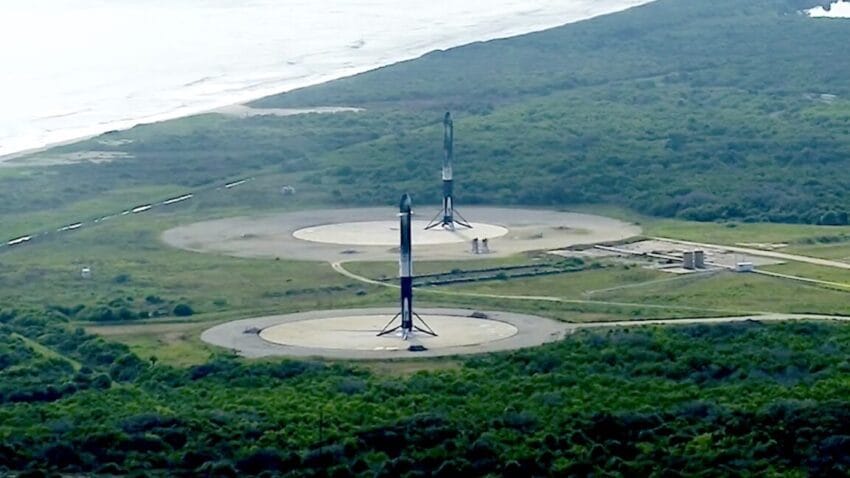
Over the years, SpaceX has made significant strides in its landing capabilities. The company has successfully landed 66 Falcon boosters at its designated landing zones, which include Landing Zones 1 and 2. These landings have become iconic moments in space exploration, showcasing the precision and engineering prowess of SpaceX. Notably, the inaugural launch of the Falcon Heavy rocket featured two boosters landing side by side, a moment that captivated audiences worldwide.
The Current Lull in Falcon Heavy Missions
Despite its successes, the Falcon Heavy has experienced a lull in missions. Originally designed to carry heavy payloads into orbit, the rocket has not seen the same frequency of launches as its smaller counterpart, the Falcon 9. This lull presents an opportunity for SpaceX to reassess its landing operations and infrastructure.
SpaceX’s decision to hand over its existing landing zones back to the US Space Force is a strategic move that reflects the changing landscape of the space industry. The US Space Force has reallocated these landing zones to two startup launch companies, indicating a shift in focus towards fostering new entrants in the space market. This transition underscores the growing importance of collaboration between established companies like SpaceX and emerging players in the aerospace sector.
Plans for New Landing Pads
With the existing landing zones being returned, SpaceX is now looking to build new landing pads. This initiative is not only a response to the current lull in Falcon Heavy missions but also a proactive measure to enhance its operational capabilities for future launches. The construction of new landing pads will allow SpaceX to maintain its competitive edge in the rapidly evolving space industry.
Strategic Importance of New Landing Pads
The establishment of new landing pads is crucial for several reasons:
- Increased Launch Frequency: New landing pads will enable SpaceX to increase the frequency of its launches, particularly for the Falcon Heavy. This is essential for meeting the growing demand for satellite deployments and other space missions.
- Enhanced Reusability: By expanding its landing infrastructure, SpaceX can further capitalize on its reusability model. This will not only reduce costs but also contribute to sustainability in space operations.
- Operational Flexibility: New landing pads will provide SpaceX with greater operational flexibility, allowing for simultaneous launches and landings. This is particularly important as the company scales its operations to meet future demands.
Stakeholder Reactions
The decision to build new landing pads has garnered mixed reactions from various stakeholders in the aerospace community. While many industry experts view this as a positive development, some express concerns about the implications for smaller launch companies.
Support from Industry Experts
Many industry experts have praised SpaceX’s initiative to construct new landing pads. They argue that this move will not only benefit SpaceX but also contribute to the overall growth of the space industry. By investing in infrastructure, SpaceX is setting a precedent for other companies to follow, encouraging innovation and competition.
Concerns from Smaller Launch Companies
On the other hand, some smaller launch companies have expressed concerns about the reallocation of landing zones. The US Space Force’s decision to grant these zones to startups may create challenges for SpaceX, particularly if these companies begin to compete directly for the same contracts. Smaller companies may struggle to secure the necessary resources and infrastructure to compete effectively, raising questions about the long-term viability of the space market.
Implications for the Future of SpaceX
The construction of new landing pads is a pivotal moment for SpaceX, with far-reaching implications for its future operations. As the company continues to innovate and expand its capabilities, it must also navigate the complexities of a competitive landscape.
Impact on Launch Schedules
With new landing pads in place, SpaceX can optimize its launch schedules. The ability to land boosters in close proximity to the launch site will streamline operations, allowing for quicker turnaround times between launches. This efficiency is particularly important as SpaceX aims to increase its launch cadence to meet the demands of commercial satellite operators and government contracts.
Long-Term Vision for Space Exploration
SpaceX’s commitment to building new landing pads aligns with its long-term vision for space exploration. The company has ambitious plans for missions to Mars and beyond, and a robust landing infrastructure will be essential for supporting these endeavors. By investing in its landing capabilities, SpaceX is positioning itself as a leader in the future of space travel.
Conclusion
The lull in Falcon Heavy missions presents a unique opportunity for SpaceX to enhance its operational capabilities through the construction of new landing pads. As the company prepares to hand over its existing landing zones to the US Space Force, it is clear that SpaceX is committed to maintaining its leadership position in the aerospace industry. The implications of this decision will be felt across the space sector, influencing the dynamics of competition and collaboration among established and emerging players alike.
Source: Original report
Was this helpful?
Explore more: DevOps Services More Cloud & DevOps Tech News
Last Modified: September 8, 2025 at 6:34 pm
10 views