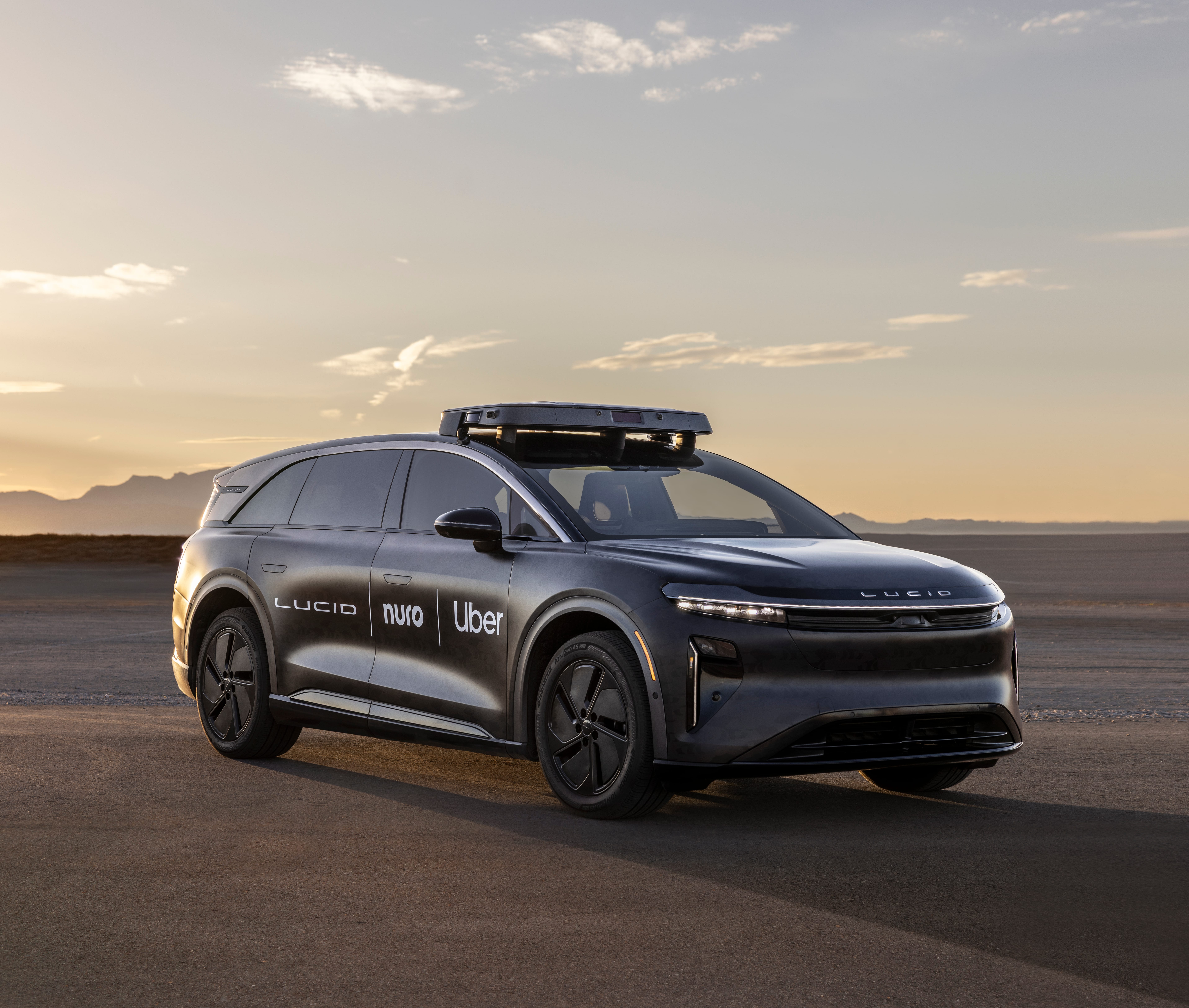
lucid kicks off its nuro-uber robotaxi deal Lucid Motors has taken a significant step in its partnership with Nuro and Uber by delivering the first vehicle for their ambitious robotaxi initiative.
lucid kicks off its nuro-uber robotaxi deal
Overview of the Robotaxi Deal
In July, Lucid Motors, Uber, and Nuro announced a groundbreaking agreement aimed at deploying 20,000 autonomous vehicles across the United States over the next six years. This partnership marks a pivotal moment in the evolution of urban transportation, as it seeks to integrate advanced autonomous technology into everyday commuting. The deal is not just about numbers; it represents a concerted effort to redefine how people interact with mobility services.
The First Vehicle Delivery
On September 24, 2025, Lucid Motors confirmed the delivery of the first Gravity SUV to Nuro for retrofitting. This vehicle, manufactured at Lucid’s state-of-the-art facility in Casa Grande, Arizona, was subsequently transported to the company’s headquarters in Newark, California. At this location, a specialized team from Nuro undertook the task of installing essential sensors and hardware necessary for autonomous driving capabilities.
It is important to note that this initial retrofitting process is unique to the engineering prototype. The long-term vision for this partnership includes integrating the retrofitting process directly into Lucid’s assembly line, thereby streamlining production and ensuring that future vehicles are ready for deployment without extensive modifications post-manufacturing.
Integration and Testing
Once the retrofitting was completed, the prototype was moved to Nuro’s Santa Clara facility. Here, Nuro’s engineers began the critical task of integrating the Nuro Driver software, which is central to the vehicle’s autonomous capabilities. This phase will involve rigorous testing and validation to ensure that the vehicle meets safety and performance standards before it is deployed on public roads.
The companies have set an ambitious timeline, with plans to launch their first road-ready robotaxi on Uber’s ride-hailing network sometime next year. This timeline reflects the urgency and competitive nature of the autonomous vehicle market, where multiple players are racing to establish themselves as leaders in the sector.
Challenges Ahead
While delivering the first vehicle for testing is a noteworthy milestone, it is essential to recognize that the journey toward widespread deployment of driverless Lucid Gravity SUVs is fraught with challenges. The road to full autonomy is complex, and the companies involved must navigate a myriad of technical, regulatory, and public perception hurdles.
Historical Context of Autonomous Vehicle Deployment
The scale of this deal, which includes a minimum of 20,000 vehicles, echoes the early promises made by autonomous vehicle developers who envisioned tens of thousands of self-driving cars populating the roads within a few short years. However, many of those early assumptions have proven overly optimistic. Most companies in the sector are still grappling with the challenges of delivering even a modest number of fully autonomous vehicles.
For instance, Waymo, one of the pioneers in the autonomous vehicle space, currently operates fewer than 2,000 vehicles in select markets as part of its commercial robotaxi service. Similarly, Tesla has deployed a limited number of “robotaxis” in Austin, Texas, but these vehicles still require safety monitors and are not fully autonomous. The reality is that the path to achieving true autonomy is more complicated than initially anticipated.
Safety and Regulatory Considerations
One of the primary concerns surrounding autonomous vehicles is safety. The technology must be rigorously tested to ensure it can handle a wide range of driving conditions and scenarios. Regulatory bodies are also closely monitoring the development and deployment of autonomous vehicles, and companies must navigate a complex landscape of laws and regulations that vary by state and municipality.
Public perception is another critical factor. Many consumers remain skeptical about the safety of autonomous vehicles, and incidents involving self-driving cars can significantly impact public trust. Companies like Lucid, Nuro, and Uber must work diligently to educate the public about the safety measures in place and the benefits of adopting autonomous transportation solutions.
Stakeholder Reactions
The announcement of the robotaxi deal has elicited a range of reactions from stakeholders across the industry. Investors are keenly interested in the potential for significant returns, given the growing demand for autonomous transportation solutions. Analysts have pointed out that successful deployment could position Lucid, Nuro, and Uber as frontrunners in a rapidly evolving market.
Industry Experts Weigh In
Industry experts have expressed cautious optimism about the partnership. Many believe that the collaboration between Lucid, Nuro, and Uber could serve as a model for future partnerships in the autonomous vehicle space. By combining Lucid’s expertise in electric vehicle manufacturing, Nuro’s focus on autonomous delivery, and Uber’s established ride-hailing network, the companies are well-positioned to tackle the challenges of deploying autonomous vehicles at scale.
Public and Consumer Perspectives
From a consumer perspective, the introduction of robotaxis could significantly alter the landscape of urban transportation. The convenience of on-demand autonomous rides may appeal to a wide range of users, from commuters to those seeking alternative transportation options. However, the success of this initiative will largely depend on how well the companies can address safety concerns and build public trust in their technology.
Future Implications
The successful deployment of autonomous vehicles has far-reaching implications for urban mobility, infrastructure, and the environment. If Lucid, Nuro, and Uber can effectively roll out their robotaxi service, it could pave the way for a broader acceptance of autonomous technology in various sectors, including logistics, public transportation, and personal mobility.
Impact on Urban Mobility
As cities continue to grapple with traffic congestion and pollution, autonomous vehicles could offer a viable solution to some of these pressing issues. By reducing the number of cars on the road and optimizing transportation routes, robotaxis could contribute to more efficient urban mobility. Moreover, the integration of electric vehicles into the robotaxi fleet aligns with sustainability goals, potentially reducing the carbon footprint associated with traditional gasoline-powered vehicles.
Long-Term Vision for Autonomous Transportation
The collaboration between Lucid, Nuro, and Uber represents a significant step toward realizing a long-term vision of autonomous transportation. As the technology matures and regulatory frameworks evolve, the potential for widespread adoption of self-driving vehicles could transform how we think about mobility. This shift could lead to a future where personal car ownership becomes less necessary, and shared autonomous vehicles become the norm.
Conclusion
The delivery of the first Lucid Gravity SUV to Nuro marks the beginning of an exciting chapter in the journey toward autonomous transportation. While challenges remain, the partnership between Lucid, Nuro, and Uber holds promise for reshaping urban mobility. As the companies work toward deploying their robotaxi service, the industry will be watching closely to see how they navigate the complexities of technology, safety, and public perception.
Source: Original report
Was this helpful?
Explore more: More Business & Startups Tech News Blog
Last Modified: September 24, 2025 at 6:39 pm
7 views