lootlock protects kids from overspending on gaming Lootlock is set to revolutionize the gaming landscape by providing parents with tools to prevent their children from overspending on in-app purchases, a growing concern in the industry.
lootlock protects kids from overspending on gaming
The Rise of In-App Purchases in Gaming
In recent years, the gaming industry has seen a significant shift towards monetization strategies that heavily rely on in-app purchases. This model has become particularly prevalent in mobile gaming, where free-to-play games often entice players with the promise of engaging gameplay while simultaneously offering additional content or enhancements for a fee. This approach has proven lucrative for developers, but it has also raised alarms among parents concerned about their children’s spending habits.
According to a report from the Entertainment Software Association, nearly 70% of children aged 6 to 17 play video games, and a substantial portion of these games includes mechanisms for in-game purchases. These transactions can range from cosmetic upgrades to essential game features, and they often encourage players to spend money to enhance their gaming experience. As a result, children can easily rack up significant charges without fully understanding the implications of their spending.
Understanding Lootlock
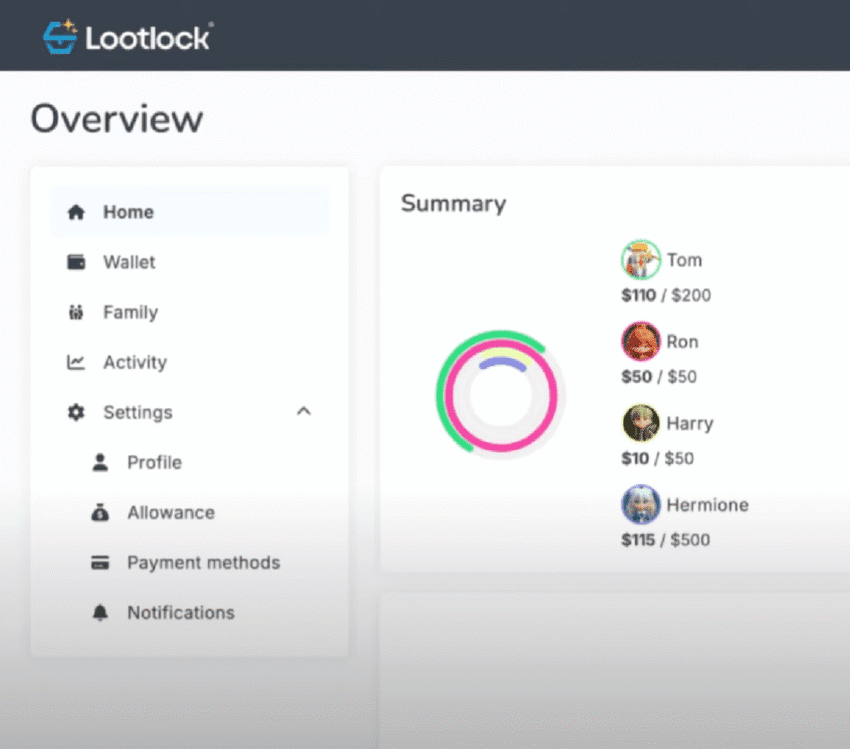
In response to these concerns, Lootlock has emerged as a solution designed specifically for parents who wish to maintain control over their children’s gaming expenditures. The platform offers a range of features that allow parents to set limits on in-app purchases, monitor spending, and receive alerts when their children engage in transactions. This level of oversight is crucial in an age where children are increasingly exposed to digital environments that encourage impulsive spending.
Key Features of Lootlock
- Granular Control: Lootlock empowers parents to set specific spending limits for each game, ensuring that children cannot exceed predetermined budgets.
- Real-Time Monitoring: Parents receive notifications about their children’s spending activities, allowing them to intervene if necessary.
- Customizable Alerts: The platform enables parents to customize alerts based on their preferences, ensuring they are informed without being overwhelmed.
- Comprehensive Reporting: Lootlock provides detailed reports on spending habits, helping parents understand how their children engage with games.
The Implications of Lootlock
The introduction of Lootlock carries significant implications for both parents and the gaming industry. For parents, the platform represents a proactive approach to managing their children’s gaming experiences. By providing tools to monitor and control spending, Lootlock alleviates some of the anxiety that comes with allowing children to engage with digital content. This empowerment can lead to healthier gaming habits and a more balanced approach to entertainment.
From an industry perspective, Lootlock may prompt game developers to reconsider their monetization strategies. As parents become more aware of the potential for overspending, they may demand greater transparency and ethical practices from game developers. This shift could lead to a more responsible gaming environment, where developers prioritize player experience over aggressive monetization tactics.
Stakeholder Reactions
The launch of Lootlock has garnered attention from various stakeholders in the gaming ecosystem. Parents, in particular, have expressed enthusiasm for a tool that addresses their concerns about in-app purchases. Many parents have reported feeling overwhelmed by the complexity of managing their children’s gaming habits, and Lootlock offers a straightforward solution to this challenge.
Game developers, however, may have mixed feelings about the platform. While some may welcome the opportunity to foster healthier gaming environments, others may view Lootlock as a potential threat to their revenue streams. The balance between monetization and player satisfaction is delicate, and the introduction of parental control tools could influence how developers approach in-game purchases.
Industry Experts Weigh In
Experts in the gaming industry have also weighed in on the potential impact of Lootlock. Many agree that the platform addresses a pressing need for parental oversight in an increasingly digital world. Dr. Emily Carter, a child psychologist specializing in gaming behavior, stated, “Lootlock represents a significant step forward in helping parents navigate the complexities of modern gaming. By providing tools for oversight, we can promote healthier gaming habits and reduce the risk of financial strain on families.”
Conversely, some industry analysts caution against the potential backlash from developers who may feel that parental controls could limit their ability to monetize effectively. “While parental controls are essential, developers must find a balance between ethical monetization and maintaining player engagement,” noted Mark Thompson, a gaming industry analyst. “The challenge will be to create a sustainable model that respects both players and developers.”
Contextualizing Lootlock in the Broader Gaming Landscape
Lootlock’s emergence is part of a broader trend towards increased accountability and transparency in the gaming industry. As more parents express concerns about their children’s online activities, companies are responding by developing tools that promote responsible gaming. This shift is not only beneficial for families but also aligns with growing regulatory scrutiny regarding in-app purchases and their impact on young players.
In recent years, several countries have implemented regulations aimed at protecting minors from excessive spending in games. For instance, the United Kingdom has introduced guidelines that require developers to disclose the odds of obtaining in-game items through purchases. Similarly, the European Union has been exploring measures to regulate loot boxes and other monetization strategies that may exploit vulnerable players.
The Future of Gaming and Parental Control
As the gaming industry continues to evolve, the demand for tools like Lootlock is likely to grow. Parents are becoming increasingly aware of the potential pitfalls of in-app purchases, and they are seeking solutions that empower them to take control of their children’s gaming experiences. This trend may lead to a more significant shift in how games are designed and monetized, with a focus on ethical practices that prioritize player well-being.
Moreover, as technology advances, we can expect to see further innovations in parental control tools. Features such as AI-driven spending predictions and personalized recommendations for parents may enhance the effectiveness of platforms like Lootlock. By leveraging data analytics, these tools could provide insights into spending patterns and help parents make informed decisions about their children’s gaming habits.
Conclusion
Lootlock represents a timely and necessary response to the challenges posed by in-app purchases in the gaming industry. By offering parents the tools they need to manage their children’s spending, Lootlock not only promotes responsible gaming but also encourages developers to adopt more ethical monetization strategies. As the platform gains traction, it may pave the way for a more balanced and transparent gaming environment, ultimately benefiting players and families alike.
Source: Original report
Was this helpful?
Last Modified: September 28, 2025 at 8:37 pm
6 views