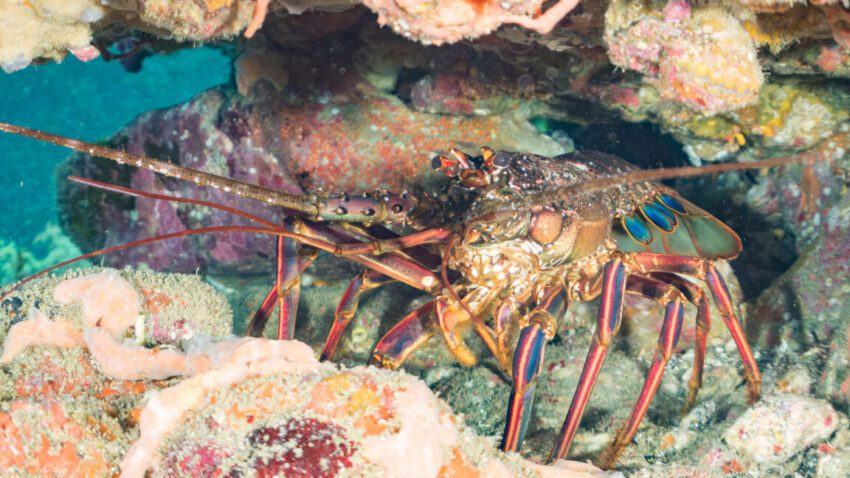
looking for friends lobsters may stumble into A recent study reveals that young lobsters may be lured into dangerous situations due to their instinctual behavior of seeking out peers, leading them into an ecological trap.
looking for friends lobsters may stumble into
Understanding Lobster Behavior
Lobsters are fascinating creatures, well-known for their large claws that serve as a formidable defense against predators. However, a distinct group within the lobster family, known as spiny lobsters, lacks these claws. Instead, they have developed alternative strategies for survival. Spiny lobsters often congregate in large groups, utilizing their collective presence to present a formidable front to potential threats. This behavior is not merely instinctual; it is a sophisticated survival tactic that has evolved over time.
Communication Through Chemical Signals
One of the remarkable aspects of spiny lobsters is their ability to communicate with one another through chemical signals. Research indicates that these lobsters can detect specific molecules released into the water by their peers. This chemical communication allows them to locate and join groups, enhancing their chances of survival. By forming larger aggregations, spiny lobsters can effectively ward off predators, as the collective display of spines and size can deter many would-be attackers.
The Ecological Trap Phenomenon
While the instinct to congregate offers advantages, a new study highlights a darker side to this behavior. The research suggests that the same chemical signals that help young lobsters find safety in numbers may inadvertently lead them into perilous situations. Specifically, younger lobsters are drawn to older, larger lobsters, which they perceive as safe companions. However, this attraction can be misleading, as the larger lobsters are often too big to be preyed upon by nearby predators, leaving the smaller lobsters vulnerable.
Implications of the Study
This phenomenon is termed an “ecological trap,” a situation where an organism’s natural behaviors lead it to make poor choices that ultimately jeopardize its survival. The study’s findings are particularly significant because ecological traps have traditionally been associated with human-induced changes to the environment, such as habitat destruction or pollution. The fact that this trap can occur in a natural setting underscores the complexity of ecological interactions and the potential consequences of evolutionary adaptations.
Research Context and Methodology
The study was conducted in the waters off the coast of Florida, an area rich in marine biodiversity. Researchers focused on specific geological features known as “solution holes.” These holes are formed by the dissolution of limestone rocks, a process that occurred during periods of lower sea levels, such as during glacial expansions. When sea levels receded, much of the region was exposed, allowing water to erode the limestone unevenly, creating a landscape of shallow pits and crevices.
These solution holes provide a unique habitat for various marine species, including spiny lobsters. The researchers utilized a combination of field observations and laboratory experiments to investigate the interactions between young and older lobsters within these environments. By analyzing the chemical signals emitted by lobsters and their responses to these signals, the study aimed to unravel the complexities of lobster social behavior.
Findings and Observations
The results of the study were striking. Young lobsters were observed to actively seek out and aggregate around larger lobsters, drawn by the chemical cues that indicated the presence of conspecifics. However, this behavior had dire consequences. The researchers documented instances where smaller lobsters, in their quest for safety, ventured into areas where they were exposed to predation by larger fish, such as groupers. These predatory fish are known to inhabit the same environments as spiny lobsters, creating a precarious balance in the ecosystem.
As the young lobsters congregated around their larger counterparts, they inadvertently placed themselves in harm’s way. The study concluded that the instinctual drive to seek out social connections could lead to increased mortality rates among juvenile lobsters, a finding that has significant implications for lobster populations and marine ecosystems.
Broader Ecological Implications
The implications of this research extend beyond the immediate survival of lobsters. Understanding the dynamics of ecological traps can provide valuable insights into the broader health of marine ecosystems. As species interact in complex ways, the consequences of individual behaviors can ripple through the food web, affecting not only lobsters but also their predators and the overall balance of marine life.
Stakeholder Reactions
The findings of this study have garnered attention from various stakeholders, including marine biologists, conservationists, and fisheries managers. Many experts have expressed concern about the potential impact of ecological traps on lobster populations, particularly in light of changing environmental conditions due to climate change and human activities.
Conservationists emphasize the need for a deeper understanding of the social behaviors of marine species, as these behaviors can influence population dynamics and resilience in the face of environmental stressors. Fisheries managers are particularly interested in the implications for sustainable fishing practices, as understanding the vulnerabilities of juvenile lobsters can inform regulations and conservation efforts.
Future Research Directions
This study opens the door for further research into the complex interactions between marine species and their environments. Future studies may focus on the long-term effects of ecological traps on lobster populations, as well as the potential for adaptive behaviors that could mitigate these risks. Additionally, researchers may explore how environmental changes, such as ocean warming and acidification, could further complicate the dynamics of social behavior among marine species.
Conclusion
The discovery that young lobsters may be drawn into ecological traps due to their instinctual behaviors raises important questions about the interplay between social dynamics and survival in marine ecosystems. As researchers continue to unravel the complexities of lobster behavior, the findings will undoubtedly contribute to a more comprehensive understanding of marine life and the challenges it faces in an ever-changing world.
Source: Original report
Was this helpful?
Last Modified: December 31, 2025 at 8:41 am
5 views